Calories in kumquat: 13 calories per 1 fruit without refuse (19 g)
- 0.4 g protein
- 3 g carbs
- 0.2 g fat
- 1.2 g fiber
Source: USDA FoodData Central · 71 kcal per 100 g
One raw kumquat (1 fruit without refuse, 19 g) has 13 calories in kumquat terms, and 100 g of raw kumquats has 71 calories. The fruit is mostly water and carbohydrate, with very little fat or protein, so most of its calories come from sugar and fiber.
What stands out is the fiber. At 6.5 g of dietary fiber per 100 g, kumquats carry more fiber than sugar is not the case here: they have 9.4 g of total sugars per 100 g, and the fiber sits alongside that sugar in the whole fruit. Vitamin C is the other notable number, at 44 mg per 100 g.
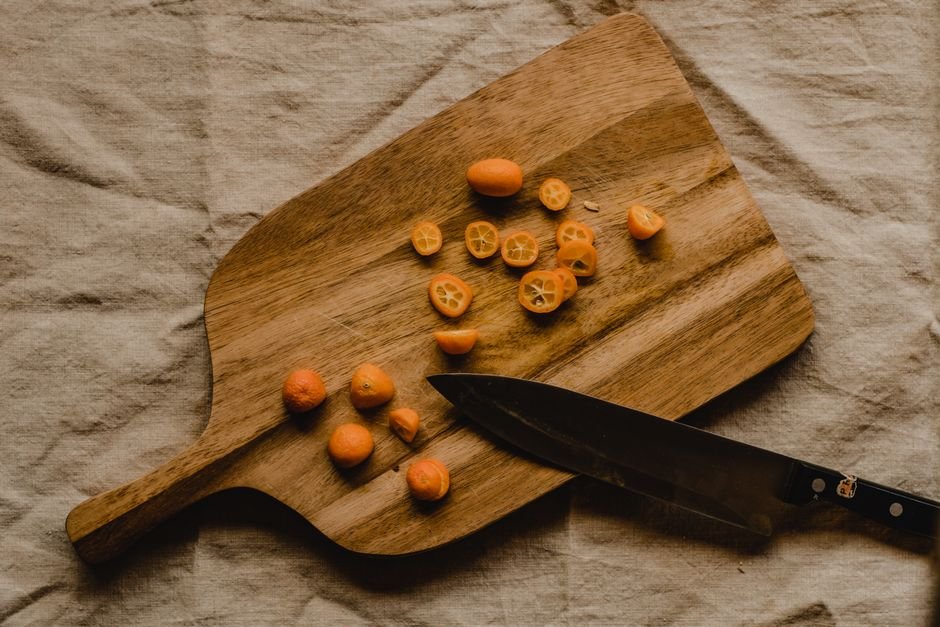
Calories in Kumquat by Serving Size
Calories in kumquat for each common serving, with protein, carbs and fat:
| Serving | Calories | Protein | Carbs | Fat |
|---|---|---|---|---|
| 1 fruit without refuse (19 g) | 13 | 0.4 g | 3 g | 0.2 g |
| 100 g | 71 | 1.9 g | 16 g | 0.9 g |
| 1 oz | 20 | 0.5 g | 4.5 g | 0.2 g |
Kumquat Nutrition Facts
Calories in kumquat and the full nutrition facts per 1 fruit without refuse (19 g):
| Nutrient | Amount | % Daily Value* |
|---|---|---|
| Calories | 13 kcal | |
| Protein | 0.4 g | 1% |
| Total Fat | 0.2 g | 0% |
| Saturated Fat | 0 g | 0% |
| Cholesterol | 0 mg | 0% |
| Sodium | 1.9 mg | 0% |
| Total Carbohydrate | 3 g | 1% |
| Dietary Fiber | 1.2 g | 4% |
| Total Sugars | 1.8 g | |
| Calcium | 12 mg | 1% |
| Iron | 0.2 mg | 1% |
| Potassium | 35 mg | 1% |
| Magnesium | 3.8 mg | 1% |
| Zinc | 0 mg | 0% |
| Phosphorus | 3.6 mg | 0% |
| Vitamin A (RAE) | 2.9 mcg | 0% |
| Vitamin C | 8.3 mg | 9% |
| Vitamin E | 0 mg | 0% |
| Thiamin (B1) | 0 mg | 1% |
| Riboflavin (B2) | 0 mg | 1% |
| Niacin (B3) | 0.1 mg | 1% |
| Vitamin B6 | 0 mg | 0% |
| Folate (DFE) | 3.2 mcg | 1% |
Where the calories come from: 81% carbs · 10% protein · 10% fat
*Percent Daily Values are based on a 2,000-calorie diet (FDA reference values). Source: USDA FoodData Central — Kumquats, raw (FDC ID 168154, SR Legacy, published 4/1/2019). Values for other servings are calculated from the per-100 g data.
How Many Kumquats Make a Serving?
The USDA record lists one fruit without refuse as 19 g, which works out to 13 calories, 3 g of carbohydrate, 0.4 g of protein and 0.2 g of fat. A 1 oz (28 g) portion comes to 20 calories. The 100 g figure of 71 calories is useful if you are weighing fruit on a kitchen scale, since kumquat size varies from one fruit to the next.
Because the fruit is small and usually eaten whole, skin included, the lead serving is the one most people will use. Keep in mind that the nutrition values in the data are for raw fruit as sold, not for candied or preserved kumquats, which are a different product with added sugar.
Why Are Kumquats Mostly Carbs?
In the USDA numbers, carbohydrates provide about 81% of the calories in kumquats, protein about 10%, and fat about 10%. Per 100 g, the fruit has 16 g of total carbohydrate, of which 9.4 g are sugars and 6.5 g are dietary fiber. That fiber share is high for a fruit, and it is a big reason the carbohydrate total is not all sugar.
Fat is very low at 0.9 g per 100 g, and saturated fat is 0.1 g.
What Vitamins and Minerals Do Kumquats Provide?
Vitamin C is the standout. The data lists 44 mg per 100 g, and one fruit (19 g) provides 8.3 mg, which is 9% of the Daily Value. Potassium is the largest mineral by amount, at 186 mg per 100 g, or 35 mg in one fruit.
Most other vitamins and minerals are present in small amounts. Calcium is 62 mg per 100 g, magnesium 20 mg, and folate 17 mcg per 100 g. Vitamin A is 15 mcg RAE per 100 g. Vitamin K, vitamin B12, and vitamin D show zero in the record.
Kumquats and Sodium
Kumquats are low in sodium. The record shows 10 mg per 100 g, and 1.9 mg in one fruit. For most people sodium is not a concern with this fruit, though anyone tracking sodium for medical reasons should check the label of any processed kumquat product, such as candied fruit, where the numbers will differ.
How Kumquat Compares
Per 100 g, next to similar foods in our database:
| Food (100 g) | Calories | Protein | Carbs | Fat |
|---|---|---|---|---|
| Kumquat | 71 | 1.9 g | 16 g | 0.9 g |
| Prune Juice | 71 | 0.6 g | 17 g | 0 g |
| Canned Peaches | 72 | 0.5 g | 18 g | 0.2 g |
| Mangosteen | 73 | 0.4 g | 18 g | 0.6 g |
| Grape Juice | 66 | 0.2 g | 16 g | 0.3 g |
| Soursop | 66 | 1 g | 17 g | 0.3 g |
Kumquat FAQ
Are kumquat skins edible, and does that change the nutrition?
Kumquats are typically eaten whole, skin included, and the USDA record used here is for the raw fruit as sold. The data does not separate the peel from the flesh, so the numbers reflect the whole fruit.
How many calories are in 1 oz of kumquats?
A 1 oz (28 g) serving of raw kumquats has 20 calories, with 4.5 g of carbohydrate, 0.5 g of protein, and 0.2 g of fat. The same weight of fruit contains about 1.5 g of dietary fiber by calculation from the per-100 g value.
Is the sugar in kumquats a concern?
Kumquats contain 9.4 g of total sugars per 100 g, and the lead serving has 1.8 g. The fruit also provides 6.5 g of fiber per 100 g, so the sugar comes packaged with a substantial amount of fiber.
The Bottom Line
One raw kumquat has 13 calories, and 100 g has 71, mostly from carbohydrate and fiber. It is a low-fat, low-sodium fruit that is a strong source of vitamin C for its size.