
Edamame—young soybeans harvested before maturity—have become a global favorite, from Japanese appetizers to Western health-food aisles. They’re nutrient-dense, affordable, and a staple for people managing weight, building muscle, or seeking plant-based protein sources. Whether served as a bar snack, side dish, or salad topper, edamame fits naturally into most eating patterns.
But understanding the calorie and nutritional content of edamame is essential to making it work for your goals. This guide answers the core question: How many calories are in edamame?—and breaks down the complete nutrition profile, preparation methods, and practical eating strategies.
Calories in Edamame (Quick Answer)
Here are the typical calorie counts for common serving sizes and preparations:
- 1 cup (155g) boiled edamame in pod: 188 calories
- 1 cup (160g) shelled edamame: 254 calories
- 100g boiled edamame: 121 calories
Calorie values vary slightly depending on whether edamame is boiled, steamed, or roasted, and whether you’re measuring with or without the pod. Salt content also increases when edamame is salted after cooking.

Full Nutrition Facts for 1 Cup (155g) Boiled Edamame in Pod
Edamame in the pod represents the most common restaurant and home serving. The following table shows the complete nutrition breakdown per cup:
| Nutrient | Amount | % Daily Value |
|---|---|---|
| Calories | 188 | — |
| Total Fat | 8.1g | 10% |
| Saturated Fat | 1.2g | 6% |
| Cholesterol | 0mg | 0% |
| Sodium | 6mg | <1% |
| Total Carbohydrate | 13.8g | 5% |
| Dietary Fiber | 5.2g | 19% |
| Total Sugars | 2.0g | — |
| Protein | 18.5g | 37% |
| Iron | 3.2mg | 18% |
| Calcium | 97mg | 7% |
| Magnesium | 63mg | 15% |
*Percent Daily Values are based on a 2,000-calorie diet. Source: USDA FoodData Central.
Key insight: Edamame is exceptionally protein-dense for a plant food, delivering 18.5g of complete protein per cup—nearly 37% of your daily value. This protein contains all nine essential amino acids, making edamame one of the few plant sources comparable to animal proteins. The fiber content (5.2g) also supports sustained fullness without spiking blood sugar.

Etekcity Food Scale
0.1g accuracy — the perfect companion for exact portions.
Boiled Edamame vs. Roasted Edamame
Boiled Edamame (in pod)
- Lower calorie density: 188 calories per cup with minimal added oil
- Retains more water and softer texture, reducing portion-control challenges
- Naturally low sodium unless salted; easy to control salt intake
Roasted Edamame
- Higher calorie concentration: roughly 200–240 calories per cup due to added or absorbed oil during roasting
- Crunchier, denser texture that may promote overeating if not portion-controlled
- Often pre-salted or seasoned; requires label checking to monitor sodium intake
Practical takeaway: Boiled edamame in the pod is the lower-calorie, lower-sodium option and encourages slower eating (you must shell as you eat). Roasted edamame works well as an occasional snack if portioned into small bowls rather than eaten straight from a large bag. Choose boiled for weight-loss goals; roasted is fine for maintenance or muscle-building phases where extra calories matter less.
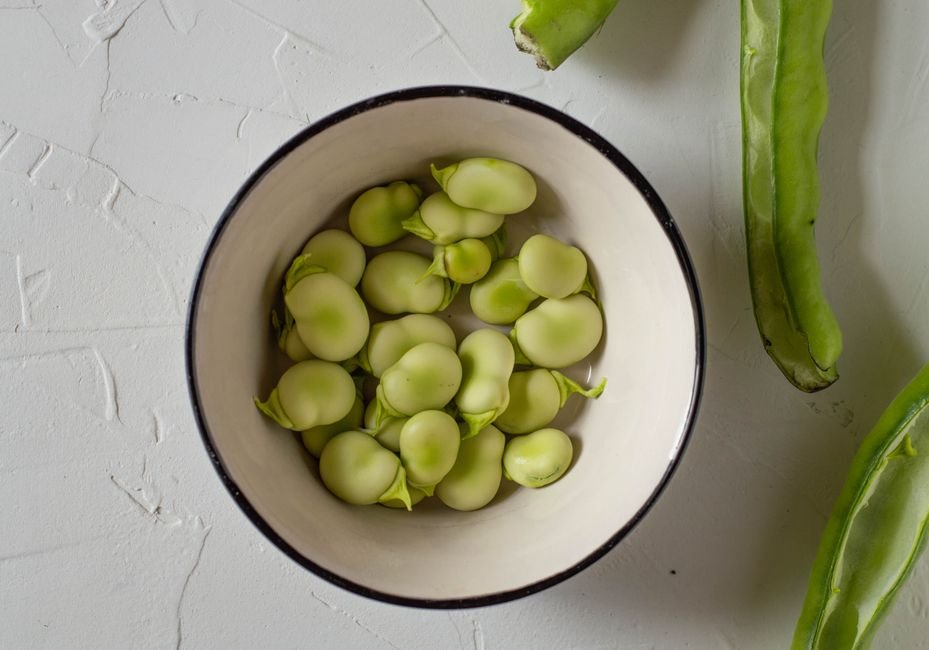
Is Edamame Good for Weight Loss?
Yes. Edamame is one of the better plant-based foods for weight loss because it combines moderate calories with high protein and fiber—a trio that increases satiety and reduces overall calorie intake. The 18.5g of protein per cup activates muscle protein synthesis and keeps you fuller longer than carb-focused snacks. The 5.2g of fiber adds bulk without calories, and the low caloric density (boiled) means you can eat a substantial portion without exceeding 200 calories.
Tips to Eat Edamame Without Gaining Weight:
- Portion-control with boiled pods. A 1-cup serving (155g) fits comfortably into a 200-calorie snack allowance. Leave the pods on the plate visibly to track how much you’ve eaten.
- Skip or limit added salt and oil. Roasted edamame coated in oil or salt can add 50–100 hidden calories. If you buy pre-roasted, rinse lightly or portion carefully.
- Pair with protein. Combine edamame with a small portion of Greek yogurt, nuts, or fish to round out a balanced snack without doubling calories.
- Eat mindfully before the main meal. Enjoy edamame as an appetizer 15–20 minutes before eating; the volume and protein will reduce how much you eat at lunch or dinner.
When consumed as part of a structured meal plan—not endless snacking—edamame actively supports weight loss through satiety and nutrient density.
How Portion Size Affects Calories
Edamame calories scale linearly with weight. A small handful differs dramatically from a restaurant bowl, and understanding typical servings helps prevent accidental overconsumption. Most home or bar servings range from 1 to 2 cups; restaurants may serve 1.5–2.5 cups per order.
Example:
- Small portion (1 cup / 155g boiled in pod): 188 calories, 18.5g protein—suitable for a snack or appetizer.
- Large portion (2 cups / 310g boiled in pod): 376 calories, 37g protein—better as a standalone light meal or side dish for a vegetarian dinner.
When ordering edamame at a restaurant, a typical serving equals 1.5–1.75 cups, putting you at 280–330 calories. If you’re tracking calories, ask for a half portion or split an order with a companion.
Best Way to Measure Edamame Accurately
Measuring edamame by cup (in pod) is the easiest home method, but weight in grams is most accurate for tracking. The challenge: much of the weight is the inedible pod. A 1-cup serving with pod weighs about 155g total but contains roughly 95g of actual bean; accounting for this distinction matters when logging nutrition apps.
Options:
- Kitchen scale (grams). Weigh boiled edamame in the pod before eating. Use 155g as your standard “1 cup” baseline. This is the most precise method.
- Measuring cup. Fill a standard 1-cup measure (240ml) with boiled edamame in pod, pressed lightly but not crushed. This gives consistent, close estimates without a scale.
- Visual comparison. A tennis ball is roughly 1 cup. Use this as a mental reference when ordering at restaurants or scooping from a shared bowl.
Calculate Your Exact Calorie Intake
If edamame is a regular part of your diet and you’re managing weight or training goals, knowing its exact contribution to your daily calorie balance matters. Variations in preparation, portion size, and added fats or salt all shift the totals.
Use a free, AI-powered nutrients calculator to log edamame and see how it fits into your full day’s nutrition. Simply search for “edamame, boiled” or “edamame, roasted,” select your serving size, and the tool instantly calculates calories, protein, fiber, and micronutrient totals. This is especially useful if you combine edamame with other foods to build balanced meals.
- Track real-time macronutrients (protein, carbs, fat) and stay aligned with your daily targets.
- Compare boiled vs. roasted vs. salted options side-by-side to find the lowest-calorie version you enjoy.
- Build complete meal plans featuring edamame and see the full nutritional impact across breakfast, lunch, and dinner.
A reliable calculator takes the guesswork out of portion logging and helps you make informed decisions about when and how much edamame to eat.
Common Mistakes When Eating Edamame
Edamame is nutritious, but a few common habits undermine its health benefits. Here are the mistakes to avoid:
❌ Eating roasted edamame straight from the bag without portioning. A large bag of roasted edamame (often 4+ cups) is easy to mindlessly consume in one sitting, racking up 800+ calories before you notice. Always pour a measured portion into a small bowl and put the bag away.
❌ Underestimating sodium intake from salted versions. Pre-salted edamame (boiled or roasted) can contain 300–600mg sodium per serving, approaching 25% of your daily limit. If you have hypertension or track sodium, rinse salted edamame or buy unsalted and season yourself.
❌ Forgetting to count the calories when ordering at restaurants. Many people treat edamame as a “free” appetizer, not realizing a typical restaurant order is 280–330 calories. If you’re eating edamame plus a main course, entrée, and dessert, those calories add up fast.
❌ Pairing edamame with high-calorie dips or sauces. Edamame on its own is lean, but mayo-based dips, sesame-oil drizzles, or spicy-mayo condiments can add 100–200 calories. Enjoy edamame plain or with a light squeeze of lemon and sea salt.
By sidestepping these pitfalls, you keep edamame a genuinely healthy, calorie-controlled addition to your diet.
FAQ
How many calories are in 100g of edamame?
100g of boiled edamame (roughly 2/3 cup in pod) contains 121 calories and 15.3g protein. This is a common serving size for nutrition labeling outside the US and a useful baseline for precise tracking.
Is edamame fattening?
No, edamame is not inherently fattening. At 188 calories and 18.5g protein per cup, it’s among the least calorie-dense legumes and plant proteins. The high fiber and protein promote satiety, making it easier to eat fewer total calories. Only roasted, oil-heavy versions or unlimited portions become problematic for weight gain.
Does edamame have complete protein?
Yes. Edamame contains all nine essential amino acids in meaningful quantities, making it a complete protein source rare among plant foods. A single cup delivers roughly 18.5g, comparable to a small chicken breast, which is why edamame is a favorite for vegetarians and vegans.
Can I eat edamame every day?
Yes, edamame is safe to eat daily as part of a varied diet. However, soybeans (including edamame) contain goitrogens, compounds that can interfere with thyroid function in very large quantities. Moderate daily intake (1–2 cups) poses no risk for most people, especially if you also consume adequate iodine from other sources. Those with thyroid conditions should consult a healthcare provider.
Conclusion
Edamame is a calorie-efficient, protein-packed legume that fits well into weight-loss plans, muscle-building routines, and everyday healthy eating. A single cup (155g boiled in pod) delivers 188 calories, 18.5g of complete protein, 5.2g of fiber, and essential minerals—all from a plant source with zero cholesterol. Whether you prefer boiled, roasted, or shelled, edamame’s satiety profile and nutrient density make it one of the smarter legume choices for managing both calories and long-term health.
The key to maximizing edamame’s benefits is portion control and mindful preparation. Boiled edamame in the pod is your lowest-calorie option; roasted versions require attention to oil and salt. Track your intake with a **reliable nutrients calculator** to see exactly where edamame fits into your daily goals, and enjoy it as a snack, appetizer, or meal component with confidence.
