
Figs are one of the oldest cultivated fruits in the world, with a rich history across Mediterranean, Middle Eastern, and Asian cuisines. They’re a staple in diets ranging from traditional Mediterranean eating to modern health-conscious meal plans, enjoyed fresh in summer or dried year-round. Whether you’re interested in weight loss, blood sugar management, or simply adding a nutrient-dense food to your diet, figs offer a unique nutritional profile that makes them worth understanding.
But how many calories are in a fig, and what does a typical serving actually look like? This article breaks down the exact nutrition facts for fresh and dried figs, compares portions, and answers common questions about whether figs fit into your health goals.
Calories in Figs (Quick Answer)
Here’s what a standard serving of figs contains:
- One fresh fig (medium, about 50g): 37 calories
- One dried fig (about 20g): 56 calories
- 1 cup fresh figs (about 240g): 178 calories
Calorie counts vary depending on ripeness, size, and whether figs are fresh or dried. Dried figs are more calorie-dense than fresh ones because water is removed, concentrating sugars and nutrients.
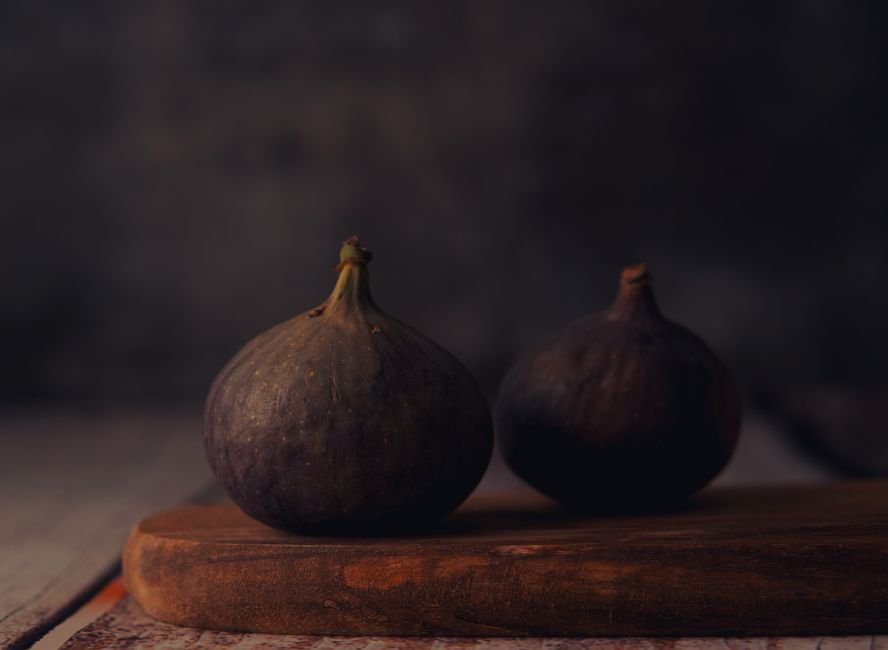
Full Nutrition Facts for One Medium Fresh Fig (50g)
A single medium fresh fig provides a surprisingly complete nutritional snapshot. Here’s the complete breakdown:
| Nutrient | Amount | % Daily Value |
|---|---|---|
| Calories | 37 | — |
| Total Fat | 0.2g | <1% |
| Saturated Fat | 0.1g | <1% |
| Cholesterol | 0mg | 0% |
| Sodium | 1mg | <1% |
| Total Carbohydrate | 9.5g | 3% |
| Dietary Fiber | 1.5g | 6% |
| Total Sugars | 7.7g | — |
| Protein | 0.4g | <1% |
| Potassium | 148mg | 4% |
| Vitamin K | 4.7mcg | 6% |
| Magnesium | 8mg | 2% |
*Percent Daily Values are based on a 2,000-calorie diet. Source: USDA FoodData Central.
Key insight: Fresh figs are nearly fat-free and naturally sodium-free, making them ideal for heart-healthy eating. Their fiber-to-calorie ratio is exceptional for a fruit—one fig delivers meaningful digestive support without excessive sugar load, especially when eaten whole with the skin where most fiber concentrates.

Etekcity Food Scale
0.1g accuracy — the perfect companion for exact portions.
Fresh Figs vs. Dried Figs: Which Should You Choose?
Fresh Figs
- Lower calorie density (37 cal per medium fig) because of high water content
- More delicate flavor profile; higher in vitamin C and polyphenol antioxidants
- Shorter shelf life; must be eaten within a few days of purchase
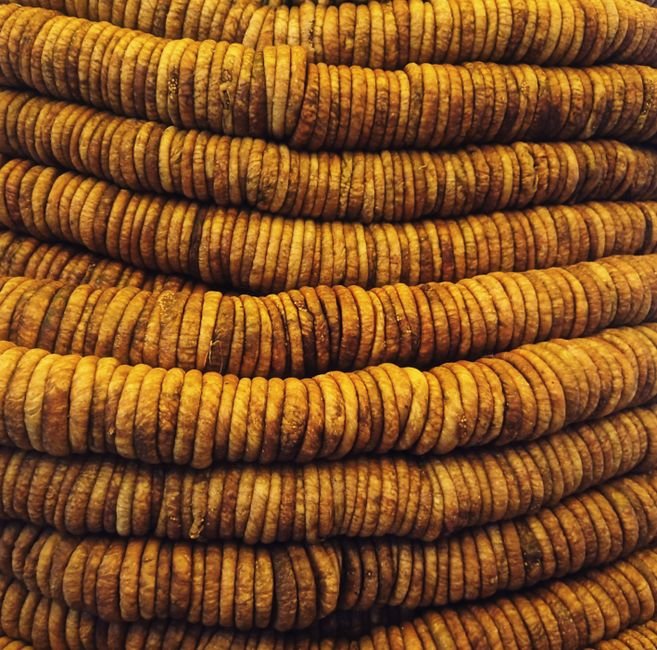
Dried Figs
- Concentrated calories (56 cal per fig) and natural sugars due to dehydration
- Longer storage life; convenient for year-round eating and portable snacking
- Richer mineral content per ounce, especially iron and calcium, because nutrients are concentrated
Practical takeaway: Choose fresh figs when they’re in season (summer through early fall) for maximum flavor and lowest calorie count per serving. Use dried figs as a shelf-stable sweetener alternative or energy boost when fresh ones aren’t available—just portion them carefully because their concentrated sugars make it easy to overconsume.
Is Fig Good for Weight Loss?
Figs can be part of a weight-loss diet if you eat them mindfully. At 37 calories per fresh fig, they’re a low-calorie fruit option that delivers fiber and natural sweetness without refined sugars. Their fiber content promotes satiety, helping prevent overeating at subsequent meals. However, dried figs are calorie-dense and easy to overeat—three dried figs contain nearly 170 calories, similar to a small meal. Fresh figs are the better choice for weight loss because their water content fills you up on fewer calories.
Tips to Eat Figs Without Gaining Weight:
- Limit dried figs to 1-2 per day; eat them with a handful of nuts or cheese to slow sugar absorption
- Enjoy fresh figs in their peak season when you can eat several guilt-free; freeze or preserve excess if available
- Pair figs with protein (Greek yogurt, cottage cheese, almonds) to balance blood sugar and improve satiety
- Avoid fig-based products like jam or pastries where added sugars and oil multiply the calorie count
When eaten whole and unprocessed, figs are a genuinely weight-loss-friendly fruit choice. The key is knowing whether you’re eating fresh or dried, and counting accordingly.
How Portion Size Affects Calories
Portion size dramatically changes the calorie impact of figs, particularly because dried figs are so small and easy to eat in large quantities. A single fresh fig is filling and satisfying; a handful of dried figs can be consumed mindlessly while snacking. Understanding standard portions helps prevent unintended calorie creep.
Example:
- Small portion (2 fresh figs): 74 calories, 3g fiber, lasting satisfaction
- Large portion (1 cup fresh figs / ~8 medium figs): 296 calories, 12g fiber, but requires deliberate intention to eat
For dried figs, the difference is even starker: a single dried fig is easy to ignore, but five dried figs equal 280 calories—roughly 15% of a 2,000-calorie diet—in just a handful.
Best Way to Measure Figs Accurately
Figs vary in size, from plum-sized to golf-ball-sized, making visual estimation unreliable for precise nutrition tracking. The most accurate approach depends on your needs and the form you’re eating. Using a food scale removes all guesswork and is essential if you’re tracking macros for diabetes management, athletic training, or weight loss.
Options:
- Food scale (most accurate): Weigh fresh figs individually or dried figs by the gram. One medium fresh fig weighs 40-60g; one dried fig averages 15-25g depending on variety
- Count by pieces: Count whole figs rather than estimating weight. Three medium fresh figs is a reliable standard serving (about 150g)
- Cup measurement: One cup of fresh fig halves or quarters equals roughly 240g; this is practical for recipes or bulk snacking
Calculate Your Exact Calorie Intake
If you eat figs regularly—or combine them with nuts, yogurt, cheese, or other toppings—calculating total calories becomes essential for accurate nutrition tracking. A single fig is simple math, but a fig-based snack plate gets complicated fast.
Our free AI nutrients calculator instantly breaks down calories, carbs, protein, fiber, and micronutrients for any food or meal combination. Simply enter “figs” or describe your exact portion and toppings, and get a complete nutrition profile in seconds—no guessing, no rounding.
- Instant macros and micros for fresh, dried, or fig-based dishes
- Compare nutrition between different fig varieties or portion sizes side-by-side
- Track trends over time and align your fig consumption with your personal health goals
Common Mistakes When Eating Figs
Despite their reputation as a healthy fruit, figs are easy to overconsume—especially in dried form. Here are the most common pitfalls:
❌ Treating dried figs as a “free” snack because they’re whole fruit. A typical serving is 2-3 dried figs, not a handful. One person’s handful can easily be 150+ calories of natural sugars.
❌ Eating figs without checking freshness. Spoiled figs develop mold quickly and are unsafe to eat; always inspect for soft spots or mold before consuming, especially if figs have been refrigerated for more than 2-3 days.
❌ Forgetting to count fresh figs because they seem “low calorie.” One fig is indeed low-calorie, but eating five or six fresh figs (which is easy during peak season) equals 185+ calories plus 10g sugar—comparable to a dessert.
❌ Assuming all fig products are created equal. Fig jam, fig bars, fig newtons, and honey-sweetened dried figs contain added sugars that double or triple the calorie and sugar content of plain figs. Always read labels.
Awareness of these patterns prevents unintended overconsumption and keeps figs a genuinely healthy part of your diet.
FAQ
How many calories are in 100g of figs?
One hundred grams of fresh figs contains approximately 74 calories. This is roughly two medium fresh figs. Dried figs at 100g contain about 280 calories due to their concentrated sugar and lower water content.
Is fig fattening?
Fresh figs are not fattening when eaten in reasonable portions (1-4 per sitting). They’re 96% water with minimal fat and plenty of fiber. Dried figs, however, are calorie-dense and easy to overeat, so they require portion control. The difference between fresh and dried is crucial: fresh figs are a light, healthy snack; dried figs should be eaten deliberately and sparingly.
Can you eat figs on a keto or low-carb diet?
No. One medium fresh fig contains 9.5g carbohydrates, and dried figs are even higher in carbs relative to calories. For ketogenic or strict low-carb diets, figs are too carb-heavy. One fresh fig alone uses up carb allowance quickly on a standard keto plan (20-50g carbs/day).
Are figs good for constipation and digestion?
Yes. Figs are one of the highest-fiber fruits available—one medium fresh fig delivers 1.5g dietary fiber, and dried figs contain even more in concentrated form (1.5g per dried fig). Both forms act as natural laxatives, helping promote regular bowel movements. They’re a traditional remedy for constipation across Mediterranean and Middle Eastern cultures, supported by modern nutrition science.
Conclusion
Figs are a nutrient-dense, fiber-rich fruit that fits into most healthy eating patterns when portioned correctly. Fresh figs are the superior choice for weight loss or everyday eating—low in calories, naturally sweet, and packed with potassium, fiber, and polyphenol antioxidants. Dried figs are calorie-concentrated and require portion awareness but offer year-round convenience and mineral density. Neither form contains added sugars when eaten plain, making them genuinely superior to processed fruit snacks or candy.
The key to getting maximum benefit from figs is understanding the difference between fresh and dried, measuring your portions accurately, and pairing them with protein when possible to optimize satiety and blood sugar control. Whether you’re tracking for weight loss, diabetes management, or simply aiming to eat more whole foods, figs deserve a place in your diet. Use a reliable nutrients calculator to track figs as part of your complete daily intake and ensure they align with your personal health goals.
