
Flax seeds have become a staple in health-conscious diets worldwide, celebrated for their omega-3 fatty acids, fiber content, and versatility. They’re used in smoothies, baked goods, salads, and breakfast bowls by vegans, athletes, and anyone seeking to boost their nutritional intake. Whether you’re managing weight, building muscle, or controlling blood sugar levels, understanding the caloric and nutritional profile of flax seeds is essential.
But how many calories are actually in flax seeds, and what nutritional value do they provide? This article breaks down the complete nutrition facts, helps you understand portion control, and shows you how to incorporate flax seeds into your diet without overdoing the calories.
Calories in Flax Seeds (Quick Answer)
Here’s a quick overview of calorie content for common serving sizes and preparations:
- 1 tablespoon (10g) of whole flax seeds: 55 calories
- 1 ounce (28g) of whole flax seeds: 150 calories
- 1 tablespoon (10g) of ground flax seeds: 55 calories
Calorie counts remain similar between whole and ground flax seeds at the same weight, since grinding doesn’t change the seed’s nutritional density—only its digestibility and ease of use. Brand variation and storage conditions may cause minor differences in nutrient values.
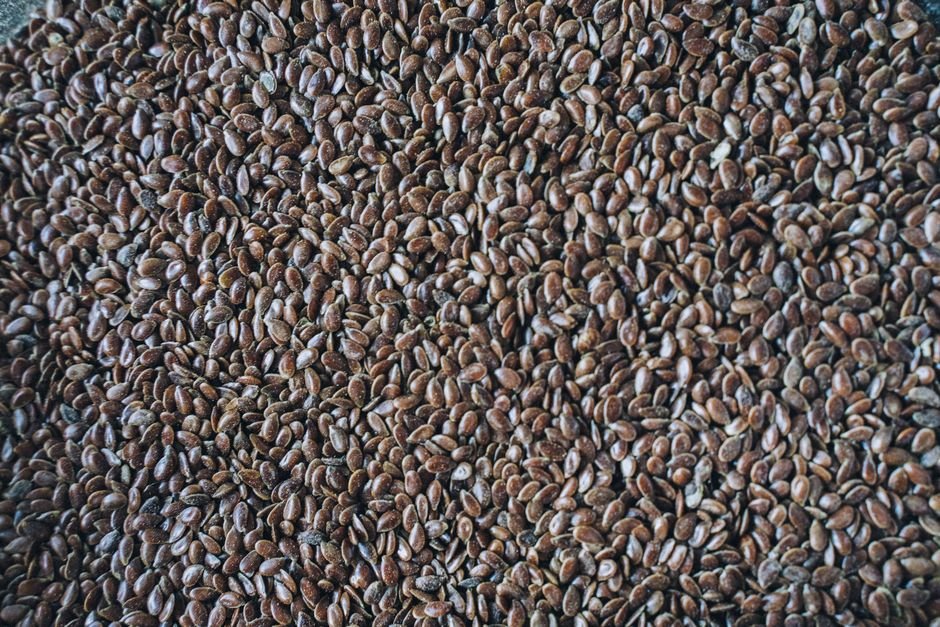
Full Nutrition Facts for 1 Tablespoon (10g) of Flax Seeds
A single tablespoon of whole flax seeds delivers a concentrated dose of plant-based omega-3s, fiber, and protein. Here’s the complete nutritional breakdown:
| Nutrient | Amount | % Daily Value |
|---|---|---|
| Calories | 55 | — |
| Total Fat | 4.3g | 6% |
| Saturated Fat | 0.4g | 2% |
| Cholesterol | 0mg | 0% |
| Sodium | 2mg | <1% |
| Total Carbohydrate | 3g | 1% |
| Dietary Fiber | 1.9g | 7% |
| Total Sugars | 0.2g | — |
| Protein | 1.9g | 4% |
| Alpha-linolenic acid (ALA) | 2.3g | — |
| Manganese | 0.2mg | 11% |
| Magnesium | 43mg | 10% |
*Percent Daily Values are based on a 2,000-calorie diet. Source: USDA FoodData Central.
Key insight: Flax seeds are exceptional for their ALA omega-3 content—a single tablespoon provides 2.3g of this essential fatty acid, which accounts for the majority of the seed’s 4.3g total fat. Despite being calorie-dense, flax seeds are low in saturated fat and contain zero cholesterol, making them a heart-healthy fat source. The 1.9g of fiber per tablespoon also supports digestive health and satiety.

Etekcity Food Scale
0.1g accuracy — the perfect companion for exact portions.
Whole Flax Seeds vs. Ground Flax Seeds: Which Should You Use?
Whole Flax Seeds
- Pass through your digestive system largely intact if chewed poorly, limiting nutrient absorption
- Have a longer shelf life and remain stable at room temperature for months
- Provide satisfying crunch in salads, granola, and yogurt parfaits
Ground Flax Seeds (Flax Meal)
- Are readily digestible, allowing your body to absorb omega-3s, fiber, and minerals more efficiently
- Have a shorter shelf life and should be stored in the fridge or freezer to prevent oxidation of fragile oils
- Mix easily into smoothies, oatmeal, baked goods, and sauces without noticeable texture
Practical takeaway: For maximum nutritional benefit, grind whole flax seeds yourself or buy pre-ground seeds and store them in the freezer. If you prefer whole seeds, chew thoroughly or add them to blended smoothies. Either preparation delivers the same calories and nutrients at the same weight—the difference lies in digestibility and convenience.
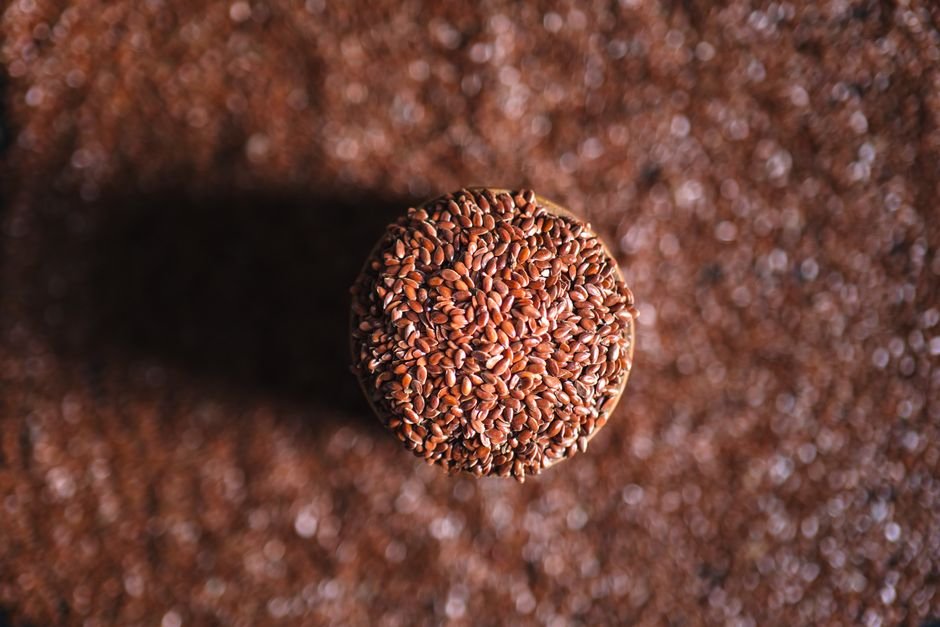
Is Flax Seeds Good for Weight Loss?
Flax seeds can support weight loss when eaten in appropriate portions. The combination of protein, fiber, and healthy fats promotes satiety, reducing overall calorie intake throughout the day. However, at 55 calories per tablespoon, it’s easy to overconsume. A serving of 1-2 tablespoons daily is ideal for weight management; beyond that, the calories can accumulate quickly without providing proportional hunger control.
Tips to Eat Flax Seeds Without Gaining Weight:
- Measure your portions: limit intake to 1–2 tablespoons daily (55–110 calories)
- Pair flax seeds with water or non-caloric beverages to maximize satiety from the fiber content
- Add ground flax to meals you’re already eating (oatmeal, salads, smoothies) rather than consuming them as an extra snack
- Track your total daily fat and calorie intake, since flax seeds contribute significantly to daily fat targets
When integrated into a balanced diet as part of your measured portions, flax seeds won’t derail weight loss efforts. Their nutrient density means small amounts deliver substantial benefits without excess calories.
How Portion Size Affects Calories
Portion size has a dramatic impact on total calorie intake with flax seeds. Because they’re nutrient-dense, even small increases in serving size lead to notable calorie jumps. Understanding portion equivalents helps you control intake and track macronutrients accurately.
Example:
- Small portion (1 tablespoon / 10g): 55 calories, 2.3g ALA omega-3s, 1.9g protein
- Large portion (3 tablespoons / 30g): 165 calories, 6.9g ALA omega-3s, 5.7g protein
Doubling or tripling your serving size delivers more omega-3s and fiber, but also triples calorie intake—a significant consideration if you’re calorie-conscious.
Best Way to Measure Flax Seeds Accurately
Precise measurement ensures you’re eating consistent portions and accurately tracking calories. A kitchen scale is the gold standard, but volume measurements work reasonably well if you’re consistent. Whole seeds are less dense than ground seeds, so a tablespoon of whole seeds (10g) is not interchangeable with a tablespoon of ground flax (also 10g by weight, but slightly different by volume).
Options:
- Digital kitchen scale: Measure 10g for one tablespoon—the most accurate method for both whole and ground seeds
- Measuring spoon: Use a standard 15ml tablespoon for consistent portions, keeping in mind this equals approximately 10g of whole seeds
- Pre-portioned packets: Some brands sell single-serving packets pre-measured at 1 tablespoon or 1 ounce, removing guesswork
Calculate Your Exact Calorie Intake
If you’re incorporating flax seeds into a comprehensive nutrition plan, relying on rough estimates isn’t enough. You need to know exactly how many calories, grams of fat, and milligrams of omega-3s you’re consuming each day—especially if you’re mixing flax with other seeds, nuts, and high-fat foods.
Our free AI-powered nutrients calculator lets you input flax seeds by weight or standard serving size and instantly see the complete macro and micronutrient breakdown. Simply enter your portion, and the tool calculates calories, fat, fiber, protein, and key minerals in seconds. Try the calculator here.
- Get instant calorie and macro data without manual math or guesswork
- Track micronutrients like manganese and magnesium often overlooked in basic nutrition labels
- Build meal plans by combining flax seeds with other foods to hit your daily targets
Common Mistakes When Eating Flax Seeds
Even nutritious foods can undermine your goals when consumed incorrectly. Here are the most common errors people make with flax seeds:
❌ Eating whole flax seeds without chewing them thoroughly, which passes them through your digestive system intact, wasting the omega-3s and fiber you’re trying to consume.
❌ Consuming unlimited amounts because flax is “healthy,” forgetting that each tablespoon adds 55 calories—3-4 tablespoons daily can easily add 200+ extra calories to your diet.
❌ Storing ground flax at room temperature or in direct sunlight, allowing the delicate omega-3 oils to oxidize and degrade, reducing nutritional potency over weeks.
❌ Replacing other protein sources with flax seeds, which only provide 1.9g protein per tablespoon and shouldn’t be your primary protein source for muscle building.
Avoid these pitfalls, and flax seeds become a genuinely effective nutritional addition rather than an overlooked mistake.
FAQ
How many calories are in 100g of flax seeds?
A 100g serving of flax seeds contains approximately 534 calories. This amount represents about 10 tablespoons, making it useful for tracking larger quantities if you purchase flax seeds in bulk.
Is flax seeds fattening?
Flax seeds are not inherently fattening—they’re calorie-dense but nutrient-dense. At reasonable portions (1–2 tablespoons daily), they support weight management through fiber and satiety. Overconsumption without accounting for calories can contribute to weight gain, like any calorie-surplus scenario.
Should I soak flax seeds before eating them?
Soaking flax seeds for 30 minutes creates a gel-like texture due to their soluble fiber and makes them easier to digest. This method is optional but helpful if you experience digestive discomfort from whole seeds. Soaked seeds have the same calorie content as dry seeds.
How do flax seeds compare to chia seeds nutritionally?
Flax seeds provide more ALA omega-3s (2.3g per tablespoon vs. chia’s 1.5g), while chia seeds offer slightly more fiber and calcium. Both are nutrient powerhouses; choose based on taste preference and which micronutrient profile better suits your goals.
Conclusion
Flax seeds are a nutritional powerhouse—delivering plant-based omega-3s, fiber, and minerals in a small, affordable package. At 55 calories per tablespoon, they’re calorie-dense but nutrient-dense, making them suitable for weight loss, heart health, and general wellness when portions are controlled. Ground flax is more digestible than whole flax, and consistent measurement matters for accurate calorie tracking.
Incorporate flax seeds into your diet mindfully by measuring portions, storing them properly, and pairing them with other whole foods. To ensure your complete nutritional intake aligns with your health goals, use a reliable nutrients calculator to track exactly what you’re consuming and adjust portions accordingly.
