Calories in mahi mahi fillet: 84 calories per 100 g (100 g)
- 20 g protein
- 0.3 g carbs
- 0.4 g fat
Source: USDA FoodData Central · 84 kcal per 100 g
A 100 g serving of mahi mahi fillet has 84 calories, so you get 84 calories in mahi mahi fillet per 100 g, most of them from protein. That 100 g also provides 20 g of protein, 0.4 g of total fat, and 0.3 g of carbohydrate.
What stands out is how little of the calorie count comes from fat or carbs. The USDA record puts 95% of the calories from protein, 4% from fat, and 1% from carbohydrate, which makes this one of the leanest, most protein-dense foods in its category of seafood.
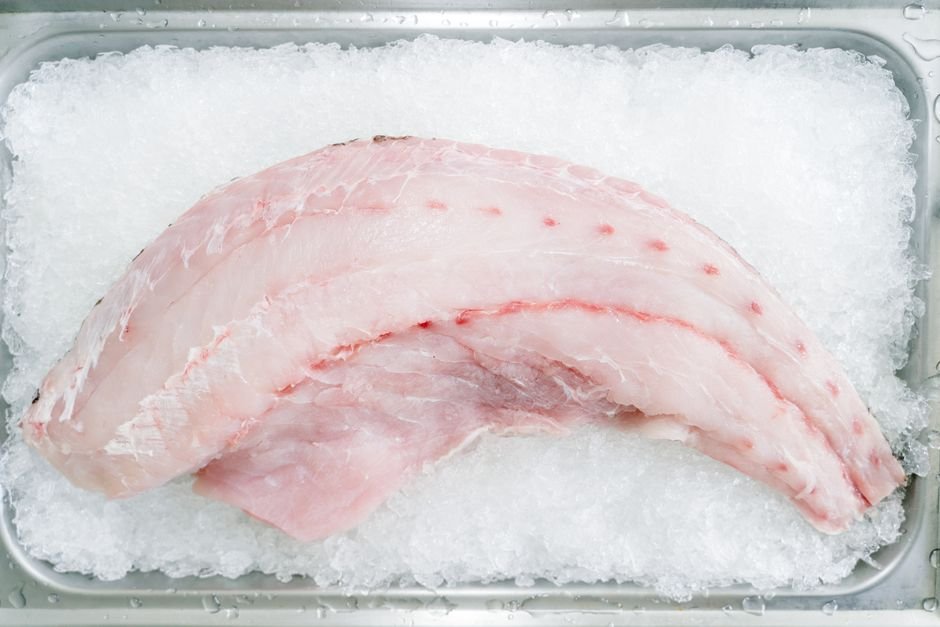
Calories in Mahi Mahi Fillet by Serving Size
Calories in mahi mahi fillet for each common serving, with protein, carbs and fat:
| Serving | Calories | Protein | Carbs | Fat |
|---|---|---|---|---|
| 100 g | 84 | 20 g | 0.3 g | 0.4 g |
| 1 oz | 24 | 5.6 g | 0.1 g | 0.1 g |
Mahi Mahi Fillet Nutrition Facts
Calories in mahi mahi fillet and the full nutrition facts per 100 g (100 g):
| Nutrient | Amount | % Daily Value* |
|---|---|---|
| Calories | 84 kcal | |
| Protein | 20 g | 40% |
| Total Fat | 0.4 g | 0% |
| Saturated Fat | 0.1 g | 1% |
| Sodium | 52 mg | 2% |
| Total Carbohydrate | 0.3 g | 0% |
| Calcium | 6 mg | 0% |
| Iron | 0.1 mg | 0% |
| Potassium | 408 mg | 9% |
| Magnesium | 28 mg | 7% |
| Zinc | 0.3 mg | 3% |
| Phosphorus | 224 mg | 18% |
| Selenium | 50 mcg | 91% |
| Vitamin B12 | 1.3 mcg | 56% |
Where the calories come from: 95% protein · 4% fat · 1% carbs
*Percent Daily Values are based on a 2,000-calorie diet (FDA reference values). Source: USDA FoodData Central — Mahi mahi, frozen, wild caught (FDC ID 2747658, Foundation, published 12/18/2025). Values for other servings are calculated from the per-100 g data.
What Else Does Mahi Mahi Fillet Provide?
Beyond protein, the standout micronutrient in this record is selenium, at 50 mcg per 100 g, which is 91% of the Daily Value. Vitamin B12 is also high at 1.3 mcg, or 56% of the Daily Value, per 100 g. Phosphorus (224 mg, 18% DV) and potassium (408 mg, 9% DV) are the other notable minerals.
Sodium is low at 52 mg per 100 g (2% DV), so the fish itself adds very little salt before you season it. Keep in mind that the sodium count reflects the fish only; brines, marinades, and seasoned coatings can change that number a lot.
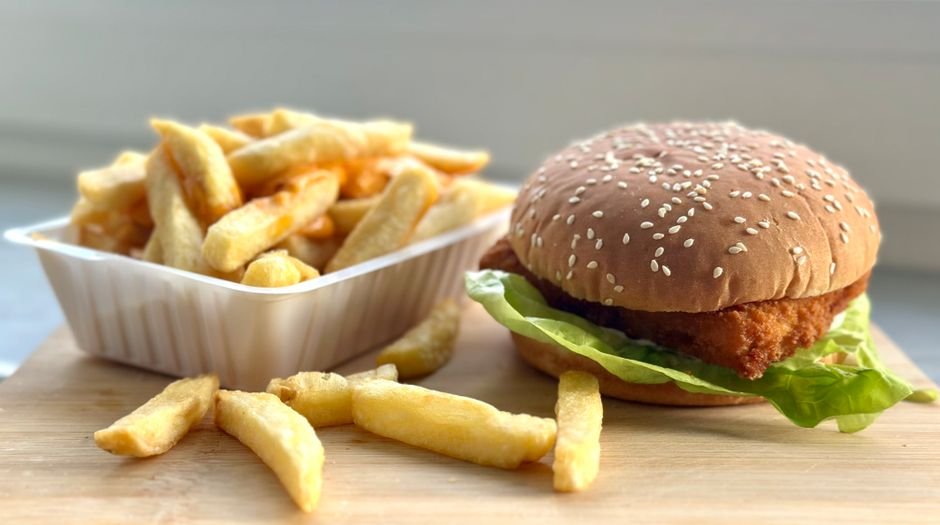
Does Cooking Change the Calories in Mahi Mahi?
The numbers on this page describe the USDA record for frozen, wild-caught mahi mahi, and they should not be read as applying to fish cooked in a different way. Cooking methods that add oil, butter, or breading will add calories and fat that are not included in the 84 kcal per 100 g figure.
- Plain fillet, as described in the record: 84 kcal per 100 g.
- Oil, butter, or a crispy coating: expect the total to rise, and check the label or a recipe calculator for those added ingredients.
Because the fish is so lean, a little added fat has an outsized effect on the total. A teaspoon of oil in a pan is a small addition, but it can be a large share of the calories in the finished dish.
Frozen Mahi Mahi and Thawing Tips
This record is for frozen fillet, so the numbers reflect the fish as sold frozen. Thawing in the refrigerator is the usual way to keep the texture firm, and it does not change the nutrient values listed here. Pat the fillet dry before cooking so it browns rather than steams.
Water makes up 78 g of every 100 g, so a fillet loses weight as it cooks. Calorie and protein values per 100 g apply to the raw, as-recorded fish, so weigh the fillet before cooking if you want the numbers to match exactly.
Who Should Pay Attention to Mahi Mahi?
For most people, the low sodium and low fat in this fillet are useful features. Adults who are watching their sodium intake will find this fish a low-sodium protein source when it is cooked plainly. People who are pregnant or planning pregnancy often ask about fish choices; general seafood guidance from the U.S. Food and Drug Administration covers which types to limit, and mahi mahi is generally listed among the fish people can eat in moderation. Check current guidance with a clinician if this applies to you.
How Mahi Mahi Fillet Compares
Per 100 g, next to similar foods in our database:
| Food (100 g) | Calories | Protein | Carbs | Fat |
|---|---|---|---|---|
| Mahi Mahi Fillet | 84 | 20 g | 0.3 g | 0.4 g |
| Pacific Oyster | 81 | 9.5 g | 5 g | 2.3 g |
| Crayfish | 77 | 16 g | 0 g | 1 g |
| Crab Meat | 95 | 7.6 g | 15 g | 0.5 g |
| Crab Imitation Surimi | 95 | 7.6 g | 15 g | 0.5 g |
| Tilefish | 96 | 18 g | 0 g | 2.3 g |
Mahi Mahi Fillet FAQ
How many calories are in 1 oz of mahi mahi fillet?
One ounce (28 g) of mahi mahi fillet has 24 calories, with 5.6 g of protein, 0.1 g of carbohydrate, and 0.1 g of fat. These values come from the USDA record for frozen, wild-caught mahi mahi.
Is mahi mahi high in protein?
Yes. A 100 g serving provides 20 g of protein, which is 40% of the Daily Value, and protein accounts for 95% of its calories.
How much selenium is in mahi mahi?
A 100 g serving contains 50 mcg of selenium, which is 91% of the Daily Value according to this USDA record.
The Bottom Line
Mahi mahi fillet is a lean, high-protein fish with 84 calories per 100 g and very little fat or carbohydrate. Keep added oils, butter, and breading in mind, since they change the total far more than the fish does.