Calories in oatmeal: 134 calories per 1 cup (240 g)
- 5.1 g protein
- 29 g carbs
- 1.1 g fat
- 4.8 g fiber
Source: USDA FoodData Central · 56 kcal per 100 g
One cooked cup of oatmeal (240 g) has 134 calories in the USDA multigrain record, with 5.1 g of protein, 29 g of carbohydrate, and 1.1 g of fat. Most of those calories come from carbohydrate, which makes up 79% of the total, while protein supplies 14% and fat only 7%.
The standout number is fiber: the cooked cup provides 4.8 g, or 17% of the Daily Value.

Calories in Oatmeal by Serving Size
Calories in oatmeal for each common serving, with protein, carbs and fat:
| Serving | Calories | Protein | Carbs | Fat |
|---|---|---|---|---|
| 1 cup, cooked (240 g) | 134 | 5.1 g | 29 g | 1.1 g |
| 1 cup dry, once cooked (485 g) | 272 | 10 g | 59 g | 2.2 g |
| 1 oz dry, once cooked (170 g) | 95 | 3.6 g | 21 g | 0.8 g |
| 1 packet dry, once cooked (170 g) | 95 | 3.6 g | 21 g | 0.8 g |
| 100 g | 56 | 2.1 g | 12 g | 0.5 g |
| 1 oz | 16 | 0.6 g | 3.5 g | 0.1 g |
Oatmeal Nutrition Facts
Calories in oatmeal and the full nutrition facts per 1 cup, cooked (240 g):
| Nutrient | Amount | % Daily Value* |
|---|---|---|
| Calories | 134 kcal | |
| Protein | 5.1 g | 10% |
| Total Fat | 1.1 g | 1% |
| Saturated Fat | 0.2 g | 1% |
| Cholesterol | 0 mg | 0% |
| Sodium | 168 mg | 7% |
| Total Carbohydrate | 29 g | 11% |
| Dietary Fiber | 4.8 g | 17% |
| Total Sugars | 1 g | |
| Calcium | 22 mg | 2% |
| Iron | 1.1 mg | 6% |
| Potassium | 122 mg | 3% |
| Magnesium | 48 mg | 11% |
| Zinc | 1.3 mg | 12% |
| Phosphorus | 132 mg | 11% |
| Selenium | 13 mcg | 23% |
| Vitamin E | 0.3 mg | 2% |
| Vitamin K | 1.4 mcg | 1% |
| Thiamin (B1) | 0.1 mg | 9% |
| Riboflavin (B2) | 0.1 mg | 5% |
| Niacin (B3) | 1.4 mg | 9% |
| Vitamin B6 | 0.1 mg | 6% |
| Folate (DFE) | 7.2 mcg | 2% |
Where the calories come from: 79% carbs · 14% protein · 7% fat
*Percent Daily Values are based on a 2,000-calorie diet (FDA reference values). Source: USDA FoodData Central — Oatmeal, multigrain (FDC ID 2708398, Survey (FNDDS), published 10/31/2024). Values for other servings are calculated from the per-100 g data.
How Many Calories Are in Dry Oatmeal Compared to Cooked?
The record gives two different starting points. A 1 oz dry serving (28 g) is listed at 16 calories, but that is the dry weight of the product. Once cooked, 1 oz dry becomes 170 g and provides 95 calories, which is the number to use if you cook a measured amount.
A full 1 cup dry, once cooked, comes to 485 g of cooked oatmeal and 272 calories. Cooking adds a lot of water, so the calorie count per gram drops. Per 100 g of the cooked product, the record shows 56 calories.
What Stands Out Nutritionally in Multigrain Oatmeal
Fiber is the nutrient that sets this food apart in the data. At 4.8 g per cooked cup, it is the largest single nutrient figure on the label after carbohydrate. Magnesium (48 mg), phosphorus (132 mg), and zinc (1.3 mg) are also present in meaningful amounts for a food with so few calories.
Sodium is worth a look. A cooked cup has 168 mg, or 7% of the Daily Value. That is modest on its own, but it adds up if you season heavily or pair it with salty toppings.
- Fiber: 4.8 g per cooked cup (17% DV)
- Sodium: 168 mg per cooked cup (7% DV)
- Sugar: about 1 g per cooked cup
- Fat: 1.1 g per cooked cup, of which 0.2 g is saturated
Does Adding Milk, Sugar, or Fruit Change the Numbers?
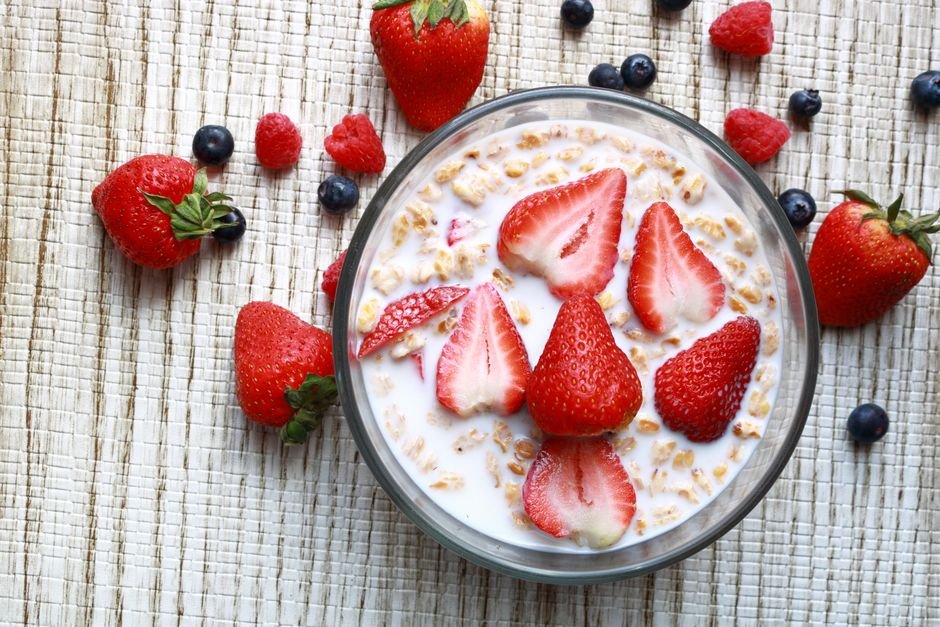
The record describes plain cooked oatmeal, so these figures do not include milk, sweeteners, butter, or fruit. Each of those will raise the calorie and sugar totals, sometimes sharply. If you add them, the carbohydrate and calorie figures above will be the starting point, not the final total.
Because the cooked cup has only about 1 g of sugar, most of the sweetness you taste from toppings like honey or dried fruit will come from what you add.
Is Oatmeal Good for Eating Less Sodium?
Plain cooked multigrain oatmeal is low in sodium on its own, at 168 mg per cooked cup. Instant and flavored packets are a different product, and their sodium levels can be much higher, so check the label of the packet you use. Cooking with unsalted water and skipping added salt keeps the number close to the record.
How Oatmeal Compares
Per 100 g, next to similar foods in our database:
| Food (100 g) | Calories | Protein | Carbs | Fat |
|---|---|---|---|---|
| Oatmeal | 56 | 2.1 g | 12 g | 0.5 g |
| Farina | 53 | 1.8 g | 11 g | 0.3 g |
| Cream of Rice | 52 | 0.9 g | 12 g | 0.1 g |
| Corn Grits | 65 | 1.2 g | 14 g | 0.4 g |
| Rice Milk | 47 | 0.3 g | 9.2 g | 1 g |
| Oat Bran Cereal | 46 | 3.2 g | 12 g | 1.3 g |
Oatmeal FAQ
How many calories are in 100 g of cooked oatmeal?
The USDA multigrain record lists 56 calories per 100 g of cooked product, with 2.1 g of protein and 12 g of carbohydrate.
How much protein is in a cup of oatmeal?
A cooked cup (240 g) has 5.1 g of protein, which is 10% of the Daily Value. Protein is about 14% of the calories in that serving.
Does oatmeal have vitamin C?
No. The record lists 0 mg of vitamin C and 0 mcg of vitamin D, so this food does not supply either nutrient.
The Bottom Line
A cooked cup of multigrain oatmeal (240 g) has 134 calories, mostly from carbohydrate, with 4.8 g of fiber and 168 mg of sodium. Check the dry-to-cooked weight and any added sugar, salt, or toppings if you are tracking the numbers closely.


