
Sriracha has become one of the most popular hot sauces in the world, gracing everything from pizza to eggs to pho. Originally from Thailand, this bright-red fermented chili pepper sauce is now a staple in kitchens across North America, Europe, and beyond. Whether you’re managing weight, watching sodium intake, or simply trying to understand what you’re eating, knowing the calorie and nutrient profile of sriracha is essential for making informed dietary choices.
But here’s the key question: how many calories are actually in sriracha? And should you be concerned about the sodium and sugar content in this beloved condiment? This guide covers everything you need to know about sriracha’s nutrition facts, how portion size affects your calorie intake, and practical strategies for using it without derailing your health goals.
Calories in Sriracha (Quick Answer)
One teaspoon (5g) of sriracha contains surprisingly few calories for a condiment, but the sodium can add up quickly.
- 1 teaspoon (5g): 3 calories
- 1 tablespoon (15g): 9 calories
- 1/4 cup (60g): 36 calories
Note that exact calorie counts vary slightly between brands (Huy Fong, Sriracha Kitchen, store brands) and based on fermentation time and added ingredients like sugar or preservatives.
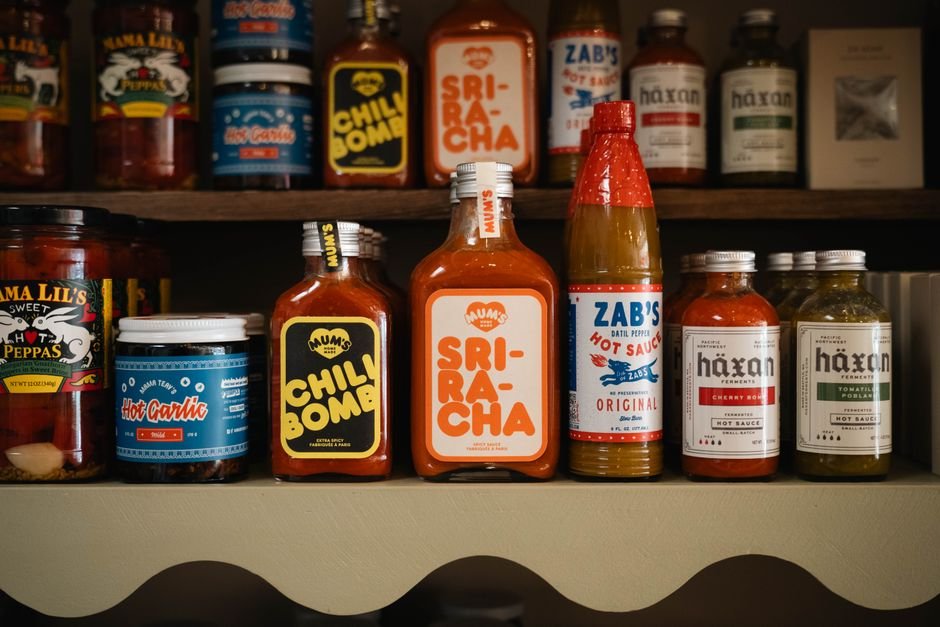
Full Nutrition Facts for 1 Tablespoon (15g) of Sriracha
The following table shows the complete nutrient breakdown for a standard tablespoon serving of sriracha hot sauce:
| Nutrient | Amount | % Daily Value |
|---|---|---|
| Calories | 9 | — |
| Total Fat | 0.2g | <1% |
| Saturated Fat | 0g | 0% |
| Cholesterol | 0mg | 0% |
| Sodium | 340mg | 15% |
| Total Carbohydrate | 2g | <1% |
| Dietary Fiber | 0g | 0% |
| Total Sugars | 1.4g | — |
| Protein | 0.3g | <1% |
| Vitamin C | 3.2mg | 5% |
| Potassium | 48mg | 1% |
| Iron | 0.1mg | <1% |
*Percent Daily Values are based on a 2,000-calorie diet. Source: USDA FoodData Central.
Key insight: Sriracha is extremely low in calories and fat, making it an ideal condiment for calorie-controlled diets. The real concern is sodium—one tablespoon delivers 15% of your daily limit. The 1.4g of sugar per tablespoon is modest, but if you’re using sriracha heavily throughout the day, those sugars accumulate. The chili peppers provide capsaicin, which may have mild metabolic and anti-inflammatory benefits.

Etekcity Food Scale
0.1g accuracy — the perfect companion for exact portions.
Sriracha vs. Mayonnaise: Which Condiment is Better for You?
Sriracha (1 tablespoon, 15g)
- Calories: 9 calories
- Fat: 0.2g (minimal)
- Sodium: 340mg (15% DV)
Mayonnaise (1 tablespoon, 14g)
- Calories: 94 calories
- Fat: 10.4g (16% DV)
- Sodium: 94mg (4% DV)
Practical takeaway: Sriracha is the clear winner for calorie and fat content—it delivers 10 times fewer calories and nearly 50 times less fat per tablespoon than mayo. However, sriracha’s sodium is significantly higher, so those on strict sodium limits should moderate use. For weight loss and heart health, sriracha is the better choice. For flavor per calorie, sriracha also wins: you get intense spice from minimal calories.
Is Sriracha Good for Weight Loss?
Yes, sriracha is excellent for weight loss. At only 3 calories per teaspoon and negligible fat, you can use it generously to add flavor to lean proteins, vegetables, and whole grains without worrying about calorie creep. The capsaicin in chili peppers may also provide a small boost to thermogenesis (calorie burning). The real risk is if sriracha’s flavor encourages you to eat larger portions of other high-calorie foods, or if you’re using it in dishes with heavy mayo-based sauces.
Tips to Eat Sriracha Without Gaining Weight:
- Use it as a flavor substitute: Replace high-calorie sauces like ranch, BBQ, or mayo with sriracha to add taste without the calories.
- Watch your sodium intake: If you use sriracha multiple times daily, track sodium to avoid exceeding 2,300mg per day.
- Don’t pair it with calorie-heavy foods: Drizzle it on egg whites or grilled chicken, not on fried foods or cheese-heavy dishes.
- Measure it initially: A tablespoon delivers big flavor; you may find a teaspoon is enough once your palate adjusts.
Sriracha works best as part of a whole-food diet, not as a mascot for added sugar and sodium. Use it intentionally on nutritious foods, and it becomes a genuine weight-loss ally.
How Portion Size Affects Calories
Sriracha’s calories scale linearly with portion size—there are no hidden jumps. But because the sauce is so concentrated, small differences in how much you use can feel dramatic in terms of flavor while barely budging your calorie count. This is precisely why sriracha is such a useful condiment for people managing their intake.
Example:
- Small portion (1 teaspoon, 5g): 3 calories, 113mg sodium
- Large portion (2 tablespoons, 30g): 18 calories, 680mg sodium
As you can see, even doubling from a teaspoon to two tablespoons adds only 15 calories. The sodium, however, doubles—so moderation matters more for sodium control than calorie control.
Best Way to Measure Sriracha Accurately
Since sriracha comes in a bottle with a narrow opening, most people squeeze it straight onto their plate or food. This makes precise measurement tricky. If you’re tracking calories or sodium closely, a scale or measuring spoon is your best tool. For everyday use, remember that a single squeeze from the bottle cap is roughly 1 teaspoon (5g).
Options:
- Kitchen scale: The most accurate method. Tare the scale, squeeze sriracha onto a plate, and weigh it. This works especially well if you’re watching sodium.
- Measuring spoon set: Use a 1-teaspoon or 1-tablespoon spoon. Sriracha flows easily, so spoon measuring is reliable.
- Bottle squeeze count: Once you know how much a single squeeze is on your bottle (usually close to 1 tsp), count squeezes as you use it.
Calculate Your Exact Calorie Intake
If you’re using sriracha as part of a broader meal plan and want to know your true daily calorie and sodium totals, a quick calculation can help. But what if you’re eating sriracha across multiple meals, combined with other ingredients? That’s when a comprehensive nutrient tracker becomes invaluable.
Our free AI nutrients calculator lets you input any food or meal combination and instantly see the complete breakdown—calories, macros, sodium, sugar, and more. No ads, no signup required. Simply enter “sriracha” with your portion size and combine it with other ingredients to see how it fits into your daily goals.
- Get instant macronutrient and micronutrient breakdowns for any portion size
- Combine multiple foods to see the total nutritional impact of a whole meal
- Track sodium, sugar, and other nutrients that matter for specific health goals
Use the free calculator now to log your sriracha and see how it fits into your daily intake.
Common Mistakes When Eating Sriracha
Sriracha is a low-calorie condiment, but a few pitfalls can still trip you up:
❌ Assuming all hot sauces have the same nutrition: Sriracha is relatively low in sodium compared to some Louisiana-style hot sauces, but significantly higher than others. Check the label on your specific brand.
❌ Forgetting to count sriracha’s sugar: While modest at 1.4g per tablespoon, heavy daily use (3+ tablespoons) adds up to 4+ grams of sugar. For diabetics or those on low-sugar diets, this matters.
❌ Using it to justify eating larger portions of other foods: Just because sriracha is low-calorie doesn’t mean the pizza, fries, or fried chicken you’re dunking it on is. The condiment doesn’t redeem the main dish.
❌ Not checking the sodium on your brand: Some sriracha varieties have added salt or are fermented longer, pushing sodium to 400mg+ per tablespoon. Check your label.
These mistakes are easily avoided with a quick label check and portion awareness.
FAQ
How many calories are in 100g of sriracha?
One hundred grams of sriracha contains approximately 60 calories. This is rarely a practical serving size for sriracha, which is a concentrated condiment, but it’s useful for comparison with other sauces or if you’re using bulk quantities in recipes.
Is sriracha fattening?
No. Sriracha is not fattening—it contains virtually no fat (0.2g per tablespoon) and minimal calories. The risk of weight gain comes only if you use it to add flavor to large portions of high-calorie foods, or if you consume so much that the sugar and sodium accumulate and trigger cravings for more food.
Does sriracha have any health benefits?
Sriracha is made from chili peppers, which contain capsaicin—a compound linked to mild anti-inflammatory effects, pain relief, and a small boost in metabolism. The fermentation process may also introduce beneficial probiotics, depending on the brand. However, the amounts are modest, so sriracha shouldn’t be viewed as a health supplement—it’s a condiment that happens to be healthier than most alternatives.
Can I eat sriracha on a low-sodium diet?
It depends on how strict your limit is. At 340mg per tablespoon, sriracha is moderate in sodium. If your daily limit is 1,500mg (for certain blood pressure conditions), one tablespoon uses 23% of your budget. For the standard 2,300mg limit, it’s 15%—manageable if you’re not using it at every meal. Always check your specific medical guidelines.
Conclusion
Sriracha is a remarkably efficient condiment from a nutritional standpoint. At only 3 calories per teaspoon, essentially zero fat, and a useful dose of flavor, it’s one of the few sauces that can add real taste to meals without sabotaging calorie or fat goals. The sodium content (340mg per tablespoon) is the real consideration—it’s high, but manageable if you’re mindful throughout the day. For weight loss, muscle building, or simply eating well, sriracha is a genuine ally.
Use it liberally on grilled proteins, vegetables, and whole grains; measure it if sodium is a concern; and remember that the condiment itself is never the culprit in weight gain—it’s always the food it accompanies. When in doubt, refer back to reliable nutrition data using our **free AI nutrients calculator** to see exactly how your sriracha-based meals stack up against your daily goals.
