Calories in watermelon seeds roasted: 207 calories per 100 g (100 g)
- 6.2 g protein
- 40 g carbs
- 2.7 g fat
- 6 g fiber
Source: USDA FoodData Central · 207 kcal per 100 g
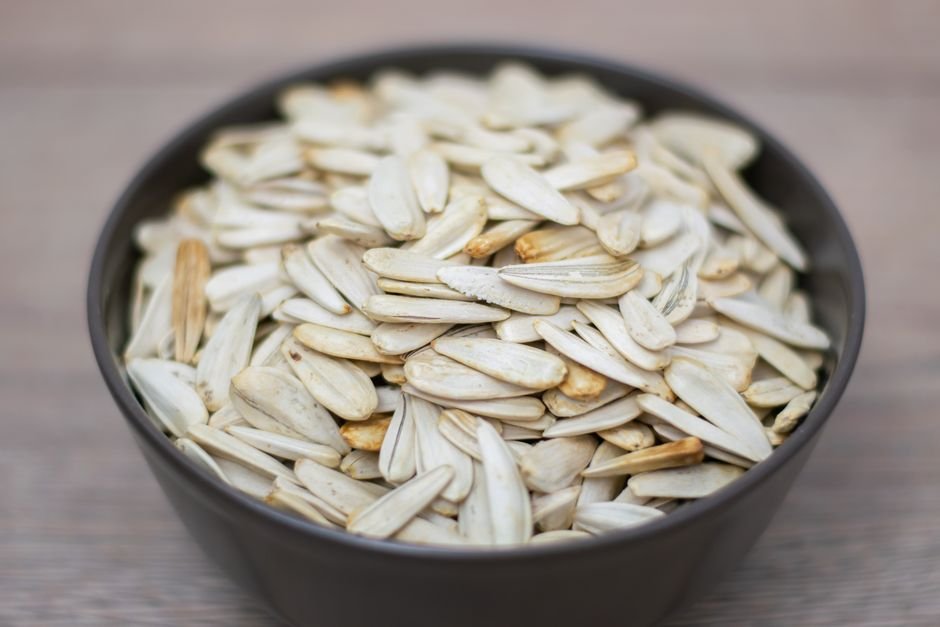
Roasted watermelon seeds contain about 207 calories in 100 g, or 59 calories in a 1 oz (28 g) serving. The USDA record behind these numbers is for roasted breadfruit seeds, the closest roasted-seed entry in its database, so treat the figures as a reference for roasted seeds in general rather than a label for a specific bag of watermelon seeds.
What stands out is the mix. Carbohydrate supplies about 77% of the calories, with 40 g per 100 g, and 6 g of that is dietary fiber. Potassium is 1082 mg per 100 g (23% DV), and niacin is 7.4 mg (46% DV).

Calories in Watermelon Seeds Roasted by Serving Size
Calories in watermelon seeds roasted for each common serving, with protein, carbs and fat:
| Serving | Calories | Protein | Carbs | Fat |
|---|---|---|---|---|
| 1 oz | 59 | 1.8 g | 11 g | 0.8 g |
| 100 g | 207 | 6.2 g | 40 g | 2.7 g |
Watermelon Seeds Roasted Nutrition Facts
Calories in watermelon seeds roasted and the full nutrition facts per 100 g (100 g):
| Nutrient | Amount | % Daily Value* |
|---|---|---|
| Calories | 207 kcal | |
| Protein | 6.2 g | 12% |
| Total Fat | 2.7 g | 3% |
| Saturated Fat | 0.7 g | 4% |
| Cholesterol | 0 mg | 0% |
| Sodium | 28 mg | 1% |
| Total Carbohydrate | 40 g | 15% |
| Dietary Fiber | 6 g | 21% |
| Calcium | 86 mg | 7% |
| Iron | 0.9 mg | 5% |
| Potassium | 1082 mg | 23% |
| Magnesium | 62 mg | 15% |
| Zinc | 1 mg | 9% |
| Phosphorus | 175 mg | 14% |
| Vitamin A (RAE) | 15 mcg | 2% |
| Vitamin C | 7.6 mg | 8% |
| Thiamin (B1) | 0.4 mg | 34% |
| Riboflavin (B2) | 0.2 mg | 18% |
| Niacin (B3) | 7.4 mg | 46% |
| Vitamin B6 | 0.4 mg | 25% |
| Folate (DFE) | 59 mcg | 15% |
Where the calories come from: 77% carbs · 12% protein · 12% fat
*Percent Daily Values are based on a 2,000-calorie diet (FDA reference values). Source: USDA FoodData Central — Seeds, breadfruit seeds, roasted (FDC ID 170595, SR Legacy, published 4/1/2019). Values for other servings are calculated from the per-100 g data.
How Many Calories Are in a Handful of Roasted Watermelon Seeds?
The 1 oz (28 g) serving is the easiest one to picture and is listed at 59 calories, with 1.8 g of protein, 11 g of carbohydrate and 0.8 g of fat. The 100 g figure of 207 calories is useful when you are weighing a larger batch or comparing one brand’s label to another.
Seeds are easy to overeat because they are small and crunchy. Weighing a portion once or twice gives you a better sense of what 28 g looks like on your own plate than guessing by eye.
What Makes Roasted Seeds Different in Nutrition From Other Snacks?
Most of the calories here come from carbohydrate, not fat. Protein is 6.2 g per 100 g.
The mineral profile is the other notable part. Magnesium is 62 mg (15% DV), phosphorus is 175 mg (14% DV) and zinc is 1 mg (9% DV). Sodium is only 28 mg per 100 g (1% DV), so the seeds themselves are low in sodium, though many commercial roasted seeds are salted, and the label on that product will be different.
Does Salting or Seasoning Change the Numbers?
The USDA entry describes the seeds as roasted with no added salt or seasoning listed, so the figures above reflect plain roasted seeds. Flavored versions, such as those with butter, oil, or sugar coatings, will have different calories, fat and sodium, and the nutrition panel on the package is the number to use for them.
If you are watching sodium, check the package first. The 28 mg per 100 g in this record is only a baseline for unsalted seeds.
Who Should Pay Attention to Watermelon Seeds?
- People tracking potassium: 100 g provides 1082 mg (23% DV), which is a meaningful amount for a seed snack.
- People watching sodium: The unsalted baseline is low, but salted products are a different story.
- People managing carbohydrate: Carbs make up about 77% of calories, and fiber is 6 g per 100 g (21% DV).
Because the seeds are dense in calories, a small serving still adds up quickly if eaten straight from a large bag.
How Watermelon Seeds Roasted Compares
Per 100 g, next to similar foods in our database:
| Food (100 g) | Calories | Protein | Carbs | Fat |
|---|---|---|---|---|
| Watermelon Seeds Roasted | 207 | 6.2 g | 40 g | 2.7 g |
| Hash Browns | 197 | 2.5 g | 27 g | 9 g |
| Nutritional Yeast | 185 | 24 g | 20 g | 0.9 g |
| Vodka 80 Proof | 231 | 0 g | 0 g | 0 g |
| Gin | 231 | 0 g | 0 g | 0 g |
| Rum | 231 | 0 g | 0 g | 0 g |
Watermelon Seeds Roasted FAQ
Are roasted watermelon seeds high in protein?
Per 100 g, the USDA record lists 6.2 g of protein (12% DV), and a 1 oz (28 g) serving has 1.8 g. Protein is a smaller share of calories than carbohydrate in this record.
How much fiber is in roasted watermelon seeds?
The record shows 6 g of dietary fiber per 100 g, which is 21% DV. That is one of the more notable numbers in the profile.
Do roasted watermelon seeds have much vitamin C or B12?
They contain 7.6 mg of vitamin C per 100 g (8% DV) and no vitamin B12 (0%). Niacin, at 7.4 mg per 100 g (46% DV), is the B vitamin with the largest percentage.
The Bottom Line
Roasted seeds in this record give 207 calories per 100 g, or 59 per 1 oz, and they are mostly carbohydrate with notable potassium and niacin. For salted or flavored packs, check the package label, since sodium and calories can differ a lot.


