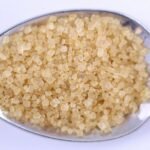
Calories in whey protein powder: 113 calories per 0.33 cup (32 g)
- 25 g protein
- 2 g carbs
- 0.5 g fat
- 1 g fiber
Source: USDA FoodData Central · 352 kcal per 100 g
One 0.33 cup scoop (32 g) of whey protein powder contains 113 calories and 25 g of protein—making it one of the most protein-dense foods by calorie. The powder is nearly all protein by weight (78 g per 100 g), with minimal carbohydrate, sugar, or fat, and supplies significant amounts of B vitamins and minerals including calcium, magnesium, zinc, and selenium.

Calories in Whey Protein Powder by Serving Size
Calories in whey protein powder for each common serving, with protein, carbs and fat:
| Serving | Calories | Protein | Carbs | Fat |
|---|---|---|---|---|
| 0.33 cup (32 g) | 113 | 25 g | 2 g | 0.5 g |
| 100 g | 352 | 78 g | 6.3 g | 1.6 g |
| 1 oz | 100 | 22 g | 1.8 g | 0.4 g |
Whey Protein Powder Nutrition Facts
Calories in whey protein powder and the full nutrition facts per 0.33 cup (32 g):
| Nutrient | Amount | % Daily Value* |
|---|---|---|
| Calories | 113 kcal | |
| Protein | 25 g | 50% |
| Total Fat | 0.5 g | 1% |
| Saturated Fat | 0.2 g | 1% |
| Cholesterol | 5.1 mg | 2% |
| Sodium | 50 mg | 2% |
| Total Carbohydrate | 2 g | 1% |
| Dietary Fiber | 1 g | 4% |
| Total Sugars | 0 g | |
| Calcium | 150 mg | 12% |
| Iron | 0.4 mg | 2% |
| Potassium | 160 mg | 3% |
| Magnesium | 62 mg | 15% |
| Zinc | 2 mg | 18% |
| Phosphorus | 423 mg | 34% |
| Selenium | 8.5 mcg | 16% |
| Thiamin (B1) | 0.2 mg | 16% |
| Riboflavin (B2) | 0.6 mg | 50% |
| Niacin (B3) | 0.4 mg | 2% |
| Vitamin B6 | 0.2 mg | 11% |
| Folate (DFE) | 11 mcg | 3% |
| Vitamin B12 | 0.8 mcg | 33% |
Where the calories come from: 89% protein · 7% carbs · 4% fat
*Percent Daily Values are based on a 2,000-calorie diet (FDA reference values). Source: USDA FoodData Central — Beverages, Protein powder whey based (FDC ID 173180, SR Legacy, published 4/1/2019). Values for other servings are calculated from the per-100 g data.
Why Whey Protein Powder Is So Calorie-Efficient
Whey protein powder achieves an unusual macronutrient split: 89% of its calories come from protein, 7% from carbs, and only 4% from fat. A single 0.33 cup scoop delivers 25 g of protein for just 113 calories. This density makes it valuable for anyone aiming to meet high protein targets without exceeding a calorie limit, since most whole foods require substantially more calories to deliver the same protein amount.
The carbohydrate content is minimal at 2 g per scoop, with 1 g of dietary fiber and zero sugar. Total fat is 0.5 g. These figures show that this particular powder (a whey protein concentrate or isolate blend) has been processed to remove most of the lactose and fat naturally present in milk.

B Vitamins and Minerals in Whey Protein Powder
Per scoop, whey protein powder provides 50% of the daily value for riboflavin (B2), 33% for vitamin B12, and useful amounts of thiamin (B1), vitamin B6, and folate. These are retained during processing and reflect whey’s natural nutrient profile as a milk derivative. The powder also supplies 18% of daily zinc, 16% each of selenium and magnesium, and 12% of calcium.
Phosphorus is notably high at 423 mg per scoop (34% of daily value). Combined with 150 mg of calcium, the calcium-to-phosphorus ratio is about 1:2.8, which differs from whole milk. For most people this is not a concern, but those managing kidney function or phosphate levels should note the high phosphorus content.
Whey Protein Powder Mixed With Liquid Vs. Added to Food
The calorie count of whey protein powder does not change based on how you consume it, but the total meal or drink does. Mixed into 1 cup of water, a scoop adds 113 calories; the same scoop stirred into oatmeal or blended into yogurt contributes those same 113 calories plus whatever the other ingredients provide. The nutrition table for the powder alone reflects the dry product, so any liquid or food additions must be counted separately.
Because whey powder is low in fat and high in protein, it combines well with higher-fat bases (whole milk, peanut butter, nuts, olive oil) without creating an imbalanced macronutrient ratio—though the total calories will increase accordingly.
Sodium, Cholesterol, and What's Not in This Powder
Each scoop contains 50 mg of sodium (2% of daily value)—relatively low and a key reason whey powder is not a major dietary source of salt. Vitamin C, vitamin E, vitamin D, and vitamin A are all absent or negligible in this product, so whey protein powder should not be relied upon as a source for those nutrients.
How Whey Protein Powder Compares
Per 100 g, next to similar foods in our database:
| Food (100 g) | Calories | Protein | Carbs | Fat |
|---|---|---|---|---|
| Whey Protein Powder | 352 | 78 g | 6.3 g | 1.6 g |
| Brown Sugar Substitute | 347 | 2.1 g | 85 g | 0 g |
| Rice Cakes White | 371 | 6.9 g | 84 g | 1 g |
| Almond Meal | 379 | 7.8 g | 77 g | 4.9 g |
| Popcorn Caramel | 381 | 2 g | 90 g | 1.4 g |
| Rice Chips | 384 | 8.2 g | 82 g | 2.8 g |
Whey Protein Powder FAQ
How many calories in a protein shake made from one scoop of whey powder?
One scoop of powder itself is 113 calories. A shake's total depends on the liquid and any other ingredients—water adds no calories, while whole milk, juice, yogurt, or nut butters will increase the total. To find the shake's calories, add the powder's 113 to the calories in whatever you mix it with.
Does whey protein powder have sugar?
This product contains 0 g of total sugars per scoop. However, some commercial whey powder brands add sugar or sweeteners, so check the product label. The DATA reflects unflavored or unsweetened whey protein concentrate or isolate blend.
Does whey protein powder contain lactose?
The water content of this powder is only 3.4 g per 100 g, and it contains 0 g of sugar, indicating most lactose has been removed during processing. However, some whey concentrates retain trace lactose, and individual tolerance varies; those with lactose intolerance should check the product label or choose isolate formulas if sensitivity is a concern.
The Bottom Line
A standard scoop (0.33 cup, 32 g) of whey protein powder delivers 113 calories and 25 g of protein with virtually no sugar or fat, making it an efficient protein source for higher-protein diets. The powder also provides notable amounts of B vitamins and minerals, though it should be combined with whole foods to cover vitamin C, vitamin D, and other micronutrients.