A good matcha latte is one of the simplest drinks you can make at home, but the difference between a smooth, vivid green cup and a gritty, bitter one comes down to a few small decisions. This iced matcha latte recipe walks through those decisions so you can make a café-style matcha latte in about five minutes using ingredients you probably already have or can easily find.
Matcha is finely ground green tea leaf, so you whisk the powder into a small amount of hot water first to create a concentrate, then pour it over ice and cold milk. Starting with a paste rather than dumping powder straight into milk prevents clumps and lets the flavor bloom evenly. The result is a refreshing, lightly sweet drink with a grassy, slightly creamy finish.
The recipe below makes two servings. It uses a modest amount of matcha so the drink stays balanced, and it includes a lighter option for anyone watching calories or sugar.
Full recipe below
Iced Matcha Latte
Why this recipe works for a smooth matcha latte
The method is built around two steps: make a concentrated matcha shot, then combine it with milk and ice. Whisking the powder with a few tablespoons of water at around 175°F dissolves the particles fully and produces a foam on top. Once that concentrate is smooth, it blends easily into cold milk without settling at the bottom of the glass.
Temperature matters here. Matcha is best whisked with water that is hot but not boiling. Boiling water can make the powder taste bitter and harsh. If you do not have a thermometer, let boiled water sit for about two minutes before using it.
The ratio is intentionally forgiving. Two teaspoons of matcha in a two-serving drink gives a clear green flavor without tasting like grass clippings. Adjust the sweetener to your taste, and you will have a drink that feels like a café order at a fraction of the cost. For a broader look at how a daily caffeinated drink fits into your intake, the Dietary Guidelines for Americans offer general guidance on added sugars and beverage choices.
Ingredients you need for an iced matcha latte, and how to choose them
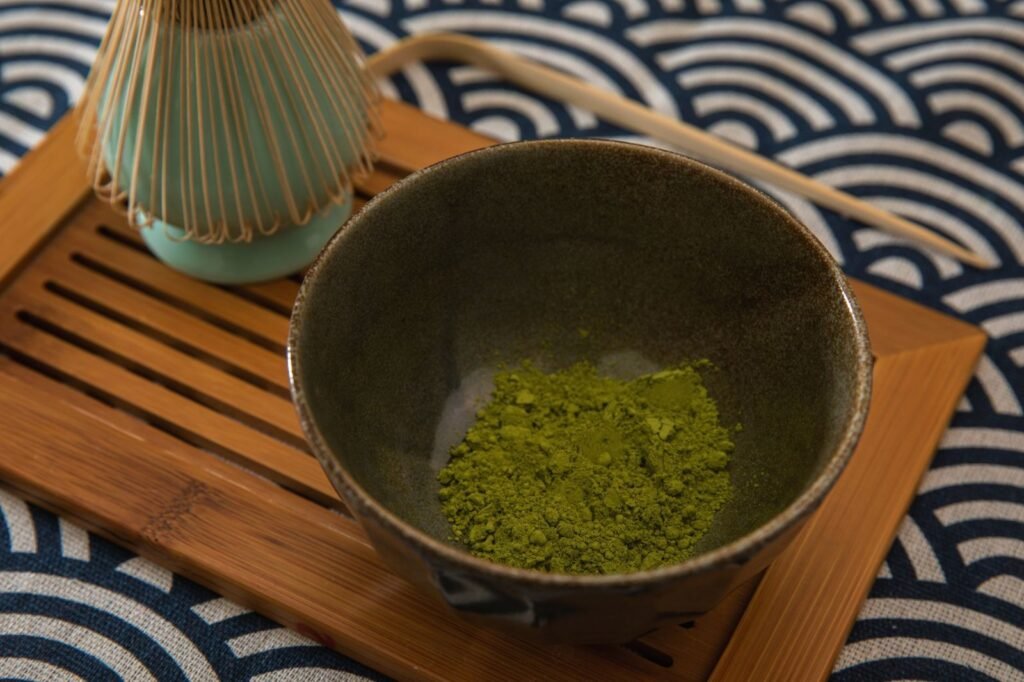
- 2 tsp culinary-grade matcha powder (about 4 g): Culinary grade works well in milk and is more affordable. Choose a bright green powder with a fresh, grassy smell. Dull, brownish powder usually means older or lower-quality tea.
- 3 tbsp hot water, about 175°F (60 mL): This dissolves the matcha into a smooth concentrate. Do not use boiling water.
- 1 cup cold whole milk (240 mL): Whole milk gives the creamiest texture. Oat milk and soy milk are good dairy-free alternatives because they froth and blend well with matcha.
- 1 tbsp honey or maple syrup (about 21 g): Honey and maple both blend easily into the warm concentrate. Use less if you prefer a more savory matcha flavor.
- 1 cup ice cubes (about 140 g): Use enough to fill the glass. Larger cubes melt more slowly and dilute the drink less.
- Optional: 1/2 tsp vanilla extract (about 2.5 g): Adds a rounded sweetness that pairs well with the green tea flavor.
- The recipe makes two servings. Double or halve it as needed. For a deeper look at how milk choices change the nutrition of a drink, see how much protein per meal and how to spread it out when you plan your day.
How to make a smooth iced matcha latte step by step
- Sift the matcha powder into a small bowl using a fine-mesh strainer. This removes clumps and is the single most effective step for a silky texture.
- Add the 3 tbsp of hot water at about 175°F to the matcha. Whisk briskly in a zigzag or W motion for 20 to 30 seconds, until the surface is foamy and no powder remains on the bottom. A bamboo whisk (chasen) works best, but a small milk frother or a regular whisk will also do the job.
- Stir in the honey or maple syrup and vanilla, if using, while the concentrate is still warm. This helps the sweetener dissolve completely.
- Divide the ice between two tall glasses, about 1/2 cup each.
- Pour 1/2 cup of cold milk into each glass over the ice.
- Divide the matcha concentrate evenly between the glasses, pouring it slowly over the milk so it layers attractively.
- Stir well before drinking, and serve right away while the ice is still cold.

Storage and reheating a matcha latte
An iced matcha latte is best made fresh, because the foam dissolves and the color dulls as it sits. If you need to prepare ahead, make the matcha concentrate and keep it covered in the refrigerator for up to 24 hours. Give it a quick re-whisk before adding milk, since the powder may settle.
Keep cold milk refrigerated at or below 40°F, following the guidance in the FoodSafety.gov cold food storage chart. Once combined with ice and milk, the drink should be consumed within a few hours rather than stored.
You can make a hot matcha latte instead by heating the milk to about 150°F, then whisking it into the concentrate. Do not reheat a leftover iced latte, because the milk separates and the flavor turns flat. Make a fresh batch instead.
Common mistakes to avoid with matcha
- Using boiling water. Water above about 180°F makes matcha taste bitter and grassy in an unpleasant way. Let boiled water cool for a couple of minutes first.
- Skipping the sift. Matcha clumps easily, and clumps do not dissolve in cold milk. Sifting takes 30 seconds and prevents gritty bits.
- Adding powder directly to milk. Without a hot water concentrate, the powder floats and sinks in unevenly. Always make the paste first.
- Using too much matcha. More powder does not mean more flavor. Above about 2 tsp per two servings, the drink tastes harsh and vegetal.
- Using old or dull-colored matcha. Stale powder loses its fresh flavor and can taste flat. Buy in small amounts and store it sealed, away from light and heat.
- Drinking it with a lot of added sugar. A tablespoon of honey is enough for most people. Extra syrup can push the drink into dessert territory, which you can check against the FDA guide to the Nutrition Facts label when comparing store-bought options.
Swaps and variations, including a lighter matcha latte
- Lighter option: Use unsweetened almond milk or skim milk, leave out the sweetener, and add a few drops of vanilla. This drops the drink to roughly 40 to 60 calories per serving depending on the milk.
- Dairy-free: Oat milk gives the most creamy result. Soy milk works well too. Choose unsweetened versions if you want to keep sugar low.
- Brown sugar version: Replace the honey with 1 tbsp brown sugar dissolved into the hot concentrate for a caramel note.
- Iced matcha with cold foam: Froth 1/4 cup of milk with a pinch of sweetener until thick, then spoon it over the top for a café-style finish.
- Strawberry matcha: Muddle two or three fresh strawberries in the bottom of the glass before adding milk and ice. The fruit pairs well with the grassy flavor.
- Extra caffeine balance: Matcha contains caffeine, usually a bit less than a cup of coffee per serving, so it is a gentler option for many people. Keep in mind that the milk and sweetener change the calorie count more than the caffeine does.
What to serve with a matcha latte
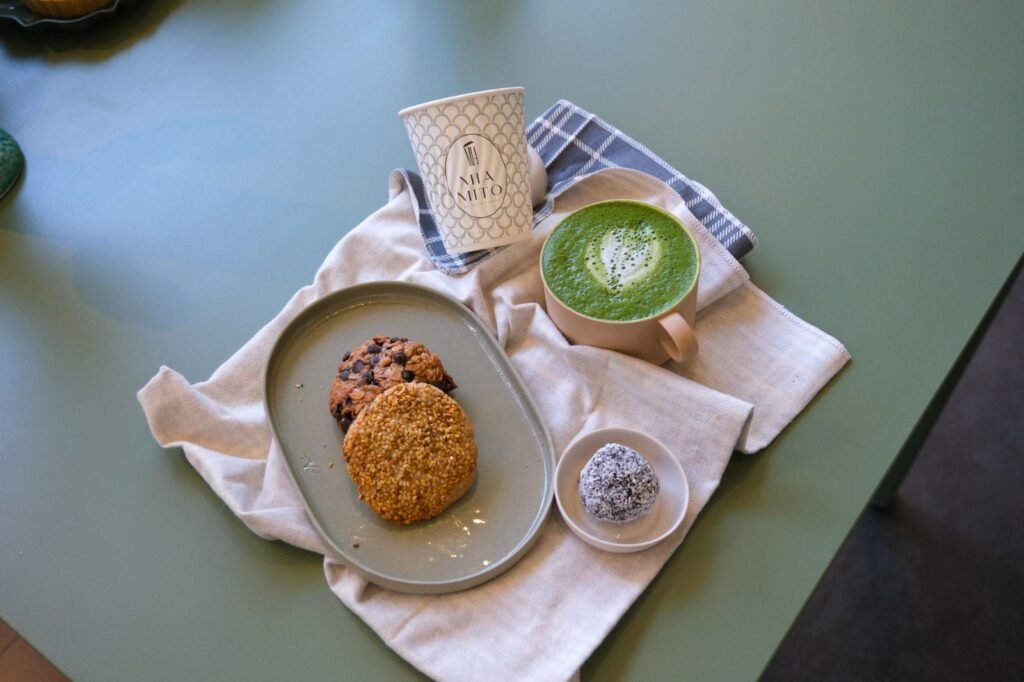
A matcha latte pairs well with lightly sweet or nutty snacks. Try it alongside a small plate of no-bake protein balls for a mid-afternoon break, or with a slice of banana bread for a relaxed morning. The gentle grassy flavor complements dates, oats, and toasted nuts.
For a fuller breakfast, serve the drink with eggs and whole-grain toast. Hard-boiled eggs should reach 160°F internally, as outlined in the FoodSafety.gov safe minimum internal temperatures chart, or simply cook them until the yolks are set. The pairing keeps you full longer than the drink alone.
Frequently asked questions
How do you make a matcha latte without clumps?
Sift the matcha through a fine-mesh strainer, then whisk it with a small amount of hot water at about 175°F in a zigzag motion until smooth and foamy. Add that concentrate to milk after it is fully blended.
Can I make a matcha latte with hot water instead of boiling water?
Yes, and you should. Water around 175°F dissolves matcha well without making it bitter. If your water has boiled, let it rest for a couple of minutes before using it.
How much caffeine is in an iced matcha latte?
A matcha latte made with about 2 tsp of matcha usually contains roughly 60 to 70 mg of caffeine, which is less than a typical cup of coffee. The exact amount depends on the powder and how much you use.
What is the lightest way to make a matcha latte?
Use unsweetened almond or skim milk, skip the honey, and add vanilla for flavor. This keeps the drink low in calories while still giving a creamy, satisfying texture.
Can I make a matcha latte ahead of time?
You can make the matcha concentrate up to 24 hours ahead and keep it covered in the refrigerator. Combine it with milk and ice just before serving so the drink stays fresh and vibrant.
Which matcha is best for a matcha latte?
Culinary-grade matcha is a good choice for lattes because its bolder flavor holds up to milk and sweetener. Ceremonial grade is smoother and better for drinking plain, but it costs more.

Iced Matcha Latte
A creamy, refreshing iced matcha latte made by whisking matcha into hot water, then pouring it over ice and cold milk.
Ingredients
Instructions
- Sift the matcha powder into a small bowl through a fine-mesh strainer.
- Add the hot water at about 175°F and whisk in a zigzag motion for 20 to 30 seconds until smooth and foamy.
- Stir in the honey and vanilla while the concentrate is warm.
- Divide the ice between two tall glasses.
- Pour 1/2 cup of cold milk into each glass.
- Divide the matcha concentrate between the glasses, pouring slowly over the milk.
- Stir and serve immediately.
Notes
- For a lighter drink, use unsweetened almond or skim milk and omit the honey.
- Matcha concentrate can be refrigerated for up to 24 hours; re-whisk before using.
- Culinary-grade matcha works well in lattes; ceremonial grade is smoother for plain tea.
Nutrition per serving
- Calories
- 281
- Protein
- 7.4g
- Carbs
- 41.6g
- Fat
- 9.9g
- Saturated fat
- 3.9g
- Fiber
- 0.2g
- Sugar
- 27.8g
- Sodium
- 140mg
- Cholesterol
- 29mg