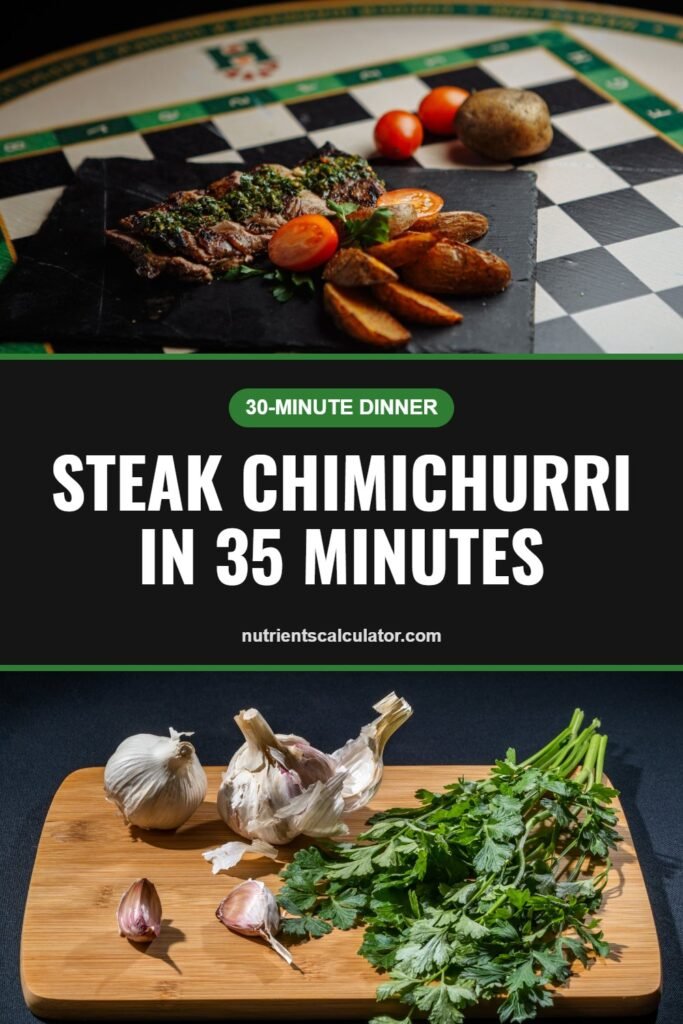
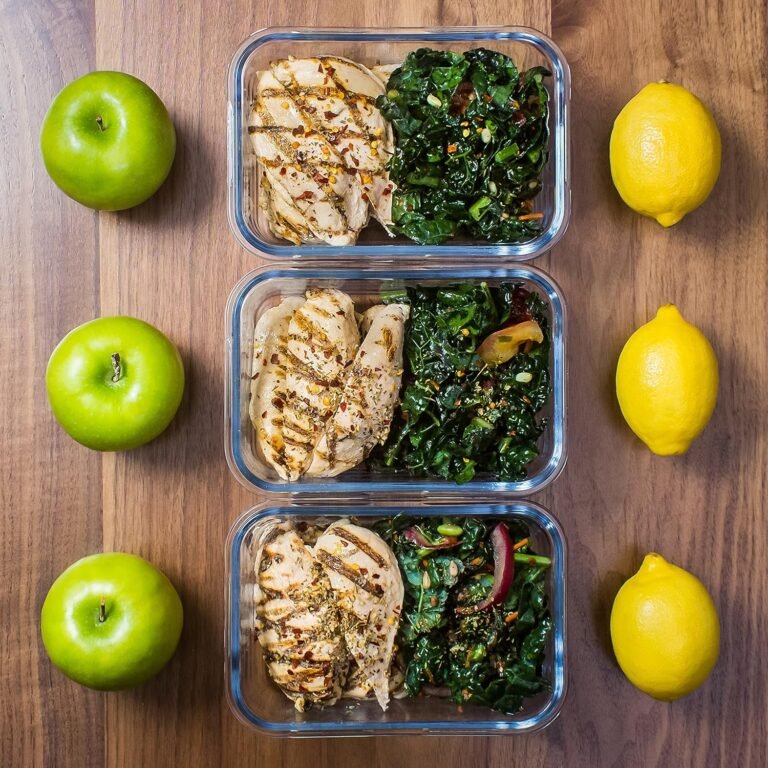
Steak chimichurri is one of the simplest ways to make a restaurant-quality dinner at home. A well-seasoned steak gets a hot sear, and a fresh, tangy sauce of parsley, garlic, oregano, and vinegar is spooned over the top just before serving. The sauce adds flavor without heavy cream or butter, which makes this a good fit for anyone watching their intake of saturated fat.
This version uses sirloin, which is lean, affordable, and reliably tender when cooked to medium-rare. The whole meal takes about 35 minutes, most of it hands-off resting and sauce-making, so it works well on a weeknight. The sauce can be made while the steak is coming to room temperature.
Once you know the method, steak chimichurri is easy to adjust for your tastes and your nutrition goals. You can grill it outdoors or cook it in a cast-iron pan indoors, and you can make the sauce hotter, milder, or more herb-forward depending on what you have on hand.
Full recipe below
Steak Chimichurri
Why this steak chimichurri recipe works
The strength of this dish is contrast. A hot sear builds a browned crust with deep, savory flavor, while the chimichurri brings acid, freshness, and sharp garlic that cut through the richness of the beef. Each bite is balanced in a way that a plain steak is not.
Sirloin is a practical cut for this recipe. It has good beefy flavor, a moderate amount of marbling, and it stays tender at medium-rare when you avoid overcooking. Because the sauce is served on top rather than cooked into the meat, you keep the steak juicy and the herbs bright.
The nutrition profile is also favorable. A 6 oz cooked sirloin provides a large share of a day's protein, and the sauce adds very little calorie load compared with butter-based sauces. Olive oil is the main fat, and it brings mostly monounsaturated fat. You can review USDA FoodData Central for the exact nutrient values of each ingredient.
Ingredients for steak chimichurri and how to choose them
- Sirloin steak, about 1.5 lb (two 6 oz to 8 oz steaks): Choose steaks at least 1 inch thick so they can develop a crust before the center overcooks. Look for bright red color and even marbling. Top sirloin or flat iron both work well.
- Kosher salt, 1 tsp, and black pepper, 1/2 tsp: Kosher salt has larger crystals that season more evenly. If you use table salt, reduce the amount to about 3/4 tsp.
- Olive oil, 2 tbsp total: Use extra-virgin olive oil for the sauce, where its flavor shows. A lighter olive oil works fine for brushing the steak.
- Fresh flat-leaf parsley, 1 cup packed: Buy parsley that looks crisp and deep green. Stems are fine to use if they are tender, but chop them finely.
- Fresh oregano leaves, 1 tbsp (or 1 tsp dried): Dried oregano is more concentrated, so use less. Mexican oregano gives a slightly citrusy note common in Argentine-style sauces.
- Garlic, 3 cloves: Fresh, firm cloves give the sharpest flavor. Mince them finely so the sauce is evenly seasoned.
- Red wine vinegar, 2 tbsp: This provides the signature tang. Sherry vinegar is a good alternative.
- Red pepper flakes, 1/4 tsp, optional: Add more if you like heat. Omit them for a milder sauce.
- Water, 1 tbsp: This loosens the sauce slightly so it spoons easily and coats the steak.

How to make steak chimichurri step by step
- Remove the steaks from the refrigerator 30 minutes before cooking. Pat them completely dry with paper towels, then season both sides with the kosher salt and black pepper.
- Make the chimichurri while the steak rests at room temperature. Finely chop the parsley, oregano, and garlic. Place them in a bowl with the red wine vinegar, water, red pepper flakes if using, and 1/4 tsp of the salt. Stir in the olive oil. Let the sauce sit for at least 10 minutes so the garlic mellows and the flavors blend.
- Preheat a grill or a cast-iron skillet over medium-high heat until very hot, about 450°F to 500°F for a grill. Brush the steaks lightly with olive oil.
- Cook the steaks for 4 to 5 minutes on the first side without moving them, until a deep brown crust forms. Flip once and cook 3 to 4 minutes more for medium-rare.
- Check the thickest part of the steak with an instant-read thermometer. Remove it from the heat at 130°F to 135°F for medium-rare. The temperature will rise about 5°F as it rests. For food safety guidance on beef doneness, see FoodSafety.gov safe minimum internal temperatures, which lists 145°F with a 3-minute rest for whole cuts of beef.
- Transfer the steaks to a cutting board and rest them for 5 to 10 minutes. Resting keeps the juices in the meat rather than on the board.
- Slice the steak against the grain into strips about 1/2 inch thick. Spoon the chimichurri over the top, reserving some for serving at the table.

Storage and reheating leftovers
Store leftover steak in an airtight container in the refrigerator. Cooked beef is safe for 3 to 4 days when kept at 40°F or below, according to the FoodSafety.gov cold food storage chart. Keep the sauce in a separate container, since the herbs will darken and lose brightness after a day or two.
To reheat, warm the steak gently in a skillet over medium-low heat with a teaspoon of water, just until warm. Overheating makes sirloin tough and chewy. Many people prefer to eat leftover steak cold or at room temperature, sliced over a salad, which avoids reheating altogether.
Chimichurri can be made up to 2 days ahead and refrigerated. Let it sit at room temperature for 20 minutes before serving so the olive oil loosens and the flavors open up. Freezing is not recommended for the sauce, because the fresh herbs lose their texture.
Common mistakes to avoid with chimichurri steak
- Cooking straight from the fridge: A very cold steak cooks unevenly, with a gray band under the crust. Let it sit out for about 30 minutes first.
- Skipping the dry-off step: Surface moisture steams the meat instead of searing it. Pat the steak dry before seasoning.
- Chopping the herbs too finely or blending them: A food processor can turn chimichurri into a paste. Hand-chopping keeps the texture bright and distinct.
- Adding the salt only to the sauce: Season the steak itself generously. Salt on the surface of the meat is what builds flavor.
- Slicing with the grain: Cutting with the grain leaves the muscle fibers long and chewy. Turn the steak and slice across the fibers.
- Making the sauce too early: Garlic and vinegar become sharp and harsh after many hours. Make it within 2 days, ideally the same day.
Swaps and variations, including a lighter option
- Lighter option with lean sirloin and less oil: Trim all visible fat from the steak, use 1 tbsp of olive oil in the sauce, and cut the oil in the sauce to 1 tbsp while adding 1 tbsp of lemon juice for brightness. This keeps the sauce vibrant with less fat.
- Chicken chimichurri: Use boneless chicken thighs or breasts. Cook thighs to an internal temperature of 165°F, following FoodSafety.gov safe minimum internal temperatures.
- Salmon or shrimp: Spoon the sauce over grilled salmon fillets or shrimp for a seafood version. Cook salmon to 145°F.
- Cilantro chimichurri: Replace half of the parsley with fresh cilantro for a brighter, more Latin-style sauce.
- Milder sauce: Leave out the red pepper flakes and use white wine vinegar for a gentler flavor that works well for kids.
- Vegetarian version: Grill thick portobello caps or halloumi and top them with the same sauce.

What to serve with steak chimichurri
A simple side of roasted vegetables or a crisp green salad balances the meal and adds fiber. Roasted peppers, zucchini, or green beans all pick up the smoky flavor of the grill and pair well with the herb sauce. For a fuller plate, consider following the guidance in the USDA MyPlate model, which encourages half the plate to be vegetables and fruit.
For a starch, try roasted potatoes, a small serving of cooked quinoa, or warm corn tortillas. If you are building a lighter dinner, pair the steak with a big salad of tomatoes, red onion, and cucumber dressed with lemon juice. For more ideas on quick, high-protein weeknight meals, see Honey Garlic Pork Tenderloin: An Easy, Delicious 35-Minute Dinner or Sheet Pan Salmon with Roasted Vegetables: An Easy 35-Minute Dinner.
Frequently asked questions
Can I make steak chimichurri ahead of time?
Yes. The sauce can be made up to 2 days ahead and kept covered in the refrigerator. Bring it to room temperature for about 20 minutes before serving so the olive oil loosens. Cook the steak fresh for the best texture, since steak chimichurri is best served warm.
What is the best cut of steak for steak chimichurri?
Sirloin, flat iron, and skirt steak all work well for steak chimichurri. Sirloin offers a good balance of flavor, tenderness, and value, and it is lean enough for a lighter meal. Choose steaks about 1 inch thick for the best crust and a juicy center.
How do I know when my steak is done?
Use an instant-read thermometer. For medium-rare, remove the steak at 130°F to 135°F and let it rest, since the temperature rises a few degrees. For whole cuts of beef, the USDA recommends a final temperature of 145°F with a 3-minute rest.
Is steak chimichurri healthy?
It can be part of a balanced diet. Sirloin is a high-protein, relatively lean cut, and the sauce is built on herbs and vinegar with olive oil as the main fat. Trimming visible fat and using less oil in the sauce makes it lighter.
What can I use instead of red wine vinegar in chimichurri?
Sherry vinegar, white wine vinegar, or apple cider vinegar will work. Each adds a slightly different character, so start with a little less and taste before adding more.
Can I cook steak chimichurri indoors?
Yes. Heat a cast-iron skillet over medium-high heat until very hot, then sear the steak for 4 to 5 minutes per side. Turn on your kitchen vent, since searing creates smoke.

Steak Chimichurri
Juicy grilled sirloin topped with a fresh, garlicky parsley and oregano chimichurri sauce.
Ingredients
Instructions
- Let the steak sit at room temperature for 30 minutes, then pat dry and season both sides with 1/2 tsp of the salt and the black pepper.
- Make the chimichurri: combine the parsley, oregano, garlic, vinegar, water, red pepper flakes, remaining 1/2 tsp salt, and 1 tbsp of the olive oil in a bowl. Stir well and let stand 10 minutes.
- Heat a grill or cast-iron skillet over medium-high heat until very hot, about 450°F to 500°F.
- Brush the steaks with the remaining 1 tbsp olive oil. Cook 4 to 5 minutes without moving until a crust forms, then flip and cook 3 to 4 minutes more.
- Remove the steaks at 130°F to 135°F for medium-rare and rest for 5 to 10 minutes.
- Slice the steak against the grain into 1/2-inch strips and spoon the chimichurri over the top.
Notes
- Cook beef to a final temperature of 145°F with a 3-minute rest for food safety; medium-rare is a personal preference.
- Leftover steak keeps 3 to 4 days refrigerated. Sauce is best within 2 days.
Nutrition per serving
- Calories
- 320
- Protein
- 38.1g
- Carbs
- 2.6g
- Fat
- 16.6g
- Saturated fat
- 1g
- Fiber
- 0.9g
- Sugar
- 0.2g
- Sodium
- 567mg
- Cholesterol
- 102mg