Part of our guide: How Much Water Should I Drink a Day? What the Science Actually Says
Key takeaways
- About 20% of the water you take in comes from food. Water-rich foods make the biggest contribution.
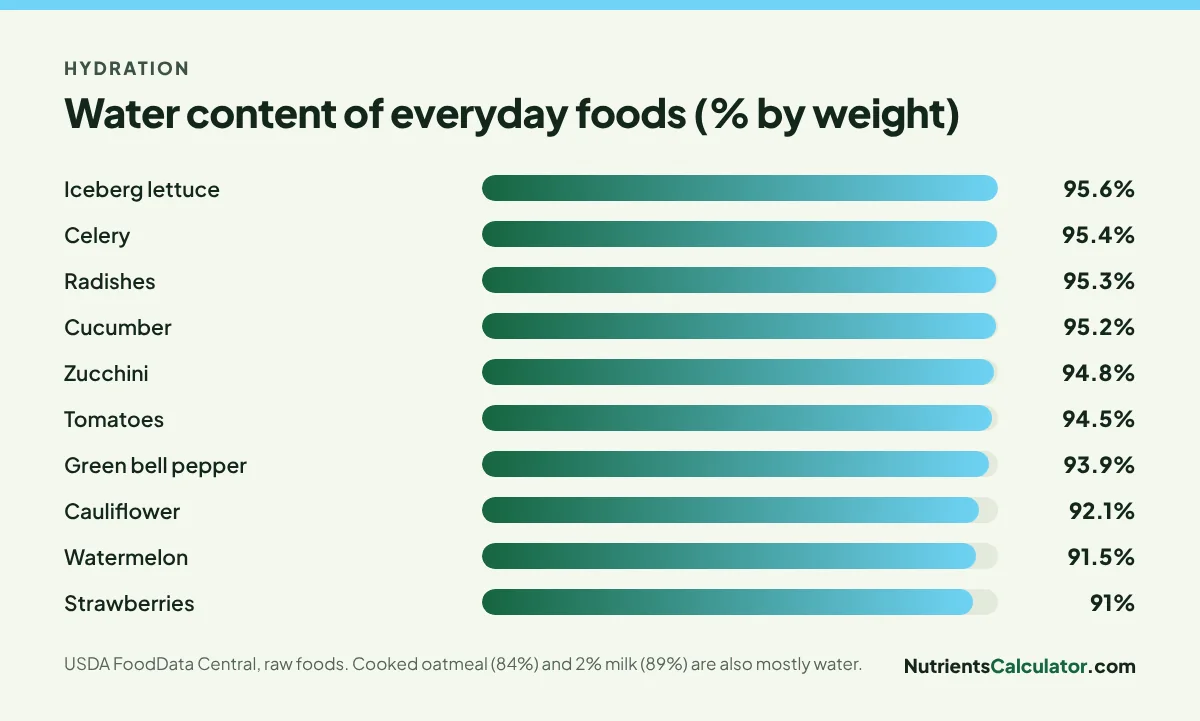
- Lettuce, celery, radishes, cucumber, zucchini and tomatoes are 94–96% water; watermelon and strawberries about 91%.
- A cup of many fruits and vegetables delivers 100–200 ml of water for very few calories.
- They’re also high in potassium and fiber, and low in calories, which helps with weight control.
Most hydration advice is about what you drink. But in a typical diet about a fifth of your total water comes from food (Mayo Clinic), and some foods are almost entirely water. Choosing more water-rich foods is an easy way to top up your fluids, especially on hot days or if you struggle to drink enough. Here are 20 of the best, with USDA numbers for how much water each one actually provides.
Vegetables: the most water per bite
Values per cup from USDA FoodData Central:
| Vegetable | Water | Water per cup | Calories per cup |
|---|---|---|---|
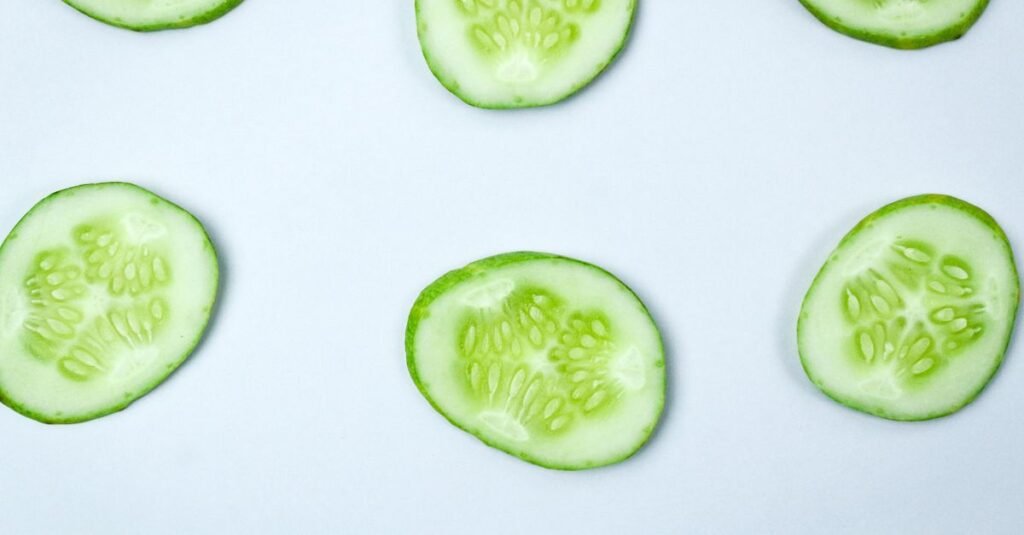
| Cucumber, sliced | 95% | about 99 ml | 16 |
| Iceberg lettuce, shredded | 96% | about 69 ml | 10 |
| Celery, chopped | 95% | about 96 ml | 16 |
| Radishes, sliced | 95% | about 110 ml | 19 |
| Zucchini, chopped | 95% | about 118 ml | 21 |
| Tomatoes, chopped | 94.5% | about 170 ml | 32 |
| Green bell pepper, chopped | 94% | about 140 ml | 30 |
| Cauliflower, chopped | 92% | about 99 ml | 27 |
| Broccoli, chopped | 89% | about 81 ml | 31 |
| Spinach, raw | 91% | about 27 ml | 7 |
Leafy greens are very high in water by weight but light by volume, so a cup holds less water than a cup of tomatoes. A big salad with tomatoes, cucumber and peppers can easily provide a full glass of water.

Etekcity Food Scale
0.1g accuracy — the perfect companion for exact portions.
Fruit: water plus potassium
| Fruit | Water | Water per cup | Calories per cup |
|---|---|---|---|
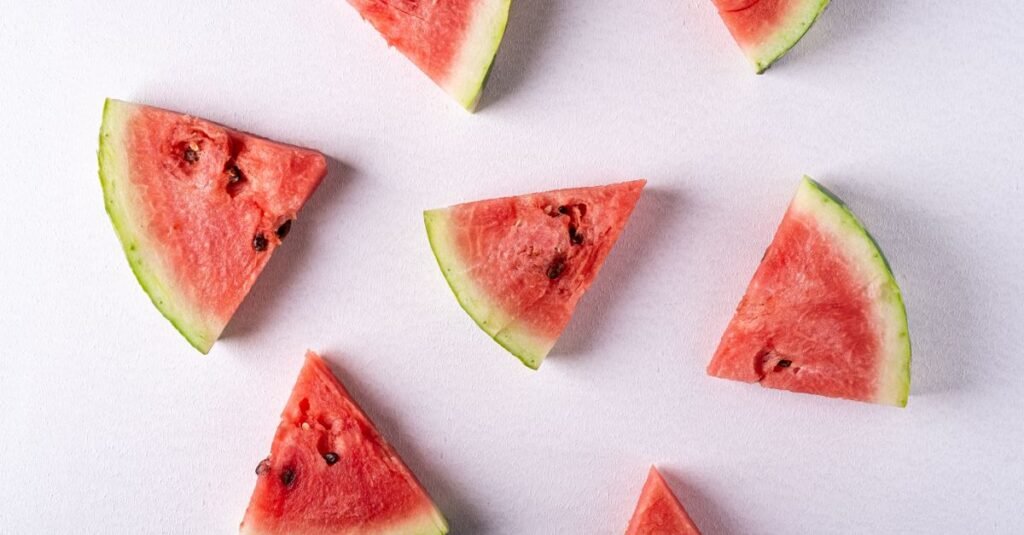
| Watermelon, diced | 91.5% | about 139 ml | 46 |
| Strawberries, halved | 91% | about 138 ml | 49 |
| Cantaloupe, cubed | 90% | about 144 ml | 54 |
| Grapefruit, sections | 88% | about 200 ml | 97 |
| Peaches, sliced | 89% | about 137 ml | 60 |
| Oranges, sections | 87% | about 156 ml | 85 |
| Pineapple, chunks | 86% | about 142 ml | 83 |
| Apples, chopped | 86% | about 107 ml | 65 |
Fruit also supplies potassium, which helps your body hold on to fluid, and natural sugar that makes it useful after exercise. Watermelon and cantaloupe are particularly good in summer.
Other water-rich foods

Don’t overlook these:
- Broth-based soup. Canned chicken noodle soup (prepared) is about 94% water, roughly 234 ml per cup for 60 calories.
- Milk. 2% milk is about 89% water and adds protein, calcium and potassium.
- Plain yogurt. About 85% water, with protein.
- Cottage cheese. About 81% water.
- Cooked oatmeal. About 84% water, since oats absorb the cooking liquid.
Cooked grains, pasta and beans also hold a lot of water, which is why “dry” foods like crackers (5% water) and bread (39%) hydrate far less.
Why water-rich foods are good for you
Hydration. Foods count toward the National Academies’ total water reference of about 2.7 liters a day for women and 3.7 liters for men (National Academies). Our guide to how much water to drink a day explains how food and drinks add up.
Fullness for fewer calories. Water adds weight and volume without calories. Research on energy density shows people feel full on the amount of food they eat more than its calories, so water-rich meals help you eat less without feeling deprived (Rolls, 2017). See low-calorie filling foods.
Nutrients. Most water-rich fruits and vegetables are good sources of potassium, vitamin C and fiber. Tomatoes, oranges and cantaloupe are particularly rich in vitamin C and potassium.
Easy ways to eat more water
- Start meals with a salad or soup.
- Add cucumber and tomato to sandwiches, wraps and bowls.
- Keep cut fruit in the fridge: melon, berries, orange segments.
- Swap crisps for crunchy vegetables like celery, radishes and peppers with hummus.
- Blend a smoothie with frozen berries, yogurt and milk.
- Choose broth-based soups over creamy ones when you want something warm.
Water-rich foods for hot days and exercise
When you’re sweating, combining fluid with some salt and potassium helps you hold on to water. Watermelon or oranges after a run, or soup after a hot day outdoors, do both jobs. For long or very sweaty sessions, read whether you need electrolyte drinks.
Track fluids and food together
Our free water tracker lets you log drinks and see your daily total. Remember that a salad-heavy, fruit-rich day may need a little less from drinks.
The bottom line
Water-rich foods like cucumber, lettuce, celery, tomatoes, watermelon and strawberries are 90–96% water and supply a meaningful share of your daily fluids for very few calories. Make them a regular part of meals and snacks, and they’ll help you stay hydrated, feel full and get more potassium and vitamin C, alongside the water you drink. For more ideas, see how to drink more water.
Frequently asked questions
Which food has the most water?
Lettuce, cucumber, celery, radishes and zucchini all top 94–96% water by weight. Among fruits, watermelon and strawberries are about 91%.
Can water-rich foods replace drinking water?
Not completely. Food usually supplies about 20% of your total water. Water-rich foods help, especially in hot weather, but you still need to drink fluids through the day.
Are water-rich foods good for weight loss?
They can help. Foods high in water are usually low in calories per bite, so you can eat a satisfying volume for fewer calories. A cup of watermelon is about 46 calories.
Does cooked food still count?
Yes. Soups, stews, cooked oatmeal, rice and pasta all contain a lot of water absorbed during cooking. Cooked oatmeal is about 84% water.
Sources
- USDA FoodData Central
- Mayo Clinic: Water — how much should you drink every day?
- National Academies: Dietary Reference Intakes for Water, Potassium, Sodium, Chloride, and Sulfate (2005)
- Rolls BJ. Dietary energy density: applying behavioural science to weight management. Nutrition Bulletin, 2017
This article is for general information and isn’t medical advice. Talk to your doctor or a registered dietitian about your own needs, especially if you have a health condition, are pregnant or take medication.