Calories in cream cheese non-dairy: 372 calories per 1 medium cream cheese non-dairy (496 g)
- 3.1 g protein
- 60 g carbs
- 13 g fat
Source: USDA FoodData Central · 75 kcal per 100 g
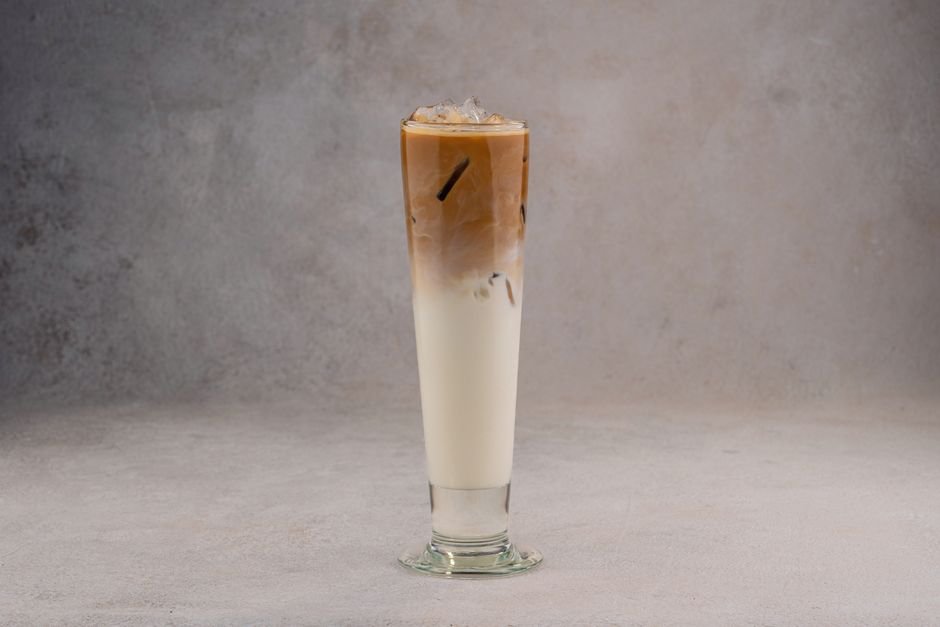
A medium cream cheese non-dairy serving (496 g) has 372 calories in USDA FoodData Central’s record for a frozen coffee drink made with non-dairy milk and whipped cream. That is about 75 calories per 100 g, and most of the energy comes from carbohydrate, with fat contributing less.
The standout detail is sugar. The lead serving has 60 g of total carbohydrate and 57 g of total sugars, with no dietary fiber listed. Protein is low at 3.1 g for the same serving, so this is mainly a sweet, carbohydrate-based food rather than a source of protein.

Calories in Cream Cheese Non-Dairy by Serving Size
Calories in cream cheese non-dairy for each common serving, with protein, carbs and fat:
| Serving | Calories | Protein | Carbs | Fat |
|---|---|---|---|---|
| 1 medium (496 g) | 372 | 3.1 g | 60 g | 13 g |
| 1 fl oz (31 g) | 23 | 0.2 g | 3.8 g | 0.8 g |
| 1 cup (8 fl oz) (248 g) | 186 | 1.5 g | 30 g | 6.5 g |
| 1 small (372 g) | 279 | 2.3 g | 45 g | 9.8 g |
| 1 large (620 g) | 465 | 3.8 g | 75 g | 16 g |
| 100 g | 75 | 0.6 g | 12 g | 2.6 g |
| 1 oz | 21 | 0.2 g | 3.4 g | 0.7 g |
Cream Cheese Non-Dairy Nutrition Facts
Calories in cream cheese non-dairy and the full nutrition facts per 1 medium (496 g):
| Nutrient | Amount | % Daily Value* |
|---|---|---|
| Calories | 372 kcal | |
| Protein | 3.1 g | 6% |
| Total Fat | 13 g | 17% |
| Saturated Fat | 5.8 g | 29% |
| Cholesterol | 25 mg | 8% |
| Sodium | 129 mg | 6% |
| Total Carbohydrate | 60 g | 22% |
| Dietary Fiber | 0 g | 0% |
| Total Sugars | 57 g | |
| Vitamin D | 2.5 mcg | 12% |
| Calcium | 352 mg | 27% |
| Iron | 0.8 mg | 4% |
| Potassium | 223 mg | 5% |
| Magnesium | 84 mg | 20% |
| Zinc | 0.5 mg | 5% |
| Phosphorus | 94 mg | 8% |
| Selenium | 2.5 mcg | 5% |
| Vitamin A (RAE) | 164 mcg | 18% |
| Vitamin C | 0.5 mg | 1% |
| Vitamin E | 4.7 mg | 31% |
| Vitamin K | 3 mcg | 2% |
| Thiamin (B1) | 0 mg | 4% |
| Riboflavin (B2) | 0.3 mg | 21% |
| Niacin (B3) | 4 mg | 25% |
| Vitamin B6 | 0 mg | 2% |
| Folate (DFE) | 9.9 mcg | 2% |
| Vitamin B12 | 0.8 mcg | 33% |
Where the calories come from: 65% carbs · 32% fat · 3% protein
*Percent Daily Values are based on a 2,000-calorie diet (FDA reference values). Source: USDA FoodData Central — Frozen coffee drink, with non-dairy milk and whipped cream (FDC ID 2710403, Survey (FNDDS), published 10/31/2024). Values for other servings are calculated from the per-100 g data.
How Many Calories Are in Each Serving Size?
The USDA record covers several portion sizes, so the calorie count depends a lot on how much you pour or scoop. A 1 fl oz (31 g) portion has 23 calories, a 1 cup (8 fl oz, 248 g) portion has 186 calories, and a 1 large (620 g) portion has 465 calories. The 100 g figure is 75 calories, which makes it easy to compare with other amounts.
Because the record is a frozen coffee drink, the numbers reflect the drink as described in the USDA entry. A cup-sized serving is roughly a quarter of the lead serving by weight, so weighing or checking the size on the container gives you a more accurate count than guessing by eye.
Where the Calories Come From
Carbohydrate supplies 65% of the calories in this record, fat supplies 32%, and protein supplies 3%. The lead serving has 60 g of carbohydrate and 13 g of fat, and nearly all of the carbohydrate is sugar: 57 g of the 60 g total.
Fat is worth a closer look. The record also contains some notable micronutrients per lead serving, including 352 mg of calcium (27% DV) and 0.8 mcg of vitamin B12 (33% DV), but these come with the sugar load, not as a substitute for other foods.
Who Should Pay Attention to the Sugar and Sodium
- People tracking sugar intake: the lead serving has 57 g of total sugars, which is most of its carbohydrate.
- People watching sodium: the lead serving has 129 mg of sodium (6% DV).
- People who want more fiber: the record lists 0 g of dietary fiber.
A large portion carries 75 g of carbohydrate in the record.
How Cream Cheese Non-Dairy Compares
Per 100 g, next to similar foods in our database:
| Food (100 g) | Calories | Protein | Carbs | Fat |
|---|---|---|---|---|
| Cream Cheese Non-Dairy | 75 | 0.6 g | 12 g | 2.6 g |
| Cottage Cheese Dry | 72 | 10 g | 6.7 g | 0.3 g |
| Cottage Cheese Low Sodium | 72 | 12 g | 2.7 g | 1 g |
| Cow Milk 1% | 69 | 3.1 g | 12 g | 0.9 g |
| Yogurt Drink | 81 | 4.3 g | 14 g | 1 g |
| Goat Milk | 69 | 3.6 g | 4.5 g | 4.1 g |
Cream Cheese Non-Dairy FAQ
Is cream cheese non-dairy high in protein?
No. The lead serving has 3.1 g of protein, and protein makes up only 3% of the calories in this USDA record.
How much fat is in a cup of cream cheese non-dairy?
A 1 cup (8 fl oz, 248 g) serving has 6.5 g of total fat and 186 calories, according to the USDA record.
Does cream cheese non-dairy have any fiber?
The USDA record lists 0 g of dietary fiber per serving, at every portion size shown.
The Bottom Line
A medium serving of this record has 372 calories, and most of them come from sugar-heavy carbohydrate rather than fat or protein. Check the portion size before estimating, because the calories scale quickly from 23 per fl oz to 465 per large serving.