Calories in duck liver: 14 calories per 1 unit (10 g)
- 1.9 g protein
- 0.4 g carbs
- 0.5 g fat
Source: USDA FoodData Central · 136 kcal per 100 g
Raw duck liver has about 14 calories in a 10 g unit, which is the yield from 1 lb of ready-to-cook duck. A whole 44 g liver contains about 60 calories, and 100 g contains 136 calories in duck liver. Most of those calories come from protein, with fat making up most of the rest.
What stands out is the vitamin A and vitamin B12 content.
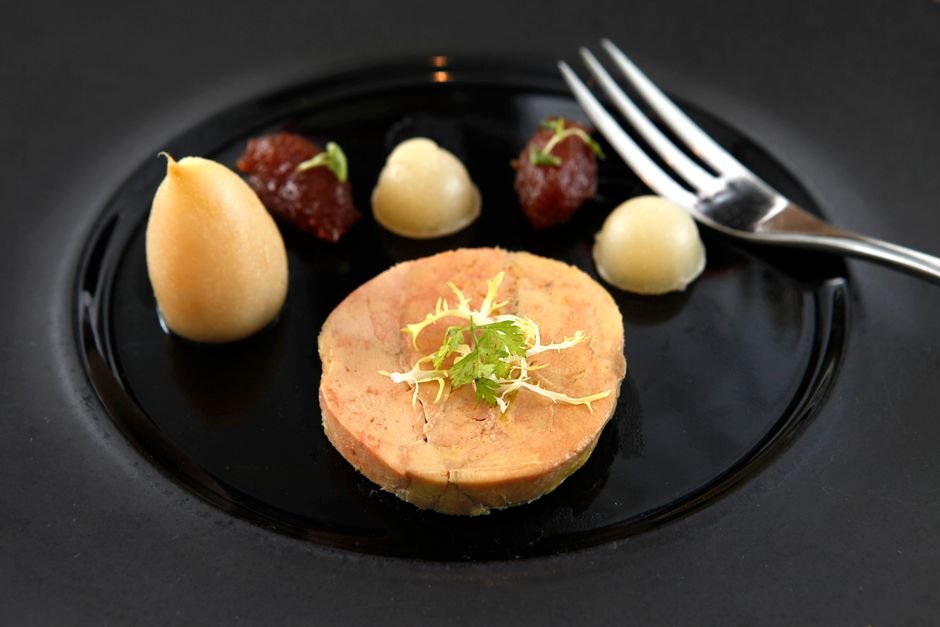
Calories in Duck Liver by Serving Size
Calories in duck liver for each common serving, with protein, carbs and fat:
| Serving | Calories | Protein | Carbs | Fat |
|---|---|---|---|---|
| 1 unit (yield from 1 lb ready-to-cook duck) (10 g) | 14 | 1.9 g | 0.4 g | 0.5 g |
| 1 liver (44 g) | 60 | 8.2 g | 1.6 g | 2 g |
| 100 g | 136 | 19 g | 3.5 g | 4.6 g |
| 1 oz | 39 | 5.3 g | 1 g | 1.3 g |
Duck Liver Nutrition Facts
Calories in duck liver and the full nutrition facts per 1 unit (yield from 1 lb ready-to-cook duck) (10 g):
| Nutrient | Amount | % Daily Value* |
|---|---|---|
| Calories | 14 kcal | |
| Protein | 1.9 g | 4% |
| Total Fat | 0.5 g | 1% |
| Saturated Fat | 0.1 g | 1% |
| Cholesterol | 52 mg | 17% |
| Sodium | 14 mg | 1% |
| Total Carbohydrate | 0.4 g | 0% |
| Dietary Fiber | 0 g | 0% |
| Calcium | 1.1 mg | 0% |
| Iron | 3.1 mg | 17% |
| Potassium | 23 mg | 0% |
| Magnesium | 2.4 mg | 1% |
| Zinc | 0.3 mg | 3% |
| Phosphorus | 27 mg | 2% |
| Selenium | 6.7 mcg | 12% |
| Vitamin A (RAE) | 1198 mcg | 133% |
| Vitamin C | 0.5 mg | 1% |
| Thiamin (B1) | 0.1 mg | 5% |
| Riboflavin (B2) | 0.1 mg | 7% |
| Niacin (B3) | 0.7 mg | 4% |
| Vitamin B6 | 0.1 mg | 4% |
| Folate (DFE) | 74 mcg | 18% |
| Vitamin B12 | 5.4 mcg | 225% |
Where the calories come from: 57% protein · 32% fat · 11% carbs
*Percent Daily Values are based on a 2,000-calorie diet (FDA reference values). Source: USDA FoodData Central — Duck, domesticated, liver, raw (FDC ID 174467, SR Legacy, published 4/1/2019). Values for other servings are calculated from the per-100 g data.
How Many Calories Are in a Serving of Duck Liver?
The USDA record covers raw duck liver as sold, not cooked. Calories depend heavily on the amount, so the serving you measure matters. A 10 g unit has 14 calories, 1.9 g of protein, 0.4 g of carbohydrate, and 0.5 g of fat. A single 44 g liver has 60 calories, 8.2 g of protein, 1.6 g of carbohydrate, and 2 g of fat. A 1 oz (28 g) portion has 39 calories.
Duck liver contains no fiber. Its carbohydrate content is low, at 3.5 g per 100 g, so the calories come almost entirely from protein and fat. Based on the USDA data, protein supplies 57% of the calories, fat 32%, and carbohydrate 11%.

Why Duck Liver Is So Rich in Vitamin a and B12
A small amount of this food delivers a large share of certain vitamins. The 10 g unit has 1198 mcg of vitamin A, which is 133% of the Daily Value. The 100 g amount contains 11,984 mcg. Vitamin B12 is also concentrated: 5.4 mcg per 10 g unit, or 225% DV, and 54 mcg per 100 g.
Folate is high too. The 10 g unit has 74 mcg (18% DV), and 100 g has 738 mcg. Iron is 3.1 mg per 10 g unit (17% DV), and selenium is 6.7 mcg (12% DV). Because these levels are so concentrated, the portion size you eat changes the picture significantly.
Vitamin A and B12 are fat-soluble and water-soluble, respectively, so they behave differently in the body. Eating very large amounts of liver regularly can push vitamin A intake high, so people taking supplements or eating liver often should keep that in mind.
Cholesterol, Sodium, and Who Should Watch Their Intake
The 100 g figure is 515 mg, and the 10 g unit contains 52 mg (17% DV). Saturated fat is low, at 1.4 g per 100 g, and the 10 g unit has 0.1 g.
Sodium is moderate for a meat, with 140 mg per 100 g and 14 mg per 10 g unit (1% DV). Raw liver has no added salt, but pâtés, mousses, and seasoned liver dishes often add a lot, so those versions can have a very different sodium count.
Does Cooking or Buying Duck Liver Change the Numbers?
These numbers apply to raw, uncooked duck liver as sold. Cooking drives off water and concentrates the nutrients per gram, so a cooked liver weighs less than the raw amount, and the same piece will carry more calories per gram. Fat added in the pan, such as butter or oil, adds calories on top of the figures shown here.
If you are weighing liver to track intake, weigh it raw. Cooked liver numbers would need a separate USDA entry, and this page does not use them.
How Duck Liver Compares
Per 100 g, next to similar foods in our database:
| Food (100 g) | Calories | Protein | Carbs | Fat |
|---|---|---|---|---|
| Duck Liver | 136 | 19 g | 3.5 g | 4.6 g |
| Lamb Kidney | 137 | 24 g | 1 g | 3.6 g |
| Bacon Canadian | 146 | 28 g | 1.8 g | 2.8 g |
| Pork Sirloin | 156 | 31 g | 0 g | 2.6 g |
| Ostrich Steak | 159 | 29 g | 0 g | 4 g |
| Turkey Breast Deli | 109 | 22 g | 3.5 g | 0.8 g |
Duck Liver FAQ
Is duck liver high in protein?
Yes. It has 19 g of protein per 100 g, and protein is the largest share of its calories at 57%. A 44 g liver provides 8.2 g of protein.
How much vitamin A is in duck liver?
A 10 g unit contains 1198 mcg of vitamin A (RAE), which is 133% of the Daily Value. Because it is so concentrated, eating large amounts of liver regularly can add up quickly.
Does duck liver have any carbs or sugar?
Very little. It has 3.5 g of carbohydrate per 100 g and no dietary fiber, so the 10 g unit has only 0.4 g of carbohydrate.
The Bottom Line
Check the amount you eat, and be cautious with frequent or large servings.