571 calories in 1 cup of rye (169 g)
- 17 g protein
- 128 g carbs
- 2.8 g fat
- 26 g fiber
Source: USDA FoodData Central · 338 kcal per 100 g
A cup of rye grain contains 571 calories, with 128 g of carbohydrate and 17 g of protein. Rye is exceptionally high in dietary fiber — a single cup delivers 26 g, nearly all the daily target — and delivers substantial amounts of magnesium, zinc, and B vitamins with virtually no fat.
As a whole grain, rye retains most of its nutrients in the grain itself. It’s much lower in sodium than many grains and contains no sugar beyond trace amounts, making it fundamentally different from processed grain foods.
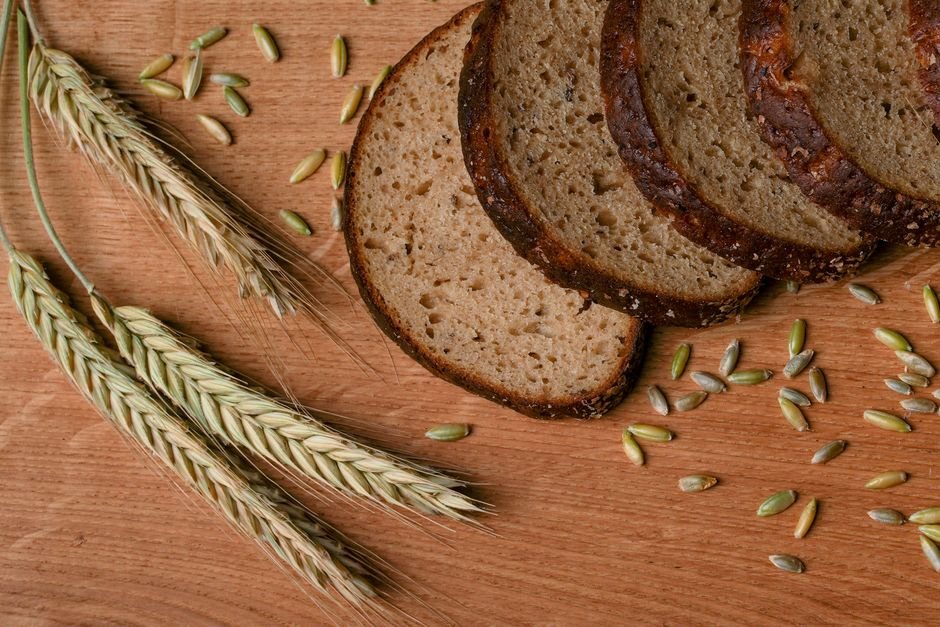
Calories in Rye by Serving Size
| Serving | Calories | Protein | Carbs | Fat |
|---|---|---|---|---|
| 1 cup (169 g) | 571 | 17 g | 128 g | 2.8 g |
| 100 g | 338 | 10 g | 76 g | 1.6 g |
| 1 oz | 96 | 2.9 g | 22 g | 0.5 g |
Rye Nutrition Facts
Per 1 cup (169 g):
| Nutrient | Amount | % Daily Value* |
|---|---|---|
| Calories | 571 kcal | |
| Protein | 17 g | 35% |
| Total Fat | 2.8 g | 4% |
| Saturated Fat | 0.3 g | 2% |
| Cholesterol | 0 mg | 0% |
| Sodium | 3.4 mg | 0% |
| Total Carbohydrate | 128 g | 47% |
| Dietary Fiber | 26 g | 91% |
| Total Sugars | 1.7 g | |
| Calcium | 41 mg | 3% |
| Iron | 4.4 mg | 25% |
| Potassium | 862 mg | 18% |
| Magnesium | 186 mg | 44% |
| Zinc | 4.5 mg | 41% |
| Phosphorus | 561 mg | 45% |
| Selenium | 23 mcg | 43% |
| Vitamin A (RAE) | 1.7 mcg | 0% |
| Vitamin E | 1.4 mg | 10% |
| Vitamin K | 10 mcg | 8% |
| Thiamin (B1) | 0.5 mg | 45% |
| Riboflavin (B2) | 0.4 mg | 33% |
| Niacin (B3) | 7.2 mg | 45% |
| Vitamin B6 | 0.5 mg | 29% |
| Folate (DFE) | 64 mcg | 16% |
Where the calories come from: 84% carbs · 12% protein · 4% fat
*Percent Daily Values are based on a 2,000-calorie diet (FDA reference values). Source: USDA FoodData Central — Rye grain (FDC ID 168884, SR Legacy, published 4/1/2019). Values for other servings are calculated from the per-100 g data.
Rye as a High-Fiber Grain
The most striking feature of rye grain is its fiber content: 26 g per cup, or 91% of the daily value.
Rye’s fiber comes from the bran and germ, which are present in whole rye grain but absent in refined rye products like white rye flour. If you’re buying rye flour, bread, or flakes, the fiber content will be lower unless labeled as whole grain rye.
Rye vs Wheat: Key Nutritional Differences
Rye grain and wheat grain have similar calorie densities and protein levels at 100 g, but rye contains noticeably more fiber and slightly more minerals like zinc and magnesium. Rye also has a lower gluten content than wheat, though it does contain gluten and is not safe for people with celiac disease or gluten sensitivity.
Rye’s flavor is earthier and denser than wheat, which affects how it’s used in bread and baking — rye doughs are stickier and produce a more compact crumb. Nutritionally, both are solid whole grains; rye’s edge is in mineral density and fiber.
How Rye Is Processed and What That Means for Nutrition
Whole rye grain — the form in the data above — retains all the bran, germ, and endosperm. When rye is milled into flour, some of the nutrient-dense bran and germ may be sifted out, especially in lighter rye flours. Rye flakes or rolled rye are steamed and flattened whole grains, so they retain full nutrition but cook faster.
Rye bread typically uses rye flour (often blended with wheat flour) and ferments for hours. Fermentation can reduce phytic acid, which otherwise binds minerals and makes them harder to absorb. This makes rye bread potentially more mineral-bioavailable than the raw grain, though the fiber and total nutrient counts don’t change. Always check the label on commercial rye products; many contain added sugars or filler grains.
Rye's Mineral and B Vitamin Profile
Iron content is also solid at 25% of the daily value per cup.
These minerals and B vitamins are concentrated in the bran and germ. Rye contains negligible amounts of vitamin C or vitamin A, and no vitamin B12 (which is found only in animal products). The mineral profile makes rye especially useful in plant-based diets where meat sources of zinc and B vitamins are absent.
How Rye Compares
Per 100 g, next to similar foods in our database:
| Food (100 g) | Calories | Protein | Carbs | Fat |
|---|---|---|---|---|
| Rye | 338 | 10 g | 76 g | 1.6 g |
| Raisin Bran | 324 | 7.6 g | 79 g | 1.6 g |
| Tapioca Pearls | 358 | 0.2 g | 89 g | 0 g |
| Cassava Flour | 359 | 0.9 g | 87 g | 0.5 g |
| Rice Bran | 316 | 13 g | 50 g | 21 g |
| Oat Bran Dry | 364 | 17 g | 63 g | 8 g |
Rye FAQ
Does rye contain gluten?
Yes. Rye grain contains gluten and is not safe for people with celiac disease or non-celiac gluten sensitivity, though the gluten content is lower than in wheat.
Is rye better for weight loss than other grains?
However, it is still calorie-dense at 571 calories per cup; portion control matters as much as grain choice.
Can you eat rye grain as-is, or does it need to be processed?
Whole rye grain must be cooked (usually simmered for 45–60 minutes until tender) to be edible. Most people eat rye as bread, flour, flakes, or rolled grains rather than whole kernels.
How much of rye's nutrition is in the bran versus the endosperm?
Most of the fiber, minerals, and B vitamins are concentrated in the bran and germ layers. Refined rye products (white rye flour) lose these nutrients; whole grain rye products retain them.
The Bottom Line
Rye grain is a fiber and mineral powerhouse, delivering 26 g of fiber and substantial B vitamins and minerals in a single cup, making it one of the most nutrient-dense grains available. Buy whole rye or whole grain rye products to preserve these benefits.