236 calories in 1 serving 2.7 oz of swiss cheese (77 g)
- 9.8 g protein
- 1.2 g carbs
- 21 g fat
Source: USDA FoodData Central · 307 kcal per 100 g
A 2.7 oz (77 g) serving of Swiss cheese contains 236 calories, with 9.8 g of protein and 21 g of fat. This product is a smoked pork and beef sausage with Swiss cheese, so the high calorie density reflects both the meat and cheese content; nearly 81% of calories come from fat.
What stands out is the sodium: one serving delivers 637 mg, which is 28% of the daily value. The B12 content is notably high at 1.3 mcg (56% DV), reflecting the meat component. For a processed sausage product, the carbohydrate content is minimal at just 1.2 g per serving.
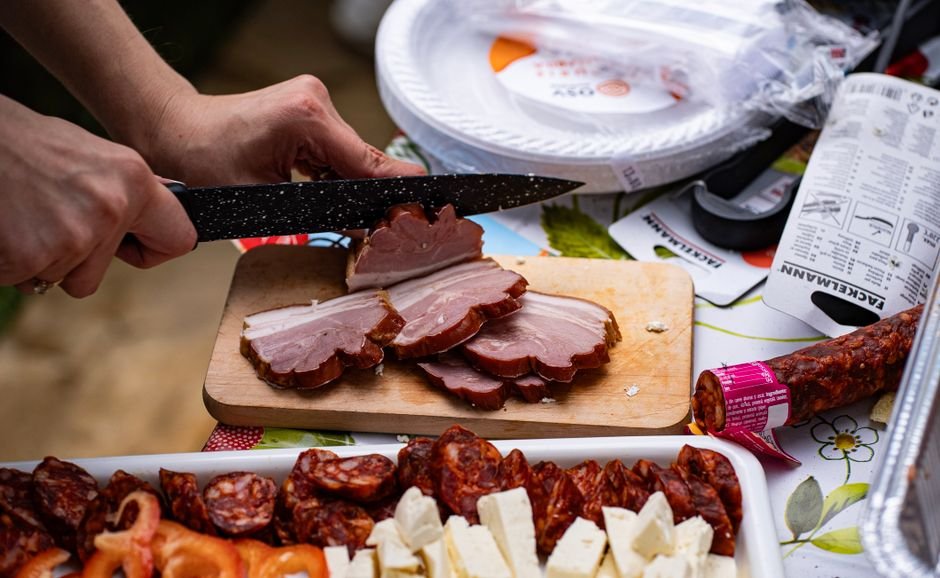
Calories in Swiss Cheese by Serving Size
| Serving | Calories | Protein | Carbs | Fat |
|---|---|---|---|---|
| 1 serving 2.7 oz (77 g) | 236 | 9.8 g | 1.2 g | 21 g |
| 100 g | 307 | 13 g | 1.6 g | 27 g |
| 1 oz | 87 | 3.6 g | 0.5 g | 7.8 g |
Swiss Cheese Nutrition Facts
Per 1 serving 2.7 oz (77 g):
| Nutrient | Amount | % Daily Value* |
|---|---|---|
| Calories | 236 kcal | |
| Protein | 9.8 g | 20% |
| Total Fat | 21 g | 27% |
| Cholesterol | 47 mg | 16% |
| Sodium | 637 mg | 28% |
| Total Carbohydrate | 1.2 g | 0% |
| Dietary Fiber | 0 g | 0% |
| Total Sugars | 0 g | |
| Calcium | 57 mg | 4% |
| Iron | 0.6 mg | 3% |
| Potassium | 159 mg | 3% |
| Magnesium | 10 mg | 2% |
| Zinc | 1.7 mg | 16% |
| Phosphorus | 137 mg | 11% |
| Selenium | 5.8 mcg | 11% |
| Vitamin A (RAE) | 77 mcg | 9% |
| Thiamin (B1) | 0.2 mg | 16% |
| Riboflavin (B2) | 0.1 mg | 9% |
| Niacin (B3) | 2.2 mg | 14% |
| Vitamin B6 | 0.1 mg | 6% |
| Folate (DFE) | 2.3 mcg | 1% |
| Vitamin B12 | 1.3 mcg | 56% |
Where the calories come from: 81% fat · 17% protein · 2% carbs
*Percent Daily Values are based on a 2,000-calorie diet (FDA reference values). Source: USDA FoodData Central — Swisswurst, pork and beef, with swiss cheese, smoked (FDC ID 174601, SR Legacy, published 4/1/2019). Values for other servings are calculated from the per-100 g data.
Sodium Content and Who Should Watch It
At 637 mg per serving, this product is high in sodium—one serving alone accounts for over a quarter of the recommended daily intake. The sodium comes from both the curing and smoking of the meat and the salt in the cheese.
If you enjoy this product regularly, keeping track of sodium from other meals and snacks becomes important. Choosing lower-sodium alternatives on other occasions can help balance intake.

B Vitamins From the Meat Component
Despite being a small 77 g serving, this product delivers substantial B vitamins, particularly B12 at 56% of the daily value (1.3 mcg). It also provides 14% DV of niacin (B3), 16% DV of thiamin (B1), and smaller amounts of B6 and riboflavin (B2). These come primarily from the pork and beef, not the cheese.
For those who don’t eat meat regularly, a serving of this product can be a notable source of these micronutrients, though the high sodium cost makes it better as an occasional food than a staple B vitamin source.
Minimal Carbohydrates and Sugars
This product contains only 1.2 g of carbohydrates and 0 g of sugar per serving, making it suitable for low-carb or ketogenic approaches. The carbs that are present are likely from minimal filler or processing ingredients rather than from the cheese or meat themselves.
How Swiss Cheese Compares
Per 100 g, next to similar foods in our database:
| Food (100 g) | Calories | Protein | Carbs | Fat |
|---|---|---|---|---|
| Swiss Cheese | 307 | 13 g | 1.6 g | 27 g |
| Feta Cheese Crumbles | 273 | 20 g | 5.6 g | 19 g |
| Chicken Thigh | 193 | 17 g | -0.2 g | 13 g |
| Ricotta Cheese | 157 | 7.8 g | 6.9 g | 11 g |
| Turkey Sausage | 155 | 19 g | 0.5 g | 8.1 g |
| Beef Steak | 149 | 21 g | 0.2 g | 6.5 g |
Swiss Cheese FAQ
How much vitamin B12 is in Swiss cheese?
One serving (77 g) contains 1.3 mcg of B12, which is 56% of the daily value. This amount comes from the meat (pork and beef) in this smoked sausage product, not primarily from the cheese itself.
Is Swiss cheese high in calcium?
This product provides only 57 mg of calcium per serving (4% DV), which is modest. The meat component dilutes the cheese's calcium contribution; pure cheese typically has more calcium per serving than this mixed meat-and-cheese sausage.
Can I eat this on a low-carb diet?
Yes, with only 1.2 g of carbohydrates and 0 g of sugar per serving, it fits low-carb guidelines. However, the 637 mg of sodium and 236 calories from fat should factor into your overall meal planning.
Why is Swiss cheese so high in sodium?
Sodium comes from both the curing and smoking process used to preserve the sausage meat and from the salt naturally present in cheese. At 637 mg per serving, it's typical for processed smoked sausage products.
The Bottom Line
Swiss cheese (this smoked pork and beef sausage) is calorie-dense and very high in sodium, making it better suited as a flavoring addition than a regular main dish. It does offer solid protein and notably high B12, but the fat content and sodium load mean portion awareness matters.