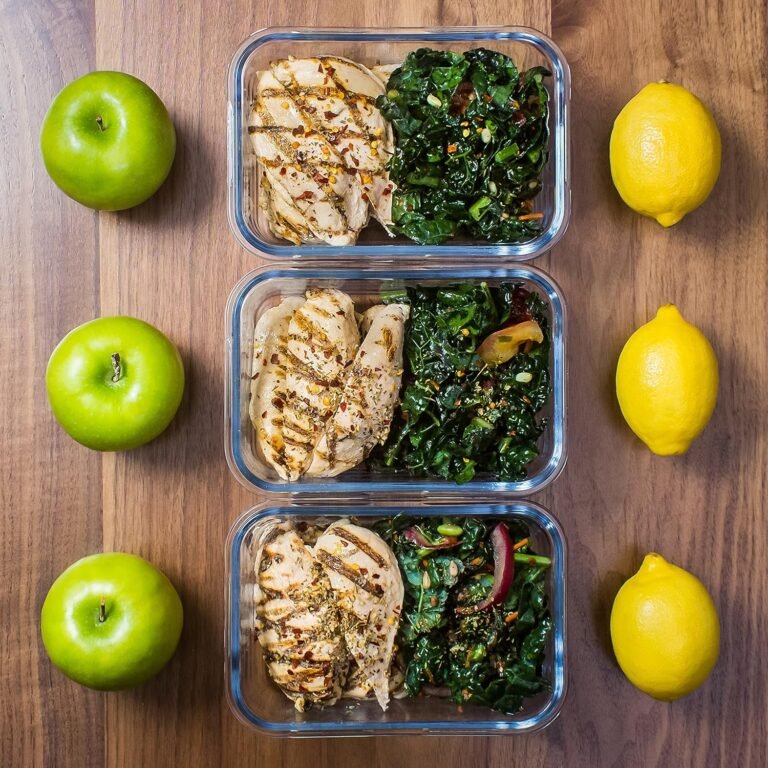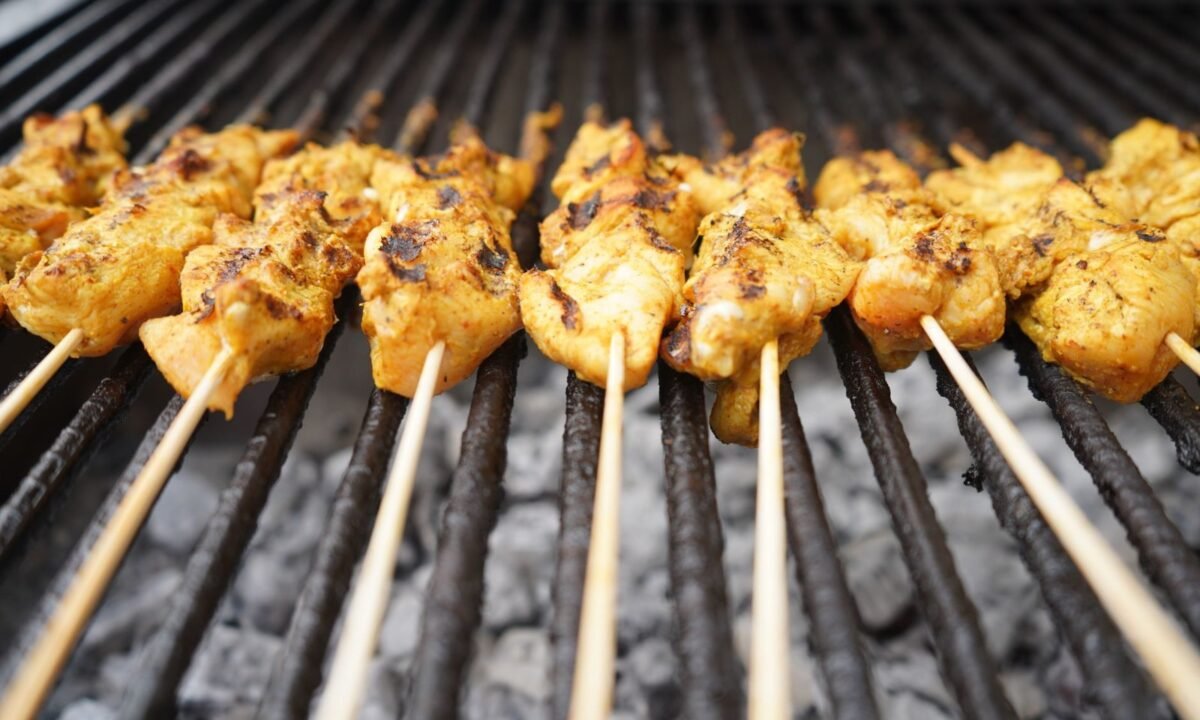
Chicken souvlaki is one of the most recognizable street foods in Greece: bite-sized pieces of chicken marinated in lemon, olive oil and oregano, threaded onto skewers and cooked over high heat until charred at the edges. It is a dish that tastes like a special occasion but comes together on an ordinary weekday, especially when you keep the marinade simple and the cooking method direct.
This version is built for lunch. The chicken marinates for as little as 20 minutes, cooks in about 10 minutes on a grill pan, outdoor grill or broiler, and is served with a classic Greek salad of tomato, cucumber, red onion, olives and feta. The result is a plate with plenty of protein, vegetables and healthy fats, and very little cleanup.
Below you will find the ingredient choices that matter, a step-by-step method with tips on getting good char without drying out the meat, safe storage guidance, and ideas for lighter swaps and side dishes.
Full recipe below
Chicken Souvlaki with Greek Salad
Why this recipe works
Chicken thigh is the best cut for souvlaki. It has a little more fat than breast meat, so it stays juicy over high heat and forgives a few extra minutes on the skewer. Boneless, skinless thighs cook quickly and evenly, which matters when you want lunch on the table without a long wait.
The marinade does two jobs. Lemon juice and red wine vinegar add acidity that tenderizes the surface of the meat, while olive oil carries garlic, oregano and black pepper into every bite. Because the acid works fast, keep the marinade time to 20 to 60 minutes; longer can make the outside mealy.
Pairing the skewers with a Greek salad balances the meal. Tomatoes, cucumber and red onion add crunch and freshness, olives and feta add savory salt, and the dressing adds healthy fats. For a broader look at how this kind of plate fits your day, the USDA MyPlate guidance on filling half your plate with vegetables is a useful reference.
Ingredients you need for chicken souvlaki, and how to choose them
- Chicken thighs, 1.5 lb boneless and skinless: Choose thighs of similar size so they cook at the same rate. Cut each thigh into 1.5-inch chunks. Chicken breast works too, but it dries out faster; reduce the cooking time and check early.
- Extra-virgin olive oil, 3 tbsp: Use a fruity, mild oil you would happily eat on its own. It is the base of the marinade and also helps prevent sticking on the grill.
- Fresh lemon, juice of 2 lemons (about 1/4 cup) plus wedges: Fresh juice has a brightness that bottled juice lacks. Zest one lemon into the marinade for extra aroma.
- Red wine vinegar, 1 tbsp: Adds a sharp note that balances the lemon. White wine vinegar is an acceptable substitute.
- Dried oregano, 2 tsp: Greek oregano is the traditional choice and has a robust, slightly peppery flavor. Crumble it between your fingers before adding to release its oils.
- Garlic, 4 cloves, minced: Fresh garlic is essential here. Mince it finely or grate it so it blends into the marinade.
- Kosher salt, 1 tsp, and black pepper, 1/2 tsp: Season the marinade lightly, then taste the cooked chicken and adjust at the table.
- Skewers, 8 wooden or metal: Soak wooden skewers in water for 30 minutes so they do not scorch.
- Greek salad: 2 medium tomatoes, 1 English cucumber, 1/2 small red onion, 1/2 cup Kalamata olives and 4 oz block feta: Buy feta in a block packed in brine and crumble it yourself; pre-crumbled versions are often dry.
- Salad dressing: 3 tbsp extra-virgin olive oil, 1 tbsp red wine vinegar, 1/2 tsp dried oregano and a pinch of salt. Dress the salad just before serving so the cucumber stays crisp.
How to make chicken souvlaki step by step, with tips for char and juiciness
- Cut the chicken. Trim any visible fat and cut the thighs into roughly 1.5-inch pieces so each one cooks through and gets a bit of char.
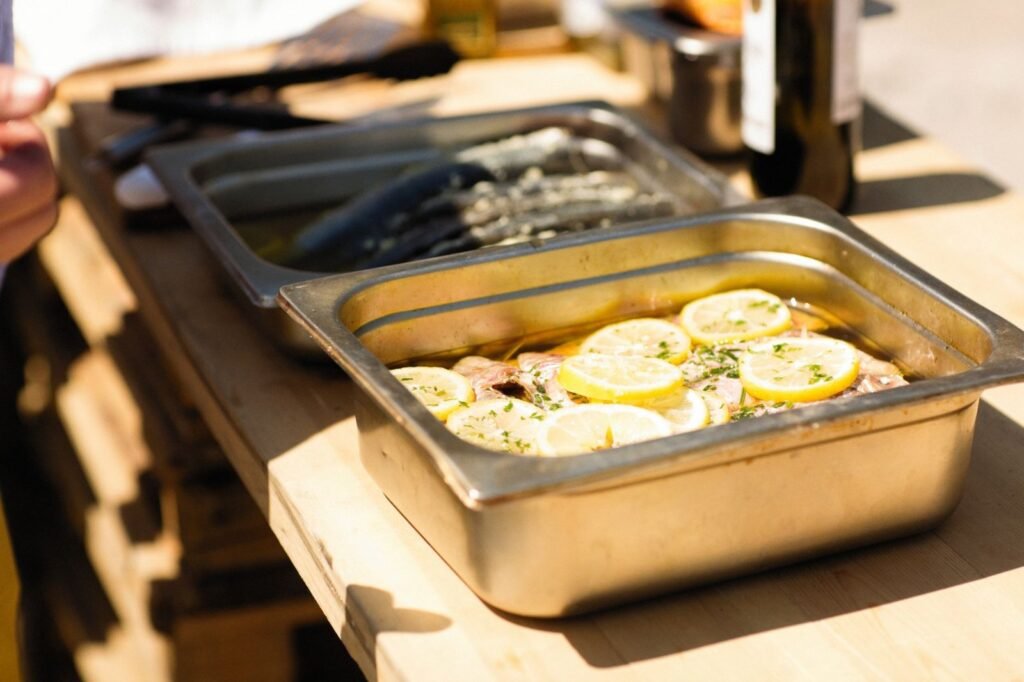
- Make the marinade. In a large bowl, whisk the olive oil, lemon juice, lemon zest, red wine vinegar, oregano, minced garlic, salt and pepper until combined.
- Marinate the chicken. Add the chicken to the bowl, toss to coat and cover. Refrigerate for 20 to 60 minutes. Do not exceed 2 hours, because the acid can make the surface of the meat mushy.
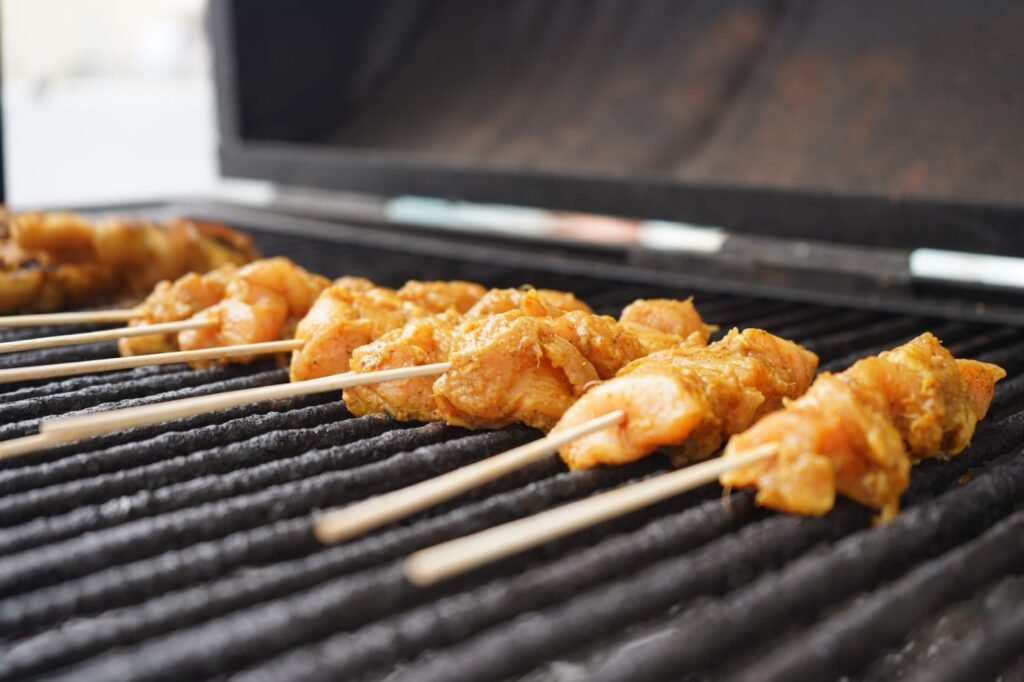
- Prepare the skewers. Thread 4 to 5 pieces of chicken onto each skewer, leaving a small gap between pieces so heat can circulate. Discard any leftover marinade that touched raw chicken, or boil it for at least 1 minute before using it as a sauce.
- Preheat your cooking surface. Heat a grill, grill pan or cast-iron skillet over medium-high heat until very hot, about 5 minutes. Lightly oil the grates or pan.
- Cook the skewers. Place the skewers on the hot surface and cook for 3 to 4 minutes per side, turning until the chicken has char marks on all sides and reaches an internal temperature of 165°F, as confirmed by a FoodSafety.gov safe minimum internal temperature chart. Thigh meat is also tender at a slightly higher temperature, but 165°F is the safe target.
- Rest briefly. Move the skewers to a plate and rest for 3 minutes. This lets the juices redistribute so the meat stays moist when you bite into it.
- Make the Greek salad. Cut the tomatoes into wedges, slice the cucumber into half-moons, thinly slice the red onion and combine with the olives. Whisk the dressing ingredients and pour over the vegetables just before serving. Top with the feta block sliced or crumbled.
- Serve. Plate two skewers per person alongside a generous scoop of salad and lemon wedges for squeezing over the chicken.
Storage and reheating chicken souvlaki
Cooked chicken souvlaki keeps well in the refrigerator for up to 3 to 4 days. Store the chicken in an airtight container, and keep the salad separate, because the dressed vegetables soften and release water within hours. The FoodSafety.gov cold food storage chart lists the same 3 to 4 day window for cooked poultry, so refrigerate leftovers within two hours of cooking.
To reheat, warm the chicken in a skillet over medium heat with a splash of water or lemon juice for 2 to 3 minutes, or in a 350°F oven for about 10 minutes, until it is hot throughout. Avoid overheating, which toughens thigh meat. Chicken can be frozen for up to 3 months; thaw it overnight in the refrigerator before reheating.
Raw marinated chicken should not sit out at room temperature and should not be marinated for more than 2 hours. Store the raw chicken in its marinade in the refrigerator and cook within 1 to 2 days of marinating.
Common mistakes to avoid when making souvlaki chicken
- Marinating too long: Acid from lemon and vinegar breaks down the surface of the meat. Stick to 20 to 60 minutes for the best texture.
- Crowding the pan or grill: Too many pieces at once lower the surface temperature and steam the chicken instead of searing it. Cook in batches if needed.
- Skipping the preheat: Cold grates produce pale, rubbery chicken. Let the cooking surface get very hot before the skewers go on.
- Cooking thighs to the same time as breast meat: Thigh chunks often need a minute or two longer than breast pieces, so check with a thermometer rather than relying on color alone.
- Dressing the salad too early: Cucumber and tomato release liquid quickly. Dress just before you serve to keep the salad crisp.
- Using pre-crumbled feta: Pre-crumbled cheese is often dry and dusted with anti-caking agents. A block in brine has better flavor and texture.
Swaps and variations, including a lighter chicken souvlaki option
- Lighter option with chicken breast: Use 1.5 lb boneless, skinless chicken breast and reduce the cooking time to about 2 to 3 minutes per side. Breast meat is leaner, so the total fat drops noticeably, and the recipe still delivers plenty of protein.
- Lighter dressing: Replace half of the olive oil in the salad dressing with extra lemon juice, and use 2 oz of feta instead of 4 oz. This keeps the flavor bold with less fat and sodium.
- Pork shoulder souvlaki: Cut 1.5 lb pork shoulder into 1-inch cubes and marinate the same way. Cook to 145°F with a 3-minute rest, following the same FoodSafety.gov safe minimum internal temperature guidance.
- Yogurt-based marinade: Stir 1/4 cup plain Greek yogurt into the marinade for a tender, creamy coating. Yogurt is milder than lemon, so you can marinate for up to 4 hours.
- Vegetarian souvlaki: Thread halved mushrooms, zucchini chunks and bell pepper pieces onto skewers and brush with the same marinade. Cook 2 to 3 minutes per side until tender.
What to serve with chicken souvlaki
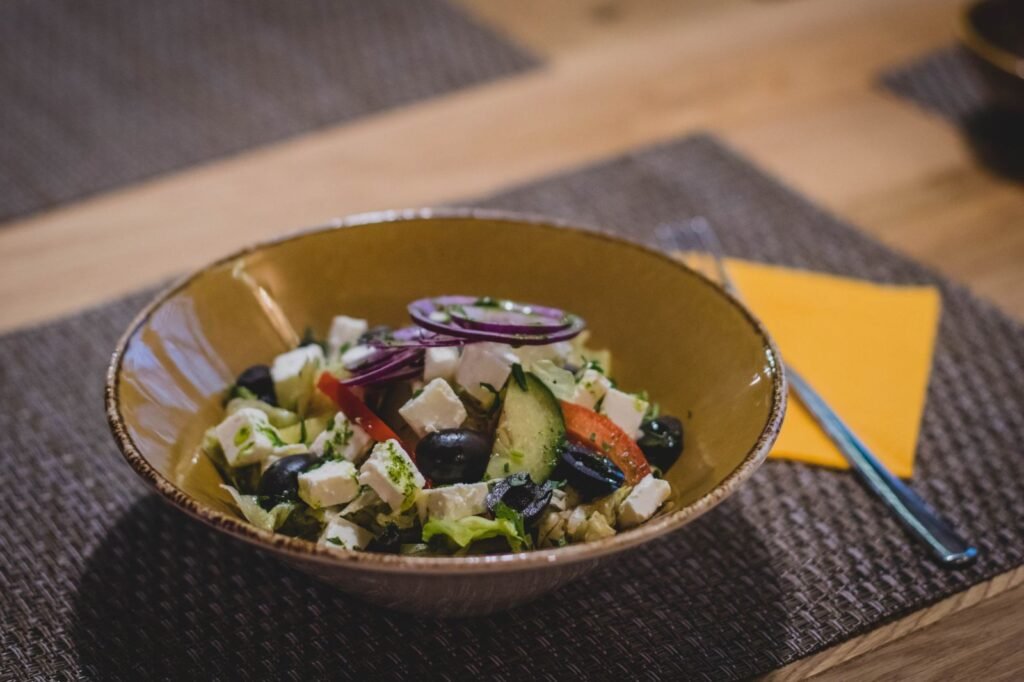
A Greek salad is the classic partner, but warm pita and tzatziki are equally traditional. Warm pita brushed lightly with olive oil and toasted in a dry skillet gives you something to wrap the chicken in, and a spoonful of cucumber-yogurt tzatziki adds cooling contrast to the lemon and oregano.
For a fuller lunch, serve the skewers over a simple grain. Cooked brown rice or warm farro soaks up the juices and adds fiber. If you want a bowl format, check out our Mediterranean quinoa salad for another lunch that pairs well with the same flavors.
For more lunch ideas that fit a high-protein routine, our Greek yogurt chicken salad and turkey and hummus lettuce wraps are good options to rotate through the week. For guidance on reading the calorie and nutrient numbers on packaged foods like pita and feta, the FDA guide to the Nutrition Facts label explains what each line means.
Frequently asked questions
Can I make chicken souvlaki without a grill?
Yes. A grill pan or heavy cast-iron skillet over medium-high heat gives good char. You can also broil the skewers on a rack set about 4 inches from the heat for 3 to 4 minutes per side.
How long should I marinate chicken souvlaki?
Marinate for 20 to 60 minutes for the best texture. Because lemon and vinegar are acidic, going much beyond 2 hours can make the outside of the chicken mushy.
What internal temperature should chicken souvlaki reach?
Cook chicken to 165°F, which is the safe minimum internal temperature for poultry. Use an instant-read thermometer inserted into the thickest piece to check.
Can I use chicken breast for chicken souvlaki?
Yes. Chicken breast is leaner, so it makes a lighter souvlaki, but it dries out faster. Cut it into similar-size pieces and cook 2 to 3 minutes per side, checking that it reaches 165°F.
Is chicken souvlaki with Greek salad healthy for lunch?
It can be. The chicken provides lean protein, and the salad adds vegetables and healthy fats from olive oil and olives. Using chicken breast, less feta and a lighter dressing lowers the calorie and fat content further.
Can I meal prep chicken souvlaki?
Yes. Cook the chicken and store it separately from the salad in the refrigerator for up to 3 to 4 days. Assemble the salad and dressing fresh each day for the best crunch.
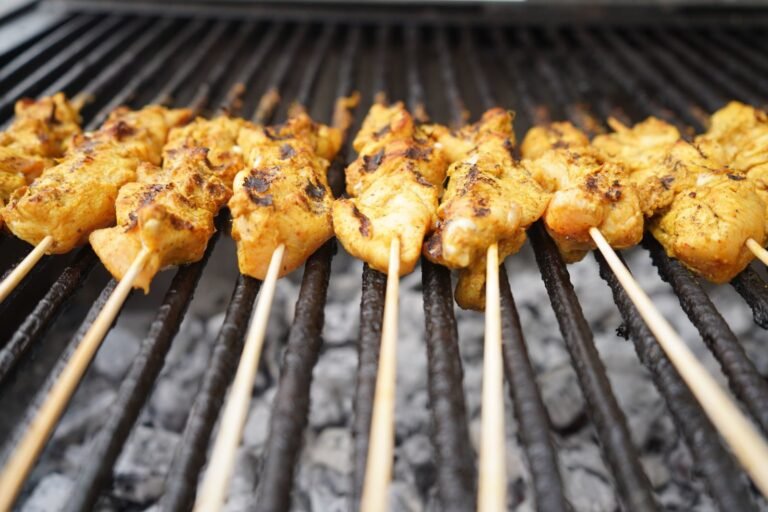
Chicken Souvlaki with Greek Salad
Juicy lemon-oregano chicken skewers served with a crisp Greek salad for a bright, high-protein lunch.
Ingredients
For the chicken
For the Greek salad
For the dressing
For serving
Instructions
- Cut the chicken thighs into roughly 1.5-inch pieces, trimming any visible fat.
- Whisk the olive oil, lemon juice, lemon zest, red wine vinegar, oregano, garlic, salt and pepper in a large bowl.
- Add the chicken, toss to coat, cover and refrigerate for 20 to 60 minutes.
- Thread 4 to 5 pieces of chicken onto each of 8 soaked skewers, leaving small gaps between pieces.
- Heat a grill, grill pan or cast-iron skillet over medium-high heat for about 5 minutes and lightly oil the surface.
- Cook the skewers 3 to 4 minutes per side until charred on all sides and the chicken reaches 165°F.
- Rest the skewers on a plate for 3 minutes.
- Cut the tomatoes into wedges, slice the cucumber and red onion, and combine with the olives in a large bowl.
- Whisk the olive oil, red wine vinegar, oregano and a pinch of salt for the dressing and pour over the salad just before serving.
- Top the salad with crumbled feta and serve 2 skewers per person with the salad and lemon wedges.
Notes
- Leftover marinade that touched raw chicken should be discarded or boiled for at least 1 minute before serving.
- Chicken keeps refrigerated for 3 to 4 days; store the salad separately.
- For a lighter version, use chicken breast and reduce the feta to 2 oz.
Nutrition per serving
- Calories
- 509
- Protein
- 39.2g
- Carbs
- 10.3g
- Fat
- 34.6g
- Saturated fat
- 8.8g
- Fiber
- 2.5g
- Sugar
- 4.1g
- Sodium
- 1201mg
- Cholesterol
- 185mg