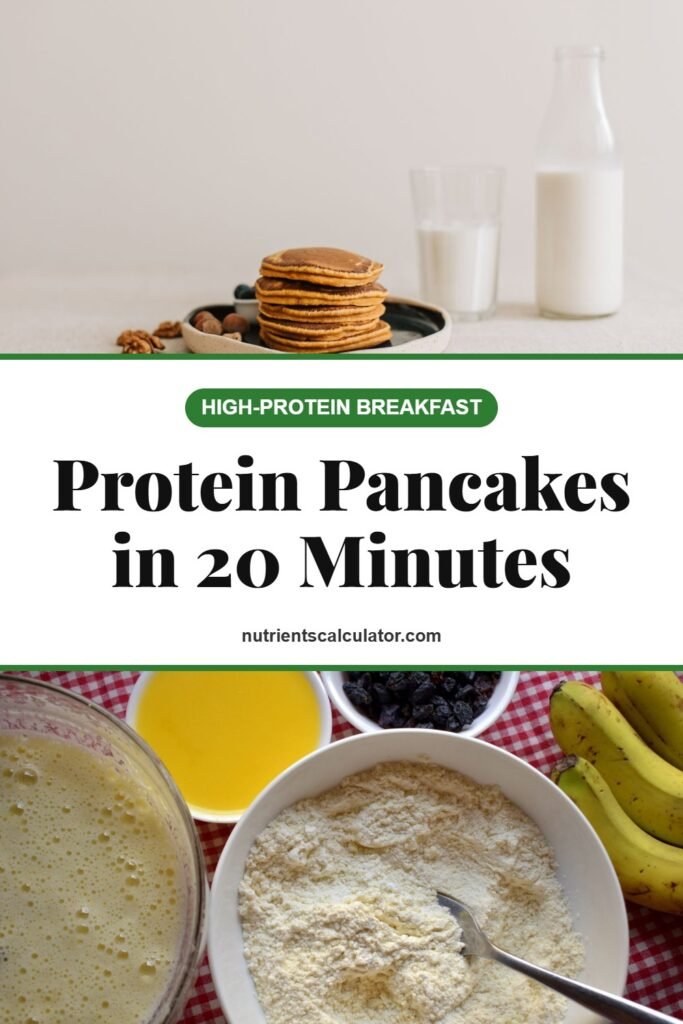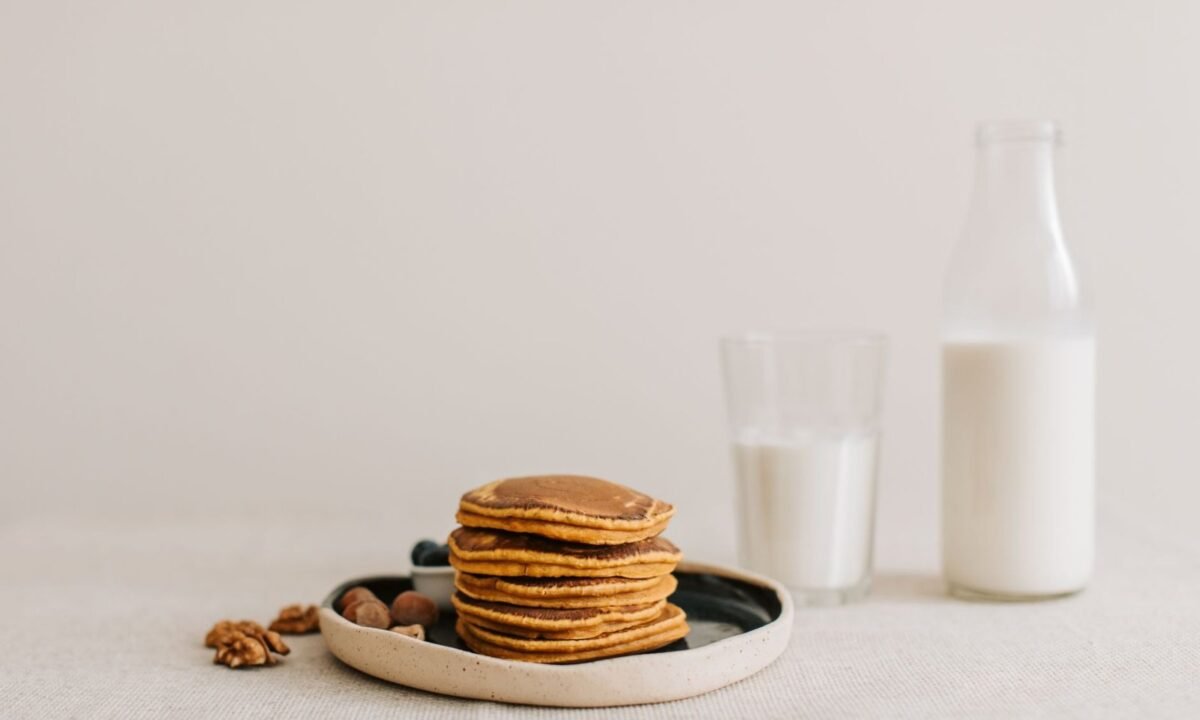
Protein pancakes are one of the easiest ways to turn a familiar weekend breakfast into a meal that keeps you full until lunch. This version uses rolled oats and a ripe banana for natural sweetness and body, with eggs and plain Greek yogurt adding the protein that makes these stack up nicely against a plain carbohydrate-only pancake.
You need only one blender or bowl, a nonstick pan and about 20 minutes. The batter comes together in a couple of minutes, and the pancakes cook in roughly two minutes per side. Nothing here requires special flours or protein powder, though a scoop of unflavored or vanilla protein powder can be added if you want even more protein per serving.
The result is a soft, slightly tender pancake with a golden edge and a flavor that tastes like banana bread without the sugar overload. Once you have the method down, you can adjust sweetness, add spices or fruit, and make a big batch for the week.
Full recipe below
Protein Pancakes with Oats and Banana
Why this recipe works for high-protein pancakes
The structure of these protein pancakes comes from three ingredients working together. Rolled oats, blended into a flour, provide slow-digesting carbohydrates and fiber. Eggs bind the batter and add high-quality protein. Plain Greek yogurt adds more protein, a tender crumb and a slight tang that keeps the pancakes from tasting flat. The banana contributes sweetness and moisture so you can skip added sugar altogether.
Blending the oats first is the key step. Whole rolled oats left in the batter can give a gritty, grainy texture, while oats ground into a fine flour create a smooth batter that spreads evenly in the pan. Letting the batter rest for five minutes gives the oats time to absorb liquid, which thickens the batter and reduces the chance of thin, fragile pancakes.
Because the batter is protein-rich and somewhat thick, the pancakes set quickly and hold their shape when flipped. That makes them a good option for a quick weekday breakfast as well as a slow weekend brunch. For a broader look at how protein fits into a balanced day, the Dietary Guidelines for Americans offer useful context on daily intake for adults.
Ingredients for protein pancakes and how to choose them
- 1 cup (about 3 oz) old-fashioned rolled oats: Use certified gluten-free oats if needed. Quick oats also work, but avoid steel-cut oats, which will stay chewy and gritty.
- 1 medium ripe banana (about 4.5 oz peeled): Choose one with plenty of brown spots. Riper bananas are sweeter and blend more smoothly.
- 2 large eggs (about 3.4 oz total out of shell): Fresh eggs work best. Bring them to room temperature for a smoother batter if you have the time.
- 1/2 cup (about 4.2 oz) plain nonfat Greek yogurt: Plain, unsweetened yogurt keeps the sugar low. Regular plain yogurt works but makes a slightly thinner batter.
- 1/3 cup (about 2.7 oz) unsweetened almond milk or skim milk: Add a splash more if the batter is too thick after resting.
- 1 tsp baking powder: Check that it is fresh. Old baking powder produces flat pancakes.
- 1/2 tsp ground cinnamon and 1/2 tsp pure vanilla extract: Optional but they add warmth and a bakery-like aroma.
- 1/4 tsp fine sea salt: Salt sharpens the flavor of the banana and oats.
- 1 tsp neutral oil or cooking spray, for the pan: A thin film of oil gives a golden edge without greasy pancakes.
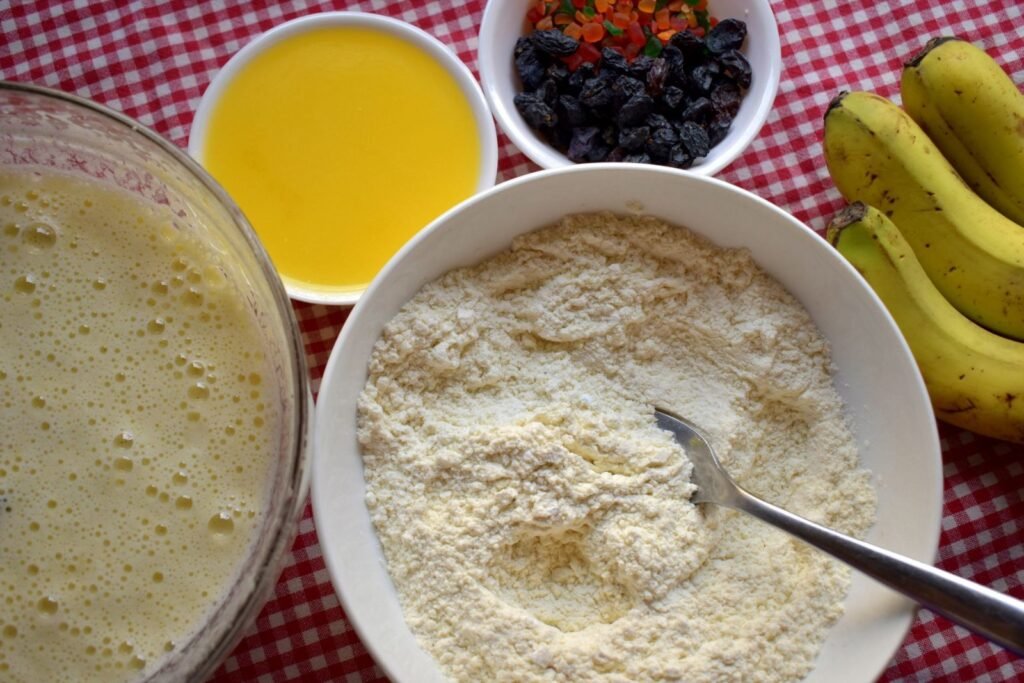
How to make these oat and banana protein pancakes step by step
- Place the oats in a blender and pulse into a fine flour, about 30 to 45 seconds. Measure out 1 cup after blending so the measurement is accurate.
- Add the banana, eggs, Greek yogurt, milk, vanilla and cinnamon to the blender with the oat flour, along with the baking powder and salt. Blend until completely smooth, about 30 seconds, scraping down the sides once.
- Let the batter rest for 5 minutes. It will thicken noticeably as the oats hydrate. If it is still very thick and will not pour, add milk 1 tablespoon at a time until it falls off a spoon in a slow ribbon.
- Heat a nonstick skillet or griddle over medium-low heat for about 2 minutes. Lightly coat it with oil or cooking spray. Medium-low heat matters because the banana sugars can brown quickly.
- Pour about 1/4 cup of batter per pancake into the pan, leaving room between them. Cook for 2 to 3 minutes, until bubbles form across the surface and the edges look set.
- Flip carefully with a thin spatula and cook for another 1 to 2 minutes, until the underside is golden and the center springs back when pressed.
- Transfer the pancakes to a plate and keep them warm in a 200°F oven while you finish the batter. Serve immediately for the best texture.
- Make sure the pancakes are cooked through. The egg in the batter should be fully set, and the center should not look wet or glossy. If you prefer to check, a thermometer reading of 160°F confirms eggs are safely cooked, per FoodSafety.gov safe minimum internal temperatures.

Storage and reheating leftover protein pancakes
Cooled pancakes keep well in the refrigerator for up to 4 days in an airtight container. Layer them with parchment paper so they do not stick together. Because the batter contains eggs and Greek yogurt, refrigerate leftovers promptly. The FoodSafety.gov cold food storage chart is a helpful reference for how long cooked foods hold up in the fridge.
For longer storage, freeze the cooled pancakes on a baking sheet for about an hour, then move them to a freezer bag. They keep for up to 2 to 3 months. Reheat from frozen in a toaster, a toaster oven at 350°F for 5 to 7 minutes, or a microwave for 60 to 90 seconds. A microwave can make them soft, so finish a few seconds in a dry skillet if you want some crisp edges.
If you batch cook on Sunday, you can also make the batter ahead and refrigerate it for up to 24 hours. Stir well before cooking, since the oats will thicken further. The pancakes made from chilled batter may need an extra splash of milk to loosen the texture.
Common mistakes to avoid with protein pancakes
- Using heat that is too high: The banana and yogurt cause the outside to brown before the center sets. Keep the burner at medium-low to medium.
- Skipping the rest time: Without 5 minutes of rest, the oats stay grainy and the pancakes can fall apart when flipped.
- Overcrowding the pan: Crowded pancakes steam rather than brown and are harder to flip. Cook in batches if needed.
- Flipping too early: Wait for bubbles to form and the edges to look dry. Flipping early tears the pancake.
- Using overripe or underripe bananas: Very green bananas taste starchy and can make the batter gummy. Choose a ripe, spotty banana.
- Overloading with toppings: Heavy syrup can add a lot of sugar. A small drizzle of maple syrup or fresh berries keeps the meal balanced.
Swaps and variations for protein pancakes, including a lighter option
- Lighter option: Use 2 egg whites in place of 1 whole egg and swap the milk for water. This lowers the fat and calories while keeping a good amount of protein. Expect a slightly less rich flavor.
- Protein powder boost: Replace 1/4 cup of the oat flour with 1 scoop of vanilla or unflavored protein powder. Add an extra tablespoon of milk, since protein powder absorbs more liquid.
- Chocolate banana version: Stir in 1 tbsp unsweetened cocoa powder and a few dark chocolate chips for a treat-style breakfast.
- Blueberry oat version: Fold in 1/3 cup fresh or frozen blueberries after the batter is made. Frozen berries should be used straight from the freezer to prevent the batter from turning purple.
- Dairy-free version: Use a plant-based Greek-style yogurt and unsweetened almond or oat milk. The pancakes will be slightly less tender but still hold together well.
- Apple cinnamon version: Replace the banana with 1/2 cup finely grated apple and increase the cinnamon to 1 tsp. Add a splash more milk, as apples release more moisture.
What to serve with high-protein banana pancakes
These pancakes are satisfying on their own, but a few simple additions round out the plate. Fresh berries or sliced strawberries add vitamin C and a bright contrast to the warm, sweet oat base. A spoonful of extra Greek yogurt or a dollop of nut butter adds more protein and healthy fats.
For a fuller breakfast, pair them with scrambled eggs or a side of turkey sausage. If you want to think about the plate as a whole, the USDA MyPlate guidance suggests filling half your plate with fruits and vegetables, which fits well with a berry topping and a handful of spinach on the side.
Internal links to other breakfasts can help plan the week. Spinach mushroom egg bites make a savory companion that reheats well, and peanut butter overnight oats are a good no-cook option for busy mornings when you do not have time to stand at the stove.
Frequently asked questions
Are protein pancakes healthy?
They can be a nutritious breakfast. The oats provide fiber and slow-digesting carbohydrates, eggs and Greek yogurt add protein, and the banana gives sweetness without added sugar. Portion size and toppings matter most.
How much protein is in these protein pancakes?
A batch of this recipe, divided into two servings, provides roughly 20g of protein per serving. Exact numbers depend on the brand of yogurt and milk you use. Check the FDA guide to the Nutrition Facts label on your products for precise figures.
Can I make protein pancakes without banana?
Yes. Replace the banana with 1/2 cup of unsweetened applesauce or grated apple. You may need an extra tablespoon of milk, and the pancakes will be less sweet, so add a little maple syrup if you prefer.
Can protein pancakes be made with protein powder?
Yes. Replace about 1/4 cup of the oat flour with one scoop of protein powder and add a tablespoon or two of extra milk, since powder absorbs more liquid. Unflavored or vanilla powder works best.
Why are my protein pancakes falling apart?
The batter is usually too thin or was flipped too early. Let it rest 5 minutes so the oats thicken, and wait until bubbles form and the edges look dry before flipping. A slightly thicker batter holds its shape better.
How do I know when protein pancakes are fully cooked?
The center should be set and no longer wet or glossy, and the pancake should spring back when pressed. Because the batter contains eggs, a reading of 160°F confirms they are fully cooked.
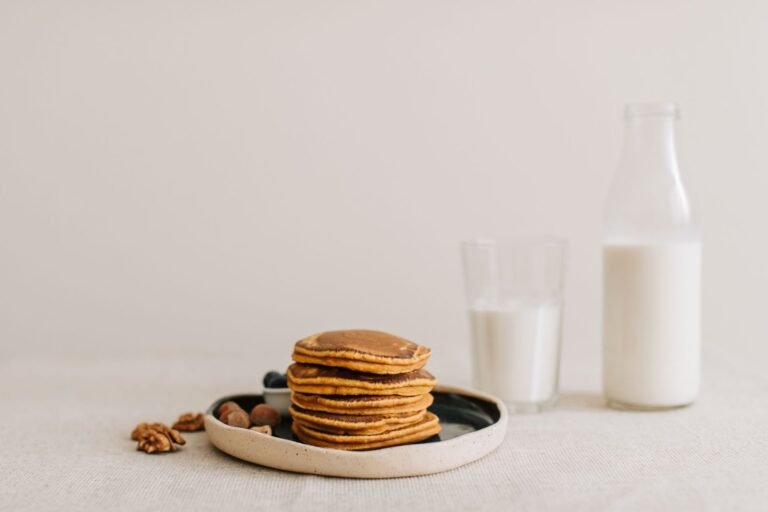
Protein Pancakes with Oats and Banana
Fluffy, naturally sweet protein pancakes made with rolled oats, a ripe banana, eggs and Greek yogurt, ready in about 20 minutes.
Ingredients
Instructions
- Blend the oats into a fine flour, about 30 to 45 seconds, and measure out 1 cup.
- Add the banana, eggs, Greek yogurt, almond milk, vanilla, cinnamon, baking powder and salt to the blender and blend until smooth.
- Rest the batter for 5 minutes, then add milk 1 tablespoon at a time if it is too thick to pour.
- Heat a nonstick skillet over medium-low heat for about 2 minutes and lightly coat it with oil.
- Pour about 1/4 cup of batter per pancake and cook 2 to 3 minutes, until bubbles form and the edges look dry.
- Flip and cook 1 to 2 minutes more, until golden and set in the center.
- Keep finished pancakes warm in a 200°F oven while you cook the rest, and serve right away.
Notes
- Pancakes are fully cooked when the center is set and reads 160°F.
- Refrigerate leftovers up to 4 days or freeze up to 3 months.
- For a lighter version, use 2 egg whites in place of 1 whole egg and water instead of milk.
Nutrition per serving
- Calories
- 296
- Protein
- 20.6g
- Carbs
- 44.6g
- Fat
- 10.9g
- Saturated fat
- 2.6g
- Fiber
- 8.1g
- Sugar
- 10.1g
- Sodium
- 412mg
- Cholesterol
- 189mg