Part of our guide: Calories in Alcohol: Beer, Wine, Spirits and Cocktails Compared
Key takeaways
- Sugary drinks are one of the biggest sources of added sugar: a 12 oz can of cola has about 37 g of sugar (9 teaspoons) and 155 calories.
- A 16 oz bottle of sweet tea can top 45 g of sugar, almost the whole 50 g Daily Value.
- Liquid calories don’t fill you up, so they add to what you eat instead of replacing it.
- Swapping just one sugary drink a day for water or a sugar-free drink saves 100–200 calories.
It’s easy to overlook what you drink. A can of soda with lunch, a bottled iced tea in the afternoon and a flavored coffee on the way home can add 500 calories and more than 25 teaspoons of sugar to a day, without you feeling like you’ve eaten anything. Here’s how popular sugary drinks compare, using USDA data, and the easiest ways to cut back.
Why sugary drinks matter
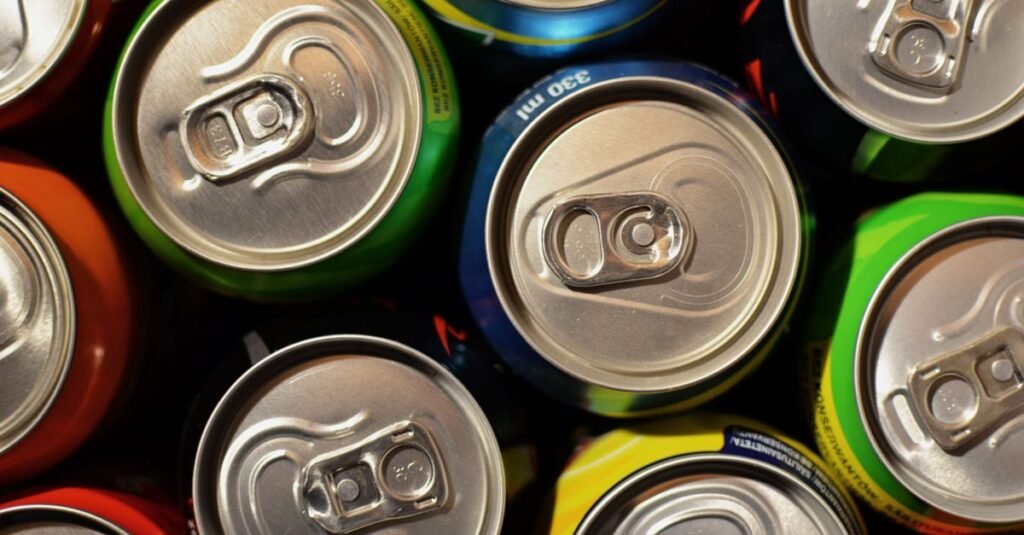
- They’re a top source of added sugar in the American diet.
- Liquid calories don’t register like food. You don’t eat less at dinner because you drank a soda at lunch.
- They add up fast. One 155-calorie can a day is over 56,000 calories a year.
The label Daily Value for added sugar is 50 g (FDA), and the American Heart Association recommends no more than about 25 g a day for most women and 36 g for most men (AHA). The 2025–2030 Dietary Guidelines go further, suggesting about 10 g of added sugar per meal (summary). A single can of soda goes well past that.
Etekcity Food Scale
0.1g accuracy — the perfect companion for exact portions.
Calories and sugar in 13 popular drinks
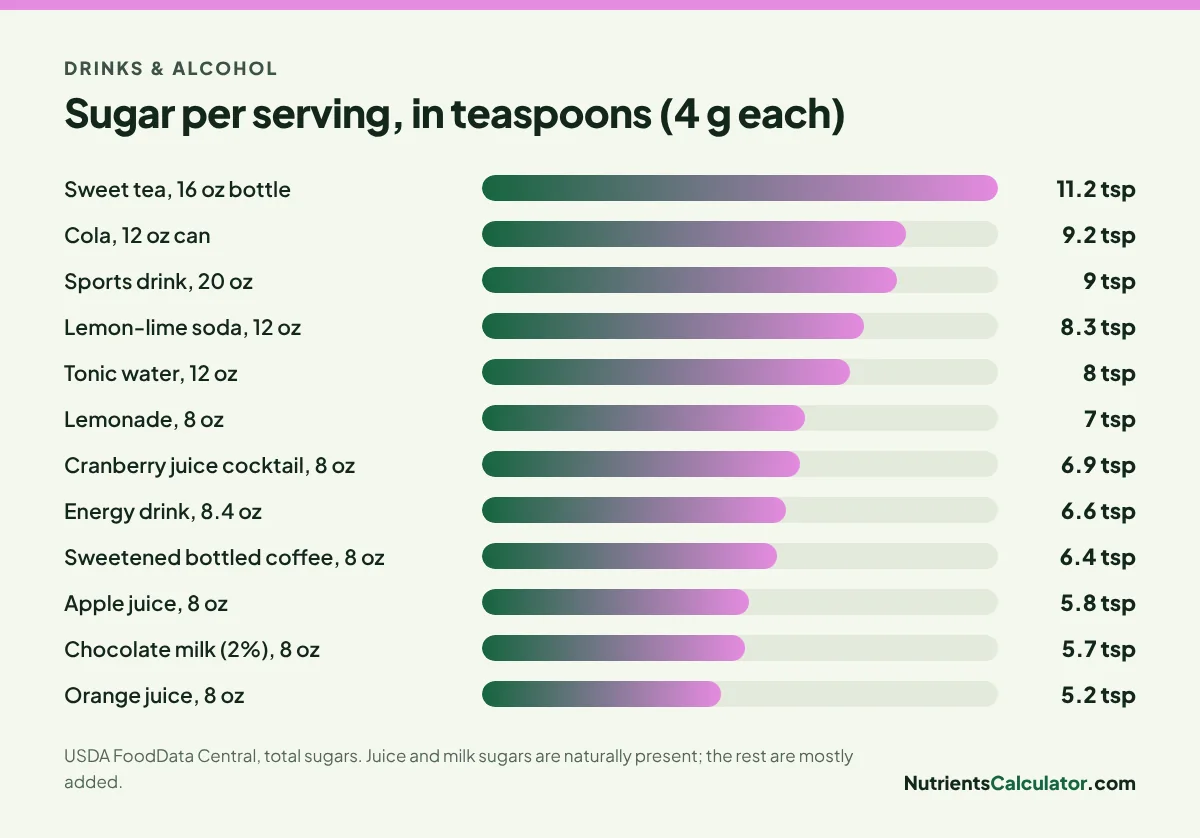
From USDA FoodData Central (one teaspoon of sugar is about 4 g):
| Drink | Serving | Calories | Sugar |
|---|---|---|---|
| Sweet tea, bottled | 16 oz | about 213 | 45 g (11 tsp) |
| Cola | 12 oz can | about 155 | 37 g (9 tsp) |
| Sports drink | 20 oz bottle | about 189 | 36 g (9 tsp) |
| Lemon-lime soda | 12 oz | about 148 | 33 g (8 tsp) |
| Tonic water | 12 oz | about 124 | 32 g (8 tsp) |
| Ginger ale | 12 oz | about 124 | 33 g (8 tsp) |
| Lemonade | 8 oz | about 110 | 28 g (7 tsp) |
| Cranberry juice cocktail | 8 oz | about 125 | 27 g (7 tsp) |
| Energy drink (Red Bull) | 8.4 oz can | about 111 | 26 g (6.6 tsp) |
| Sweetened bottled milk coffee | 8 oz | about 170 | 26 g (6.4 tsp) |
| Apple juice, 100% | 8 oz | about 110 | 23 g (5.8 tsp) |
| Chocolate milk, 2% | 8 oz | about 187 | 23 g (5.7 tsp) |
| Orange juice, 100% | 8 oz | about 112 | 21 g (5.2 tsp) |
Two notes. Bottles are often bigger than these serving sizes: a 20 oz soda is about 1.7 cans. And tonic water surprises many people, since it tastes bitter but has nearly as much sugar as cola. If you drink gin and tonic, see low-calorie alcoholic drinks.
What about juice and chocolate milk?
100% juice contains natural sugars rather than added sugar, along with vitamin C and potassium. But per glass it has similar calories and sugar to soda and none of the fiber of whole fruit, so it’s easy to overdo. Keep juice to a small glass, or eat an orange instead (about 62 calories with 3 g of fiber).
Chocolate milk has both added sugar and milk’s natural sugar, plus protein (about 7 g per cup) and calcium. It can be a reasonable recovery drink after long exercise, but it’s a treat rather than an everyday drink.
Coffee-shop drinks

Flavored lattes, frappés and bottled coffee drinks can carry as much sugar as soda. A cup of ready-to-drink sweetened milk coffee has about 26 g of sugar, and large café drinks with syrup and whipped cream can be much higher. Check the chain’s nutrition information, or order a smaller size with one pump of syrup. Our guide to foods with more calories than you think includes the whole-milk latte.
Easy swaps
| Instead of… | Try… | Saves about |
|---|---|---|
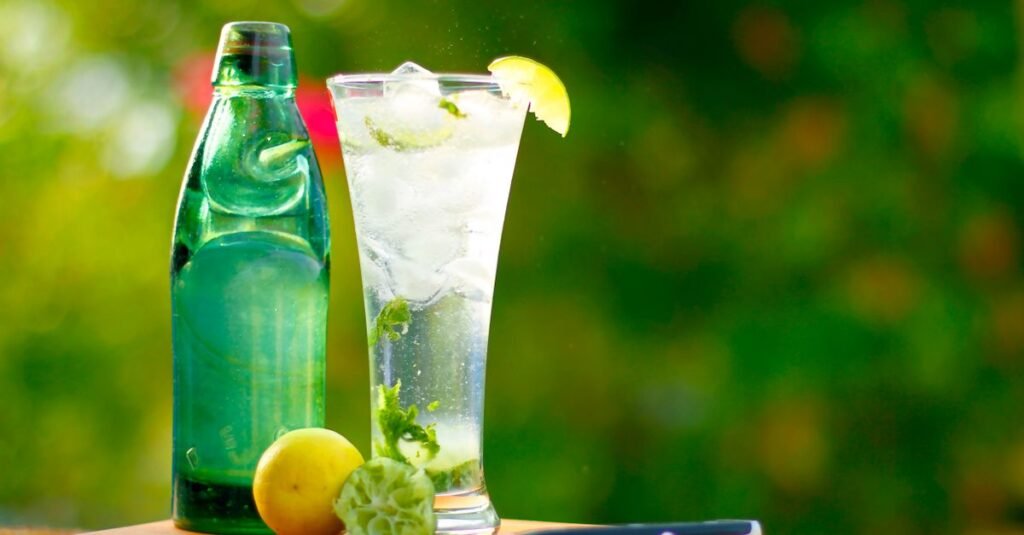
| 12 oz cola | Sparkling water with lime | 155 calories |
| 16 oz sweet tea | Unsweetened iced tea with lemon | 210 calories |
| 20 oz sports drink (no workout) | Water | 190 calories |
| 8 oz orange juice | A whole orange | 50 calories, plus fiber |
| Flavored latte | Latte with one pump of syrup, or a cappuccino | 50–150 calories |
| Regular tonic with gin | Diet tonic | 80+ calories |
How to cut back without missing it
- Swap one drink a day first, usually the one you have out of habit.
- Make water more interesting: sparkling water, fruit slices, cucumber, mint.
- Go half and half: mix juice with sparkling water, or regular soda with diet.
- Buy smaller sizes: 7.5 oz mini cans instead of 20 oz bottles.
- Keep a water bottle visible. If water is easy, you’ll drink more of it. See how to drink more water.
Track your drinks for a few days and the pattern usually becomes obvious. Our water tracker logs every drink so you can see where sugar and calories sneak in.
The bottom line
Sugary drinks deliver a lot of sugar and calories without filling you up: about 9 teaspoons in a can of cola, 11 in a bottle of sweet tea and 9 in a 20 oz sports drink. Swapping even one a day for water, sparkling water or unsweetened tea saves 100–200 calories and most of a day’s added sugar. For alcoholic drinks, see our pillar guide on calories in alcohol.
Frequently asked questions
How much sugar is in a can of soda?
A 12 oz can of regular cola has about 37 g of sugar, roughly 9 teaspoons, and about 155 calories, according to USDA data.
How much added sugar is too much per day?
The Daily Value on food labels is 50 g of added sugar. The American Heart Association suggests no more than about 25 g for most women and 36 g for most men. One can of soda can use up the whole amount.
Is fruit juice as bad as soda?
100% juice has natural sugar plus some vitamins and potassium, but it's similar in calories and sugar to soda per glass and lacks the fiber of whole fruit. Keep portions small, around 4–8 oz, or eat the fruit instead.
Are diet drinks a good swap?
They cut calories and sugar to almost zero, which can help with weight. Water, sparkling water and unsweetened tea or coffee are the best everyday choices; diet drinks are a reasonable step away from sugary ones.
Sources
- USDA FoodData Central
- FDA: Added Sugars on the Nutrition Facts Label
- American Heart Association: Added sugars
- 2025–2030 Dietary Guidelines for Americans: key changes (Perkins Coie summary)
This article is for general information and isn’t medical advice. Talk to your doctor or a registered dietitian about your own needs, especially if you have a health condition, are pregnant or take medication.