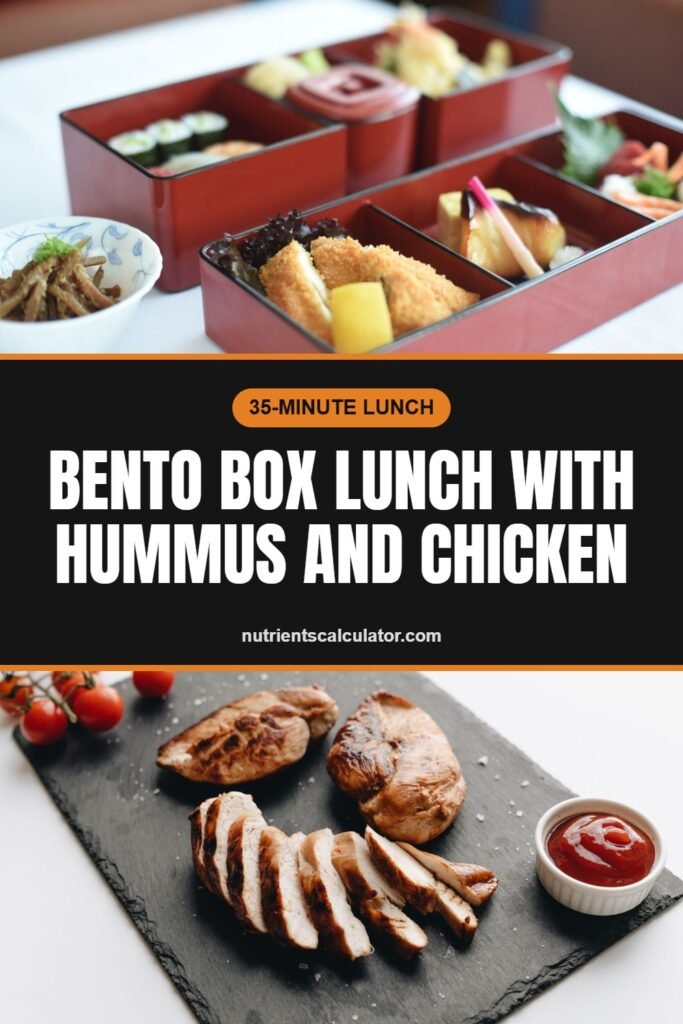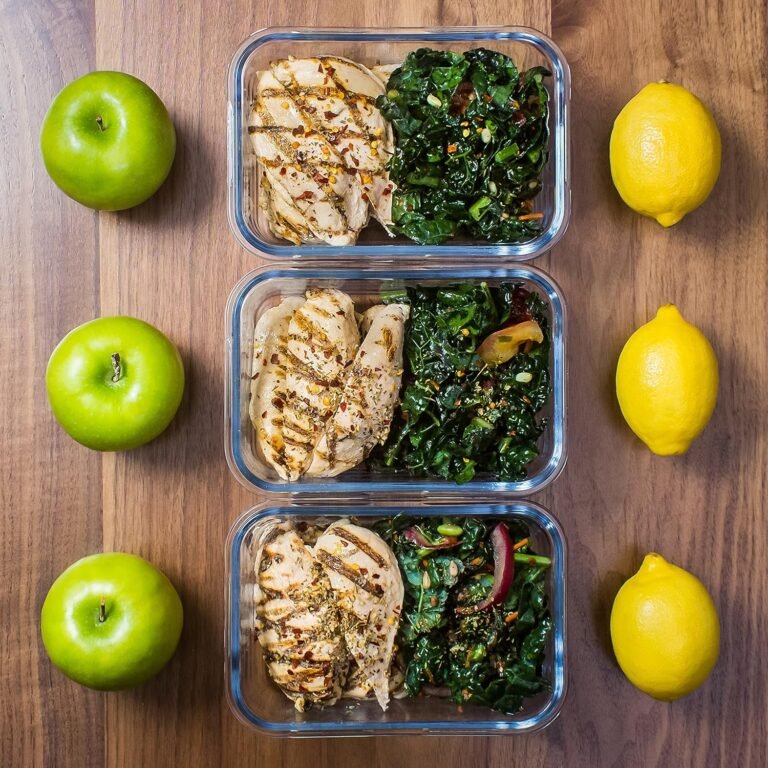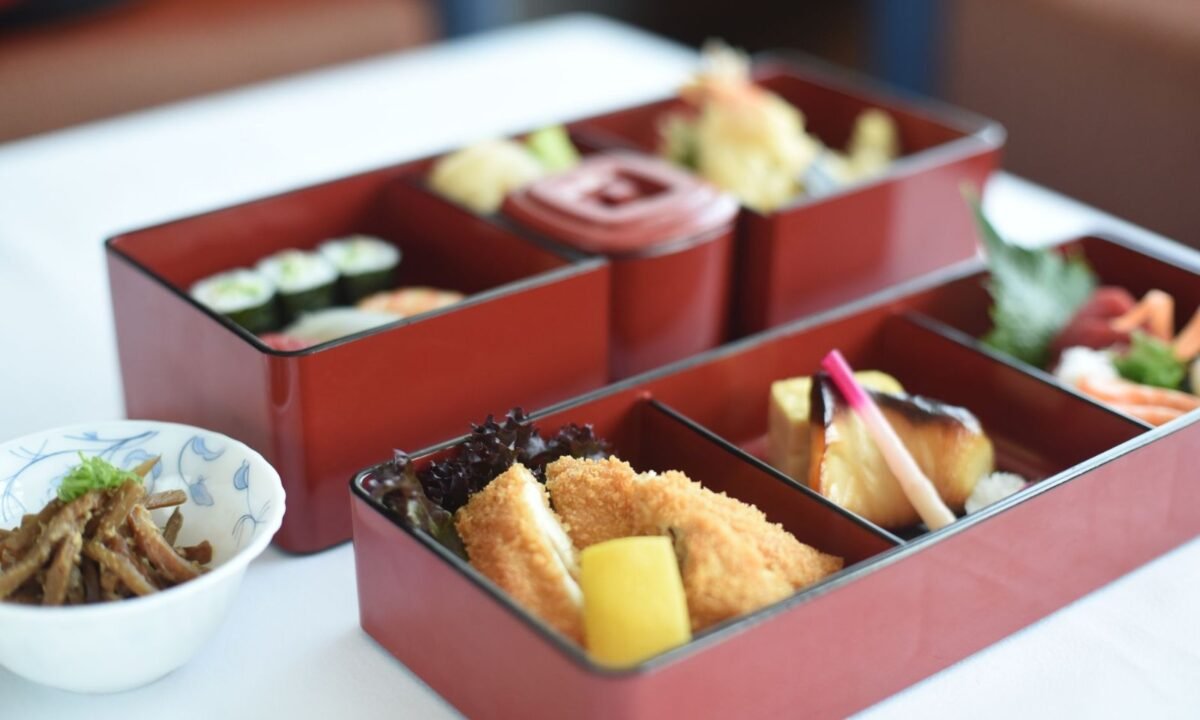
A bento box lunch is one of the easiest ways to pack a meal that feels complete: a protein, a whole grain, vegetables, fruit and a little something creamy, all in separate compartments. This version uses seasoned chicken breast, a generous scoop of hummus, crisp cucumber and cherry tomatoes, cooked quinoa, and a small handful of fruit and nuts. Once the chicken is cooked, the rest is assembly.
The format also solves a common lunch problem: portion control without counting every bite. Each compartment has a job, so you get protein, fiber and healthy fats in roughly balanced amounts. This bento box lunch with hummus and chicken comes in at about 35 grams of protein per box, and it travels well in an insulated bag with an ice pack.
Below you will find the ingredient list with notes on choosing each item, a step-by-step method, storage guidance, common mistakes, swaps for a lighter version, and serving ideas. The recipe card at the end has the full amounts and nutrition inputs.
Full recipe below
Bento Box Lunch with Hummus and Chicken
Why this bento box lunch works
The bento approach works because it separates foods that taste best at different temperatures and textures. Warm chicken stays warm in one compartment, while cool cucumbers, tomatoes and hummus stay crisp and fresh in others. Nothing gets soggy, and you do not need to reheat everything at lunch.
Nutritionally, the box covers the main building blocks the Dietary Guidelines for Americans point toward: lean protein, vegetables, fruit, whole grains and healthy fats. Chicken breast and chickpea-based hummus supply most of the protein and fiber, quinoa adds complex carbohydrates, and the fruit and vegetables add vitamins and volume without many calories. If you want a deeper look at how these foods stack up, the USDA FoodData Central database lists the nutrient profiles of each ingredient.
It is also flexible. The formula is one protein, one grain, two vegetables, one fruit and one dip. You can swap any item without breaking the balance, which makes this a reliable template for a weekly lunch rotation. For more lunch ideas that pack well, see 8 healthy lunch ideas for work.
Ingredients for your bento box lunch and how to choose them
- Boneless, skinless chicken breast, 6 oz: Look for even thickness so the pieces cook at the same rate. Pound thick ends to about 3/4 inch if needed. Thighs also work and stay juicier, but add a few minutes to cooking time.
- Smoked paprika, garlic powder and dried oregano, 1 tsp each: These give the chicken a savory, slightly smoky flavor without added sugar. Use fresh garlic if you prefer, but powder keeps the seasoning even across the pieces.
- Olive oil, 1 tsp: Enough to keep the chicken from sticking and add a little richness. Choose extra-virgin for flavor, since it is used in small amounts.
- Quinoa, uncooked, 1/2 cup: Rinse it well before cooking to remove the natural coating, which can taste bitter. It yields about 1 1/2 cups cooked and gives more protein than white rice.
- Classic hummus, 1/3 cup: Store-bought hummus is fine. Check the label for oil and sodium, and choose a plain version to keep the flavor balanced. Homemade hummus made from canned chickpeas works equally well.
- English cucumber, 1/2 cup sliced: English cucumbers have thinner skins and fewer seeds, so they stay crisp and need no peeling.
- Cherry tomatoes, 1/2 cup halved: Choose firm, deeply colored tomatoes. Halving them early on helps them keep their juice in the box.
- Baby carrots or snap peas, 1/2 cup: Crunchy vegetables hold up well for several hours. Snap peas add a bit more fiber and color.
- Apple or grapes, 1 small apple or 1/2 cup grapes: Apple slices brown quickly, so toss them with a teaspoon of lemon juice or pack them whole and slice on site.
- Almonds, 1 oz (about 23 almonds): A small portion of nuts adds crunch and healthy fats. Choose unsalted or lightly salted for better control of sodium.
- Lemon juice, 1 tbsp, for the quinoa and cucumber: A bright finish that also helps preserve freshness.
- Salt and black pepper, to taste: Season the chicken and quinoa, then adjust once everything is assembled.
How to make the bento box lunch step by step
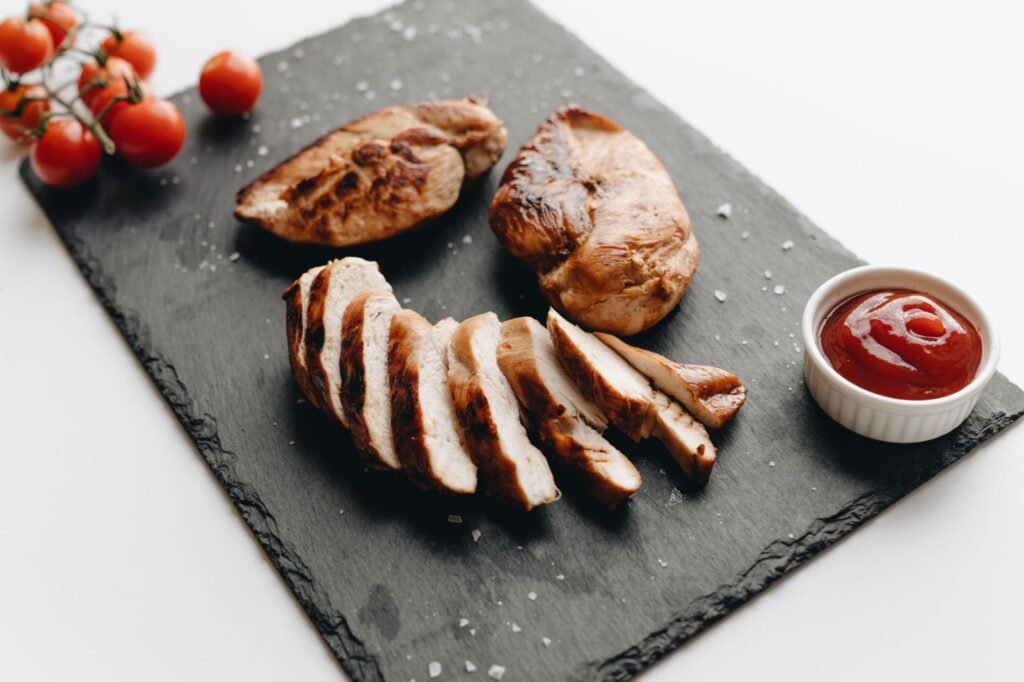
- Preheat a skillet or grill pan over medium-high heat for about 2 minutes. Pat the chicken dry with paper towels so it browns instead of steaming.
- Rub the chicken with the olive oil, then season with the smoked paprika, garlic powder, oregano, 1/2 tsp salt and a pinch of pepper on both sides.
- Cook the chicken for 5 to 6 minutes per side, without moving it too often, until golden and the thickest part reaches 165 °F on an instant-read thermometer. Check the FoodSafety.gov safe minimum internal temperatures for poultry guidance. Rest the chicken for 5 minutes, then slice it into strips about 1/2 inch thick.
- While the chicken cooks, bring 1 cup of water to a boil with a pinch of salt. Add the rinsed quinoa, reduce heat to low, cover and simmer for 13 to 15 minutes until the grains are tender and the germ spirals out. Fluff with a fork and stir in the lemon juice.
- Slice the cucumber and halve the cherry tomatoes. Cut the carrots or snap peas to a size that fits your container.
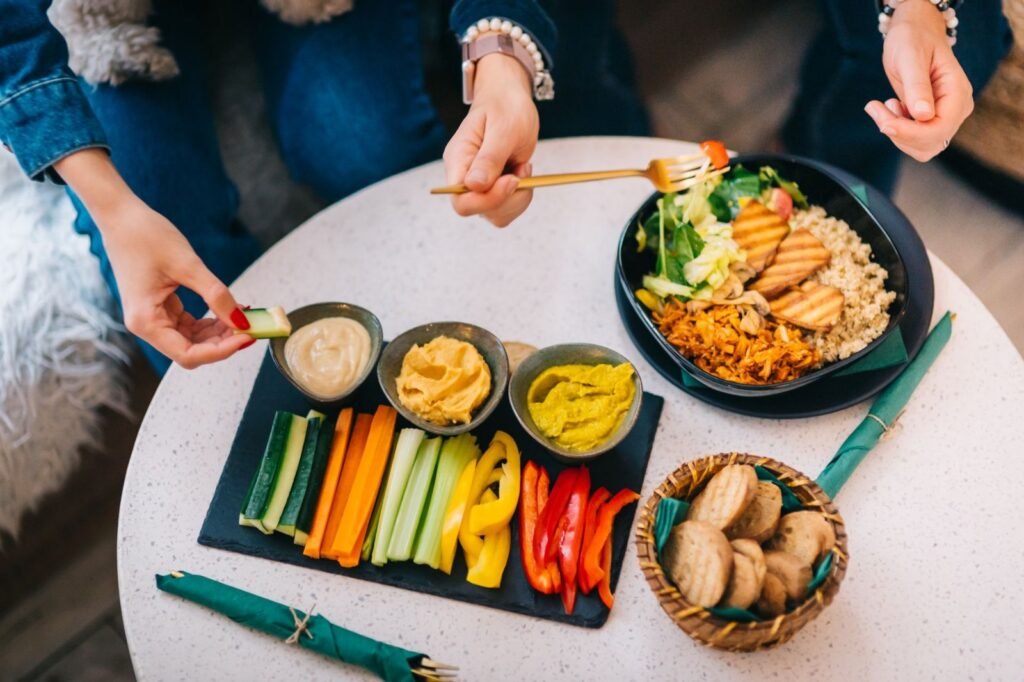
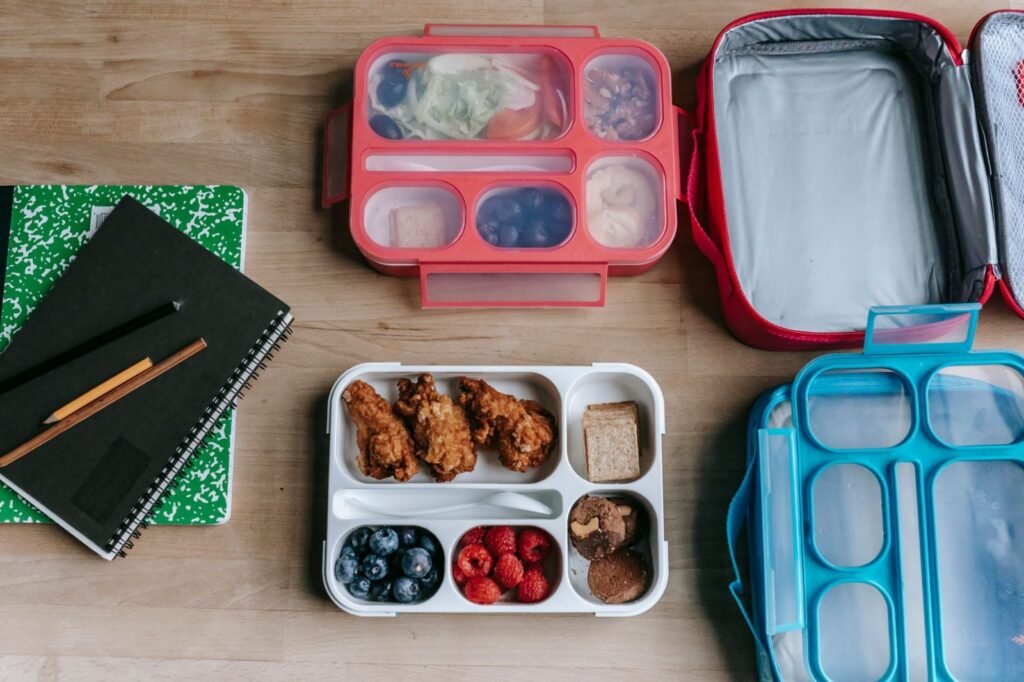
- Assemble the box: place quinoa in the largest compartment, arrange chicken strips beside it, add cucumber, tomatoes and carrots in the remaining sections, and spoon the hummus into a small leak-proof cup or compartment.
- Add the fruit and almonds to the final compartment, then close the lid and refrigerate until you are ready to pack.
- Tip: Let the quinoa and chicken cool to room temperature for about 15 minutes before packing, but no longer. Warm food in a sealed box creates condensation that makes everything soggy.
Storage and reheating your bento box lunch
Cooked chicken and cooked quinoa should be refrigerated within two hours of cooking, and within one hour if the room is above 90 °F. The FoodSafety.gov cold food storage chart lists safe refrigerator times for cooked poultry and grains, generally three to four days. Assembled boxes are best eaten within 3 to 4 days, and sooner if you have included fresh-cut fruit.
For the best texture, store the components separately and assemble each morning or the night before. Keep hummus in its own sealed container, and keep the cucumber and tomatoes dry by wrapping them in a paper towel inside the box. Apples are best sliced just before packing.
If you prefer a warm lunch, reheat the chicken and quinoa in a microwave-safe container, covered, for 60 to 90 seconds, stirring halfway through. Reheat until the chicken reaches 165 °F. Pack the cold vegetables and hummus separately so they stay fresh. Eat the reheated portion within an hour, and do not return leftovers to the fridge once reheated and left out.
Common mistakes to avoid with a bento box lunch
- Packing warm food with cold food: Condensation forms and makes the box soggy. Cool the cooked components first, and use an ice pack in the bag.
- Overcooking the chicken: Breast meat dries out quickly. Pull it from the heat at 165 °F, rest it briefly, and slice across the grain.
- Skipping the rinse on quinoa: Unrinsed quinoa can taste soapy or bitter. A quick rinse in a fine-mesh strainer fixes it.
- Using too much hummus: A heaping 1/3 cup is plenty. Extra dip makes the other compartments wet and throws off the portion balance.
- Forgetting the lemon: Lemon juice brightens the quinoa and helps cut through the richness of the hummus. Without it, the box can taste flat.
- Packing cut apples without protection: Brown apple slices lose their appeal quickly. Toss with lemon juice or pack whole.
Swaps and variations for a lighter bento box lunch
- Lighter option: Use 4 oz of chicken breast instead of 6 oz, add an extra 1 cup of cucumber and tomatoes, and swap the quinoa for 1/2 cup cooked brown rice or 1 cup of roasted chickpeas. This trims calories while keeping protein close to 30 grams.
- Lower-carb version: Replace the quinoa with cauliflower rice sauteed in a teaspoon of olive oil, and reduce the fruit to a half cup of berries.
- Vegetarian swap: Use a block of baked extra-firm tofu or a cup of shelled edamame in place of the chicken. Edamame adds roughly 17 grams of protein per cup.
- Different flavor profile: Season the chicken with lemon zest, dried dill and garlic for a Mediterranean feel, and use roasted red pepper hummus.
- Turkey option: Use deli-style roasted turkey breast in place of cooked chicken for a no-cook version, choosing low-sodium deli meat and checking for added sugar on the label.
- Use the FDA guide to the Nutrition Facts label to compare packaged hummus, nut and deli meat options, since sodium and added sugar can vary widely between brands. If you are building a fuller lunch rotation, the turkey and hummus lettuce wraps are another high-protein option that uses the same flavors.
What to serve with your bento box lunch
A bento box lunch is already complete, so pair it with a drink rather than another dish. Unsweetened iced tea, sparkling water with a lemon wedge, or plain water with cucumber slices all suit the flavors well. Skip sugary drinks, since they add calories without filling you up.
If you are packing for a longer day or a bigger appetite, add a small extra portion of fruit or a hard-boiled egg. For a dinner version, serve the same chicken and quinoa on a plate with a green salad and more hummus. The format scales easily, which is part of why it works so well for meal prep.
For a dessert-style finish, pack a small square of dark chocolate or a few pieces of dried fruit in a separate compartment, keeping portions small so the box stays balanced.
Frequently asked questions
Can I make a bento box lunch the night before?
Yes. Cook the chicken and quinoa, let them cool, and refrigerate them in separate containers. Pack the vegetables, fruit and hummus the same night, and assemble the box in the morning for the freshest result. Keep it cold until lunch.
How much protein is in this bento box lunch?
Using 6 oz of chicken breast, 1/2 cup of uncooked quinoa, 1/3 cup of hummus and 1 oz of almonds, the box provides roughly 35 grams of protein. Exact amounts vary by brand, so check the labels of your hummus and nuts for precise numbers.
Is hummus a healthy dip for a bento box lunch?
Hummus is made from chickpeas, tahini, lemon and olive oil, so it provides plant protein, fiber and healthy fats. Portion it to about 1/3 cup and choose versions with modest sodium. Homemade hummus lets you control the oil and salt.
What is the safe internal temperature for the chicken?
Chicken should reach 165 °F as measured with an instant-read thermometer in the thickest part of the meat. Check the thermometer in the thickest piece, and rest the chicken for a few minutes before slicing.
How long does a packed bento box stay safe?
Keep the box refrigerated or with an ice pack at 40 °F or below. Cooked chicken and quinoa are generally good for three to four days in the fridge. Eat the box within a day of packing for the best texture and safety, especially in warm weather.
Can kids eat this bento box lunch?
Yes, the components are mild and easy to eat with fingers. Cut the chicken into smaller strips, use softer fruit, and keep whole grapes sliced lengthwise to reduce choking risk for young children.
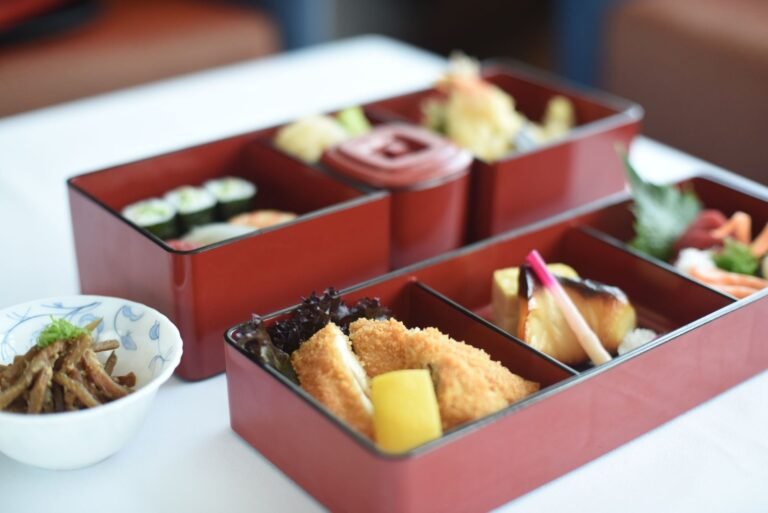
Bento Box Lunch with Hummus and Chicken
A balanced, packable bento box lunch with seasoned chicken breast, quinoa, hummus, crisp vegetables, fruit and almonds.
Ingredients
For the chicken
For the grain
For the box
Instructions
- Preheat a skillet or grill pan over medium-high heat for about 2 minutes. Pat the chicken dry.
- Rub the chicken with olive oil and season with smoked paprika, garlic powder, oregano, 1/2 tsp salt and a pinch of pepper.
- Cook the chicken 5 to 6 minutes per side until the thickest part reaches 165 °F. Rest 5 minutes, then slice into 1/2-inch strips.
- Bring 1 cup water and a pinch of salt to a boil. Add rinsed quinoa, cover, reduce heat to low and simmer 13 to 15 minutes. Fluff and stir in lemon juice.
- Slice the cucumber, halve the cherry tomatoes and prepare the carrots or snap peas.
- Cool the chicken and quinoa for about 15 minutes, then pack quinoa, chicken, vegetables and hummus into separate compartments.
- Add the fruit and almonds to the last compartment, close the lid and refrigerate until ready to eat.
Notes
- Chicken should reach 165 °F internally for safety.
- Cool cooked components before packing to prevent a soggy box.
- Refrigerate the box and use an ice pack when carrying it.
Nutrition per serving
- Calories
- 1082
- Protein
- 63.1g
- Carbs
- 109.7g
- Fat
- 47.1g
- Saturated fat
- 4.5g
- Fiber
- 20.8g
- Sugar
- 24.1g
- Sodium
- 480mg
- Cholesterol
- 128mg