Part of our guide: How to Eat Healthy on a Budget: A Real Weekly Plan and What It Costs in 2026
Key takeaways
- Canned salmon vs fresh: canned pink salmon has similar protein and vitamin D to fresh farmed salmon, with fewer calories.
- Thanks to its soft, edible bones, it has about 14 times the calcium of a fresh fillet.
- It costs about 45% less per gram of protein at 2026 prices.
- Watch the sodium (about 340 mg per 3 oz), or choose no-salt-added cans.
Salmon is one of the most recommended foods in nutrition: protein, omega-3 fats, vitamin D and B12. Fresh fillets are also one of the most expensive items in the store, at around $11 a pound. Canned salmon costs a fraction of that, but is it really as good? The USDA numbers say yes, and in a couple of ways it’s better. This comparison is part of our guide to eating healthy on a budget.
Canned salmon vs fresh: protein and calories
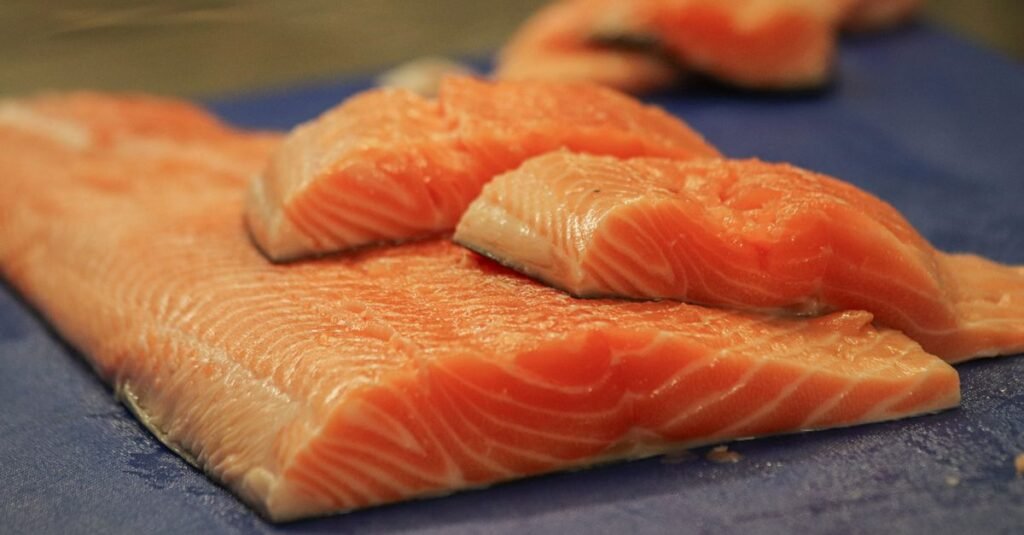
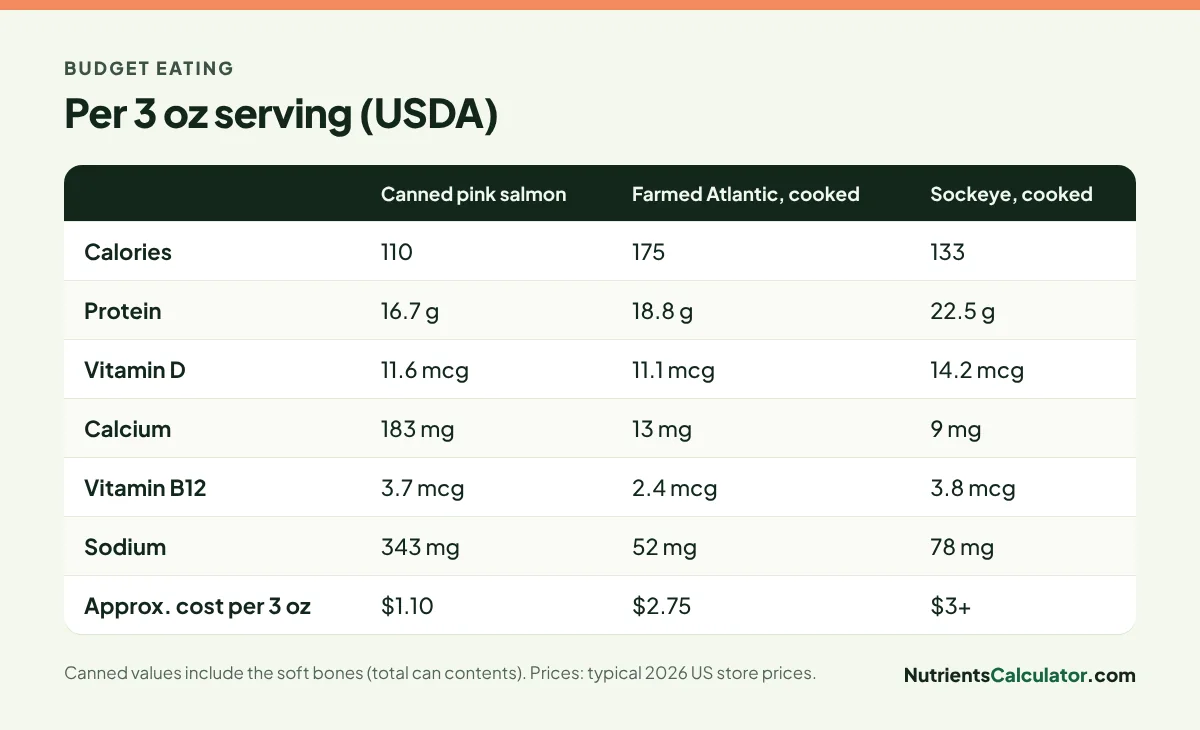
Per 3 oz, canned pink salmon has about 16.7 g of protein and 110 calories. Farmed Atlantic salmon has 18.8 g and 175 calories, because it’s much fattier. Sockeye is the leanest and highest in protein (22.5 g, 133 calories).
If you’re counting calories, canned pink salmon is the most protein-efficient of the three after sockeye.
Etekcity Food Scale
0.1g accuracy — the perfect companion for exact portions.
Omega-3 fats
Omega-3s (EPA and DHA) are the main reason salmon is recommended. Farmed Atlantic salmon has more total fat, and so more omega-3s per serving, than canned pink salmon. According to the NIH Office of Dietary Supplements, a 3 oz serving of farmed Atlantic salmon provides roughly 1.8 g of EPA plus DHA, while canned pink salmon provides about 0.9 g (NIH ODS).
Both are excellent sources: the Dietary Guidelines recommend about 8 oz of seafood a week for adults, and either kind meets the goal of including omega-3-rich fish.
Vitamin D
Salmon is one of the very few foods with significant vitamin D. Canned pink salmon (11.6 mcg per 3 oz) and farmed Atlantic salmon (11.1 mcg) are nearly identical, both more than half the 20 mcg Daily Value. Sockeye is a little higher at 14.2 mcg. For more on this hard-to-get nutrient, read foods high in vitamin D.
Calcium: canned wins by a mile
Canned salmon is packed with its bones, which become soft enough to mash with a fork during canning. That gives canned pink salmon about 183 mg of calcium per 3 oz, compared with about 13 mg for a fresh fillet. If you don’t eat much dairy, canned salmon with bones is a valuable calcium source.
Sodium: fresh wins
Regular canned salmon has about 343 mg of sodium per 3 oz, versus about 52 mg for fresh cooked salmon without added salt. That’s manageable in an overall diet under 2,300 mg a day, but look for “no salt added” cans if you’re watching sodium, and go easy on salty add-ins like soy sauce or pickles.
Mercury
Salmon is among the FDA’s “Best Choices” for low mercury, whether canned or fresh (FDA). It’s a good choice for pregnant people and children, following FDA serving guidance.
Cost
At typical 2026 prices:
- Fresh salmon fillet: about $10.99 per pound, so about $2.75 for a cooked 3 oz portion (about 4 oz raw).
- Canned pink salmon: about $5.40 for a 14.75 oz can, so about $1.10 per 3 oz.
Per gram of protein, canned salmon costs about 45% less than fresh ($1.31 versus $2.38 per 20 g). Our full ranking is in cheapest protein sources.
How to use canned salmon

Canned salmon tastes milder than many people expect. Ideas:
- Salmon patties: mash with an egg, breadcrumbs or oats, lemon and herbs; pan-fry. Freeze extras.
- Salmon salad sandwiches: like tuna salad, with Greek yogurt instead of mayo for more protein.
- Rice bowls: salmon, rice, cucumber, avocado, a little soy sauce and sesame seeds.
- Pasta: stir into whole-wheat pasta with garlic, lemon, peas and spinach.
- Salad topper: flake over greens with beans and vinaigrette.
- Breakfast: on whole-grain toast with cottage cheese and dill.
Mash the bones into the mixture for the calcium; you won’t notice them.
When fresh is worth it
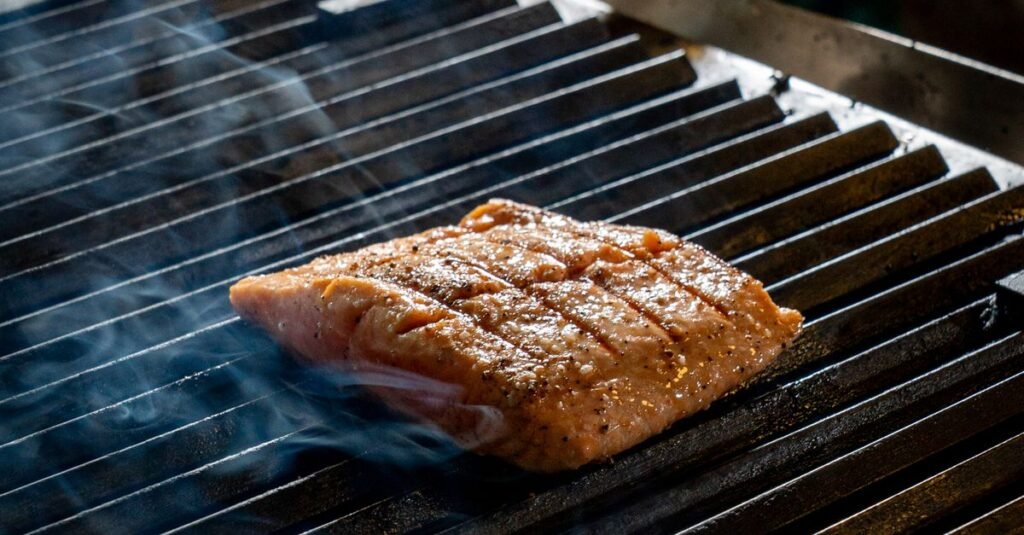
Fresh salmon makes sense for a special dinner, when you want a seared fillet, or when it’s on sale. A good compromise is one fresh fish meal a week and one or two canned fish meals. That meets the seafood recommendation at a fraction of the cost of eating fresh fillets twice.
Find these swaps in your own plan
When you plan meals with our free meal planner, the account dashboard prices your shopping list and suggests swaps like canned salmon instead of fresh, with the estimated savings for the week.
How to choose a can of salmon
- Pink vs sockeye (red): pink salmon is milder and cheaper; sockeye is richer in flavor, a little higher in vitamin D and protein, and costs more.
- Bone-in vs boneless: bone-in, skin-on cans are cheaper and give you the calcium; skinless, boneless cans are more convenient but lose most of that calcium.
- Sodium: look for “no salt added” if you’re watching sodium; it can cut sodium dramatically.
- Wild-caught: most canned salmon in the US is wild Alaskan, which is a good choice for sustainability.
- Pouches: single-serve pouches are handy for lunches, but cost more per ounce than cans.
An opened can keeps in a covered container in the fridge for about 3–4 days, following the same guidance as other cooked leftovers.
The bottom line
Canned salmon is a nutritional bargain: similar protein and vitamin D to fresh, far more calcium, fewer calories and about 45% lower cost per gram of protein. Fresh salmon has more omega-3s and less sodium, and it’s a treat worth having. For everyday meals, keep a few cans in the pantry.
Frequently asked questions
Is canned salmon as healthy as fresh?
Yes, in most ways. Canned pink salmon provides similar protein and vitamin D to fresh farmed salmon, more calcium thanks to the edible bones, and fewer calories. It's higher in sodium unless you buy a no-salt-added version.
Should I eat the bones in canned salmon?
You can. The bones are soft from the canning process and mash in easily. They're the reason canned salmon has about 180 mg of calcium per 3 oz versus about 13 mg in fresh fillets.
Does canned salmon have omega-3s?
Yes. Canned pink salmon contains meaningful amounts of EPA and DHA, though less than farmed Atlantic salmon, which is higher in fat overall.
Is canned salmon wild or farmed?
Most canned pink and sockeye salmon sold in the US is wild-caught Alaskan salmon. Check the label.
Sources
- USDA FoodData Central
- NIH Office of Dietary Supplements: Omega-3 Fatty Acids fact sheet
- FDA: Advice about Eating Fish
- Dietary Guidelines for Americans
This article is for general information and isn’t medical advice. Talk to your doctor or a registered dietitian about your own needs, especially if you have a health condition, are pregnant or take medication.