Part of our guide: How to Eat Healthy on a Budget: A Real Weekly Plan and What It Costs in 2026
Key takeaways
- This cheap healthy grocery list of 40 staples can make dozens of healthy meals and keep the weekly bill near the USDA’s Thrifty Food Plan.
- Prices are 2026 US averages (BLS data where published), so you can compare them with your own store.
- The best value is in dried beans, oats, eggs, potatoes, bananas, rice, bone-in chicken and frozen vegetables.
- You don’t need all 40 every week. Pick 15–20 and rotate.
A good grocery list does two jobs: it keeps you from buying things you don’t need, and it makes sure you have what you need to cook several meals without another trip. This list focuses on foods that are cheap per serving, nutritious and flexible. It’s the shopping side of our guide to eating healthy on a budget.
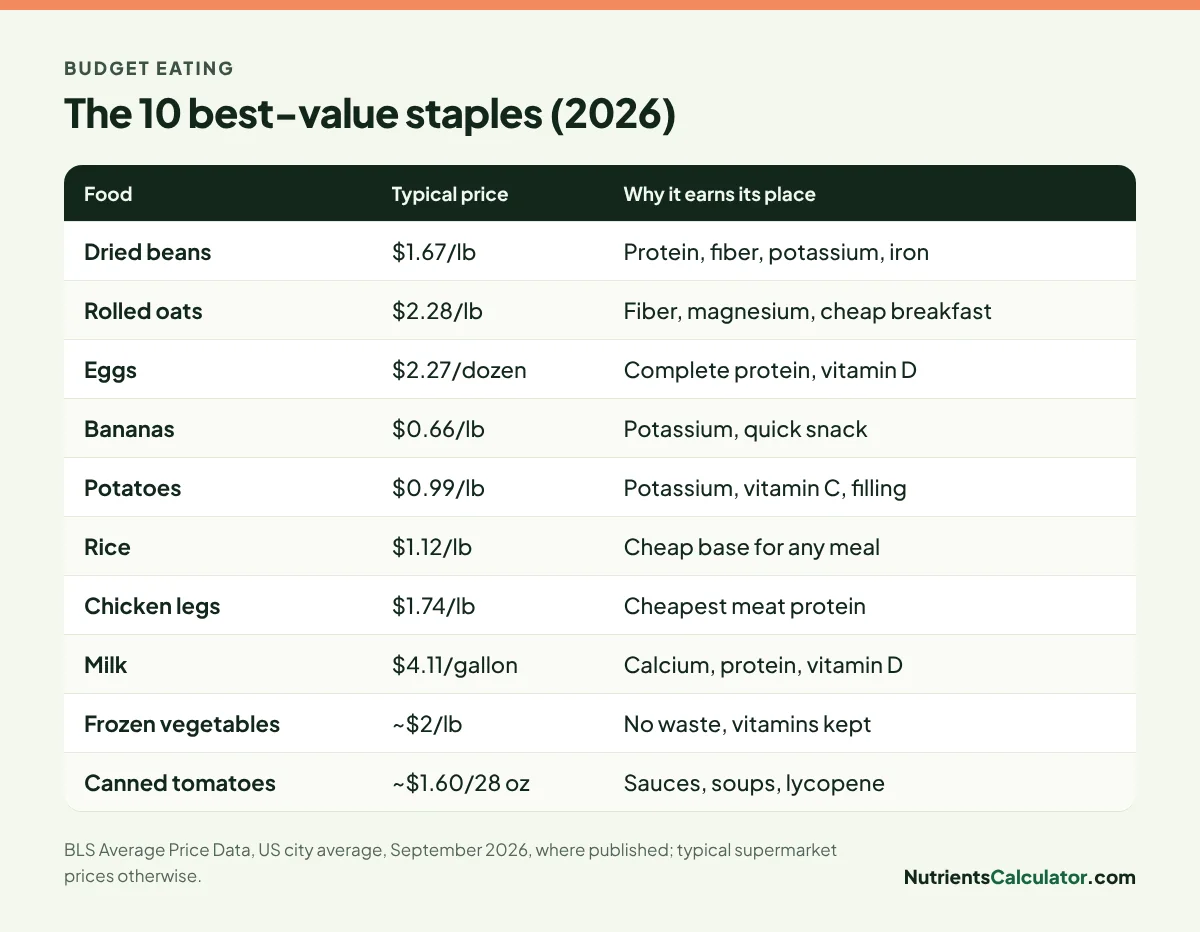
Prices are typical 2026 US figures. Where the Bureau of Labor Statistics publishes an average price (September 2026), we use it; other items show common supermarket prices. Your store will be higher or lower, so treat them as a benchmark.
Produce (10)

- Bananas (about $0.66/lb): potassium, quick energy, great frozen for smoothies.
- Apples (about $2/lb): fiber, keeps for weeks in the fridge.
- Oranges (about $1.72/lb): vitamin C for iron absorption, as we explain in how to absorb more iron.
- Potatoes (about $0.99/lb): potassium and vitamin C; one of the cheapest filling foods.
- Sweet potatoes (about $1.49/lb): vitamin A and fiber.
- Carrots (about $1.19/lb): vitamin A; snack, soup base, roasted side.
- Onions (about $1.39/lb): flavor base for almost everything.
- Cabbage (about $0.89/lb): cheap, keeps for weeks, great in slaws and stir-fries.
- Lemons or limes (about $0.40 each): brighten beans, fish and salads.
- Garlic (about $0.60 a head): huge flavor for pennies.
Etekcity Food Scale
0.1g accuracy — the perfect companion for exact portions.
Frozen (5)
- Frozen broccoli (about $2/lb): no trimming, no waste.
- Frozen spinach (about $2/lb): iron, magnesium, potassium; stir into soups and eggs.
- Frozen mixed vegetables (about $1.80/lb): instant fried rice or soup.
- Frozen berries (about $3.49/lb): about half the price of fresh, with comparable vitamins. See frozen vs fresh.
- Frozen peas (about $1.80/lb): surprising protein and fiber for a vegetable.
Protein (10)
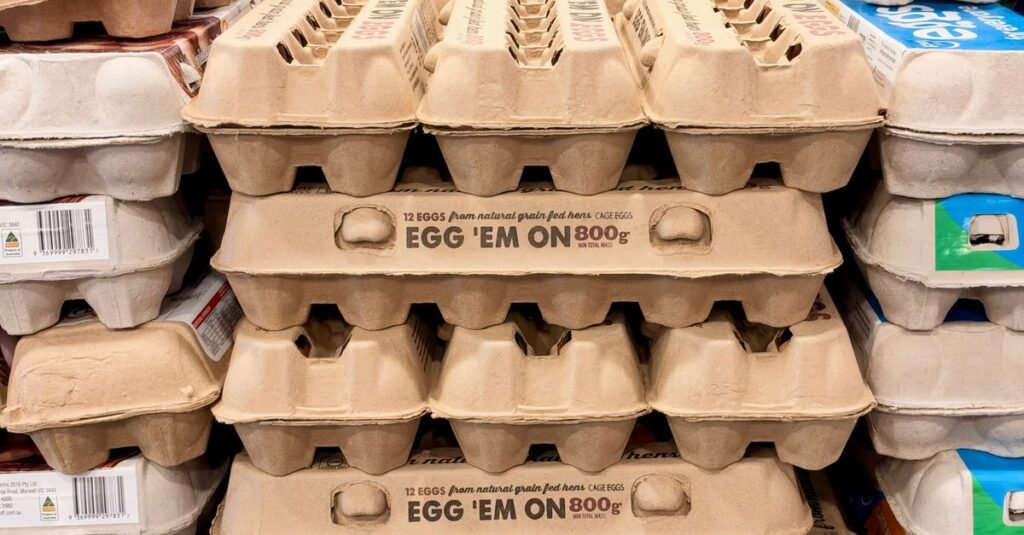
- Eggs (about $2.27/dozen in September 2026): about 60 cents per 20 g of protein.
- Chicken legs or thighs, bone-in (about $1.74/lb): the cheapest meat protein.
- Whole chicken (about $2.06/lb): roast once, eat three times.
- Dried black beans (about $1.67/lb): about 34 cents per 20 g of protein.
- Dried lentils (about $1.90/lb): no soaking, cook in 20 minutes.
- Canned beans (about $1.10 a can): convenience when you have no time; rinse to cut sodium. Comparison in dried vs canned beans.
- Canned light tuna (about $1.35 a can): lean protein for sandwiches and salads.
- Canned salmon (about $5.40 for 14.75 oz): omega-3s, vitamin D, calcium. Why it’s a great deal: canned vs fresh salmon.
- Peanut butter (about $3.20/lb): protein and healthy fat; measure portions.
- Firm tofu (about $2.59 a block): plant protein and calcium.
Dairy (4)
- Milk (about $4.11/gallon): calcium, protein, vitamin D.
- Plain Greek yogurt, large tub (about $5.49 for 32 oz): far cheaper than single cups.
- Cottage cheese (about $3.20/lb): high-protein breakfasts and snacks.
- Cheddar cheese, block (about $6.13/lb): grate it yourself; pre-shredded costs more.
Grains and pantry (11)

- Rolled oats (about $2.28/lb): cheapest healthy breakfast there is.
- Rice (about $1.12/lb): base for bowls, stir-fries and soups.
- Pasta (about $1.38/lb): choose whole-wheat when it’s similar in price.
- Whole-wheat bread (about $2.60/lb): freeze half the loaf.
- Flour tortillas or corn tortillas: wraps, quesadillas, breakfast burritos.
- Canned tomatoes (about $1.60 for 28 oz): sauces, chili, soups.
- Vegetable oil or olive oil: buy the size you’ll use within a few months.
- Popcorn kernels: a whole-grain snack for pennies a bowl.
- Sunflower seeds (about $3.50/lb): a cheaper swap for pine nuts and almonds.
- Chicken or vegetable broth (about $2.50 for 32 oz): or make your own from the chicken carcass.
- Spices: cumin, chili powder, paprika, cinnamon and an Italian blend cover most recipes.
How to turn this cheap healthy grocery list into a week of meals
Pick five dinners that share ingredients. For example:
- Monday: roast chicken legs with potatoes and carrots.
- Tuesday: black bean and rice bowls with salsa and cabbage slaw.
- Wednesday: lentil soup with frozen spinach and bread.
- Thursday: egg fried rice with frozen mixed vegetables and peas.
- Friday: tuna or salmon patties with a big salad.
Breakfasts come from oats, yogurt, eggs and fruit; lunches are mostly leftovers. That’s around 20 of the 40 items, with oil, spices and grains lasting several weeks.
How to store it so nothing goes to waste
- Keep potatoes, onions and garlic somewhere cool and dark, but not together (onions make potatoes sprout faster).
- Store apples, carrots and cabbage in the fridge crisper.
- Freeze bread, cooked beans and ripe bananas.
- Eat cooked leftovers within 3–4 days, according to USDA food-safety guidance, or freeze them.
Track what the week costs
If you plan your week in our free meal planner, your account can turn it into a shopping list grouped by aisle with an estimated price for each item, a weekly total and cheaper swaps, such as frozen berries instead of fresh.
The bottom line
A cheap, healthy grocery list is built on a few dozen flexible staples: beans, lentils, oats, rice, eggs, bone-in chicken, canned fish, milk and yogurt, potatoes, cabbage, carrots, bananas and frozen vegetables. Shop from a plan, buy the shelf-stable items in bulk, and you can cook a week of meals for close to the USDA’s Thrifty benchmark.
Frequently asked questions
What is the cheapest healthy food to buy?
Dried beans and lentils, oats, rice, potatoes, bananas, cabbage, carrots, eggs and frozen vegetables are among the cheapest nutritious foods per serving in the US.
How do I make a grocery list on a tight budget?
Plan four or five dinners first, list only the ingredients you don't already have, build around beans, eggs and bone-in chicken, and fill the gaps with frozen produce. Check unit prices on the shelf.
Are store brands as healthy as name brands?
For staples like oats, beans, frozen vegetables, canned tomatoes and milk, store brands are usually nutritionally identical. Compare the Nutrition Facts label if you're unsure.
Which healthy foods last the longest?
Dried beans, lentils, rice and oats keep for months in a sealed container. Canned fish, beans and tomatoes keep for a year or more. Frozen vegetables last several months, and potatoes, onions, carrots and cabbage last weeks if stored cool.
Sources
- U.S. Bureau of Labor Statistics: Average Price Data
- USDA Food Plans: Cost of Food Monthly Reports
- USDA FoodData Central
- USDA FSIS: Leftovers and Food Safety
This article is for general information and isn’t medical advice. Talk to your doctor or a registered dietitian about your own needs, especially if you have a health condition, are pregnant or take medication.