Part of our guide: How Much Protein Do You Need a Day? A Simple Guide by Weight and Goal
Key takeaways
- A typical breakfast of cereal, toast or a pastry has only 5–10 g of protein. Aim for 25–35 g; every one of the high-protein breakfast ideas below reaches at least 25 g.
- The fastest ways to get there: Greek yogurt, cottage cheese, eggs plus egg whites, tofu, or a protein smoothie.
- Every idea below lists calories and protein from USDA data, so you can pick one that fits your plan.
- Batch-friendly options (overnight oats, egg muffins, pancakes) make weekdays easy.
Most people eat the least protein at breakfast and the most at dinner. That makes a daily target harder to hit and leaves many people hungry by mid-morning. If you’re aiming for the 1.2–1.6 g per kg range that the current Dietary Guidelines describe for many adults (see how much protein you need a day), breakfast is the easiest meal to fix.
Here are fifteen breakfasts with 25 g of protein or more. Numbers are calculated from USDA FoodData Central values for each ingredient; your brands may differ a little.

Sweet breakfasts
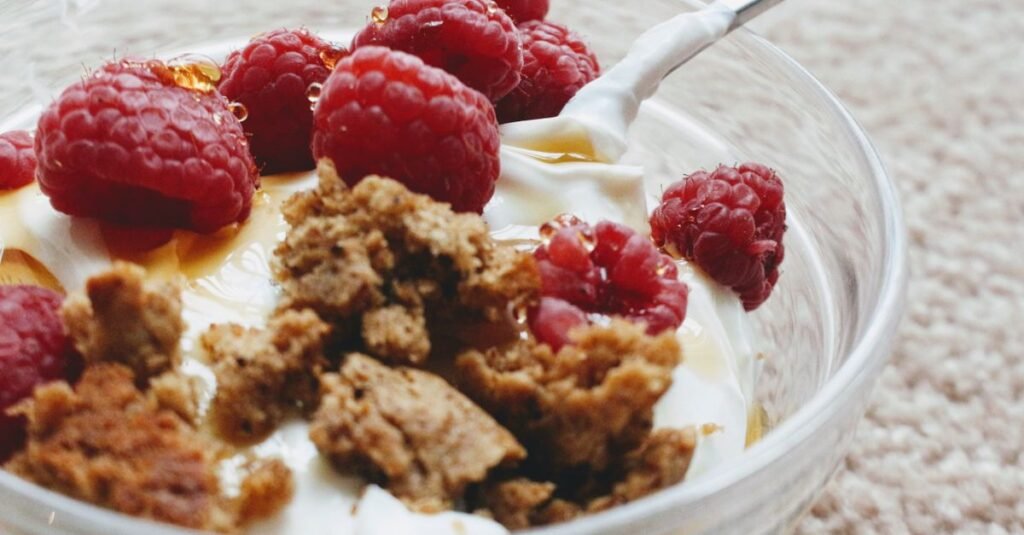
1. Greek yogurt power bowl (about 262 kcal, 27 g protein)
1 cup plain nonfat Greek yogurt, ½ cup berries and 2 tablespoons granola. Add cinnamon for flavor without sugar. Keep granola to a topping: it’s calorie-dense, as we show in foods with more calories than you think.
2. Protein overnight oats (about 361 kcal, 28 g)
½ cup rolled oats, ¾ cup Greek yogurt, ½ cup 2% milk, berries. Mix in a jar the night before. Make four jars on Sunday for the week.
3. Cottage cheese and fruit (about 282 kcal, 26 g)
1 cup 2% cottage cheese, ½ cup pineapple and 1 tablespoon chia seeds. Salty-sweet and ready in a minute.
4. Cottage cheese pancakes (about 430 kcal, 40 g)
Blend 1 cup cottage cheese, 2 eggs and ⅓ cup oats; cook as small pancakes. Top with fruit instead of syrup. The highest-protein option on this list.
5. Whey protein smoothie (about 347 kcal, 33 g)
1 scoop whey protein, 1 cup 2% milk and a banana, blended with ice. Add a handful of spinach; you won’t taste it.
6. Egg-white oatmeal (about 337 kcal, 26 g)
Cook ½ cup oats in 1 cup milk, then stir in ½ cup liquid egg whites for the last two minutes, whisking constantly. It turns fluffy, not eggy. Top with berries.
Etekcity Food Scale
0.1g accuracy — the perfect companion for exact portions.
Savory breakfasts

7. Veggie egg scramble with toast (about 370 kcal, 30 g)
3 whole eggs plus 2 egg whites, scrambled with spinach and peppers in 1 teaspoon of oil, with a slice of whole-wheat toast.
8. Tofu scramble (about 330 kcal, 35 g)
About 7 oz firm tofu crumbled into a pan with turmeric, garlic, onion and spinach. Egg-free and dairy-free.
9. Breakfast burrito (about 470 kcal, 27 g)
An 8-inch flour tortilla with 2 scrambled eggs, ¼ cup black beans, 1 oz cheddar and salsa. Wrap in foil to make ahead and reheat.
10. Egg and cheese English muffin (about 392 kcal, 25 g)
A whole-wheat English muffin with 2 eggs and 1 oz cheddar. A better deal than drive-through versions, which often have more sodium.
11. Smoked salmon English muffin (about 279 kcal, 27 g)
A whole-wheat English muffin with 3 oz smoked salmon and ¼ cup cottage cheese or a thin layer of cream cheese, plus cucumber and dill.
12. Shakshuka for one (about 378 kcal, 27 g)
3 eggs poached in ½ cup canned tomatoes with ¼ cup chickpeas and 1 oz feta. Serve with a little bread.
13. Black bean breakfast bowl (about 493 kcal, 29 g)
1 cup black beans, a fried egg, ¼ avocado, salsa and a sprinkle of cheese. Also delivers about 15 g of fiber.
14. Edamame avocado toast (about 399 kcal, 27 g)
Whole-wheat toast topped with ½ cup mashed edamame, ¼ avocado and 2 eggs. More protein and fiber than standard avocado toast.
15. Leftover bowl (about 333 kcal, 34 g)
3 oz leftover chicken, ½ cup rice and a fried egg with hot sauce. Breakfast doesn’t have to look like breakfast.
How to turn these high-protein breakfast ideas into a habit

- Prep on Sunday. Overnight oats, egg muffins and burritos keep for several days in the fridge (follow food-safety guidance for leftovers, usually 3–4 days).
- Keep two defaults. Pick one sweet and one savory option and rotate. Decision fatigue is real at 7 AM.
- Stock the basics: Greek yogurt, cottage cheese, eggs, frozen berries, oats and whole-wheat bread cover most of this list.
- Watch the extras. Granola, nut butter, cheese and avocado add up fast. Measure them once to calibrate.
What about the rest of the day?
Breakfast is only one part of spreading your protein well. Research suggests roughly even amounts across meals support muscle better than one large protein dinner (Mamerow et al., 2014). For the full picture read how much protein per meal, and for snack ideas see high-protein snacks under 200 calories.
The bottom line
Moving breakfast from 10 g to 25–35 g of protein is one of the simplest changes you can make. Choose one sweet and one savory option from this list, prep ahead when you can, and your daily protein target becomes much easier to reach.
Frequently asked questions
How much protein should I eat at breakfast?
About 25–35 g is a practical target for most adults. It's enough to keep you full until lunch and makes a daily protein goal much easier to reach.
What is the highest-protein breakfast food?
Per typical serving, Greek yogurt, cottage cheese, eggs and egg whites, tofu and protein powder are the easiest ways to reach 25 g. Leftover chicken or fish also works if you like savory breakfasts.
Can I get 30 g of protein at breakfast without eggs?
Yes. A cup of plain nonfat Greek yogurt gives about 25 g on its own, a cup of 2% cottage cheese about 24 g, and a scoop of whey protein about 24 g. Tofu scrambles and bean bowls are good egg-free savory options.
Is a high-protein breakfast good for weight loss?
It can help. Protein is the most filling macronutrient, so a protein-rich breakfast often reduces snacking later in the morning. Total calories for the day still matter most.
Sources
- USDA FoodData Central
- Mamerow MM et al. Dietary protein distribution and muscle protein synthesis. J Nutr, 2014
- Dietary Guidelines for Americans 2025–2030
This article is for general information and isn’t medical advice. Talk to your doctor or a registered dietitian about your own needs, especially if you have a health condition, are pregnant or take medication.