Part of our guide: How Much Protein Do You Need a Day? A Simple Guide by Weight and Goal
Key takeaways
- Choose your next meal by two numbers: calories left and protein still needed.
- Protein first, then volume: fill the protein gap, then add vegetables, fruit or soup for fullness.
- Size the meal to the time of day: don’t spend all your remaining calories at 3 PM if dinner is still to come.
- Going over occasionally is normal. Log it and move on. Weekly averages are what count.
You’ve logged breakfast and lunch and it’s mid-afternoon. Your app says 820 calories left and 48 g of protein to go. What now? This is the moment where good planning usually breaks down: people either under-eat and get ravenous later, or grab something convenient that uses all the calories with little protein. Here’s a simple way to decide. If you haven’t set your protein target yet, start with how much protein you need a day.
The two-number method
- Calories left: how much room you have.
- Protein left: what the remaining meals need to deliver.
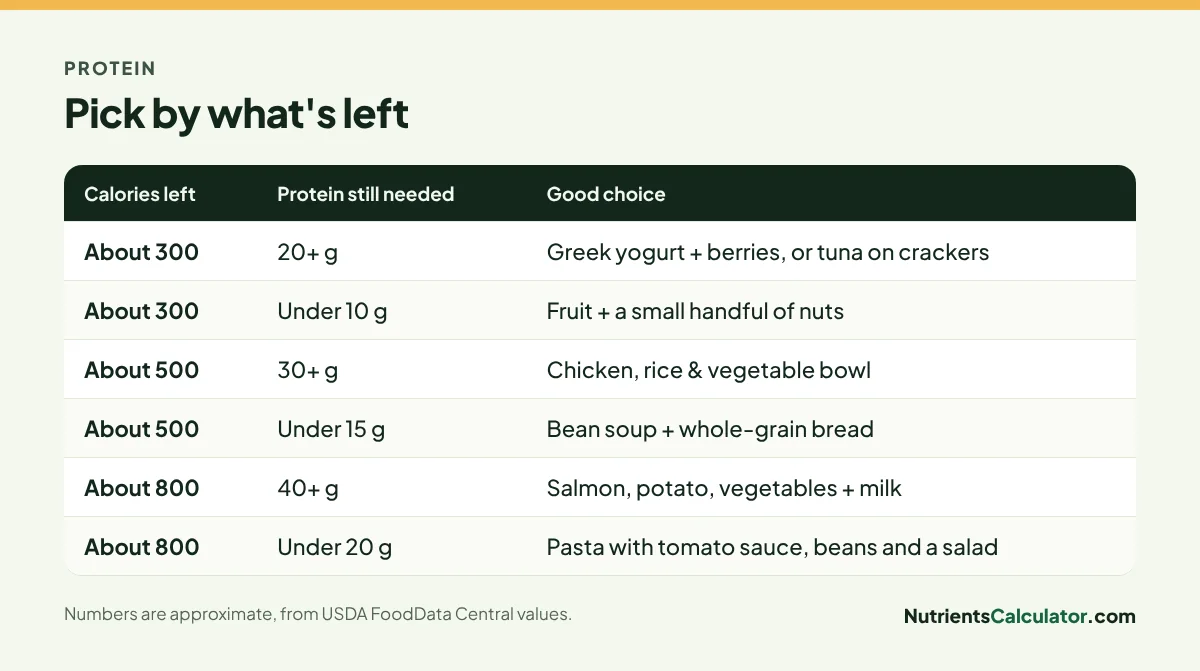
Divide both by the number of meals or snacks still to come. If it’s 3 PM with dinner and an evening snack ahead, and you have 820 calories and 48 g of protein left, aim for a dinner of about 600 calories with 35–40 g of protein, plus a 200-calorie snack with 10 g.
Then pick foods that hit those numbers, using the protein-first, volume-second rule.
Etekcity Food Scale
0.1g accuracy — the perfect companion for exact portions.
If you have about 300 calories left
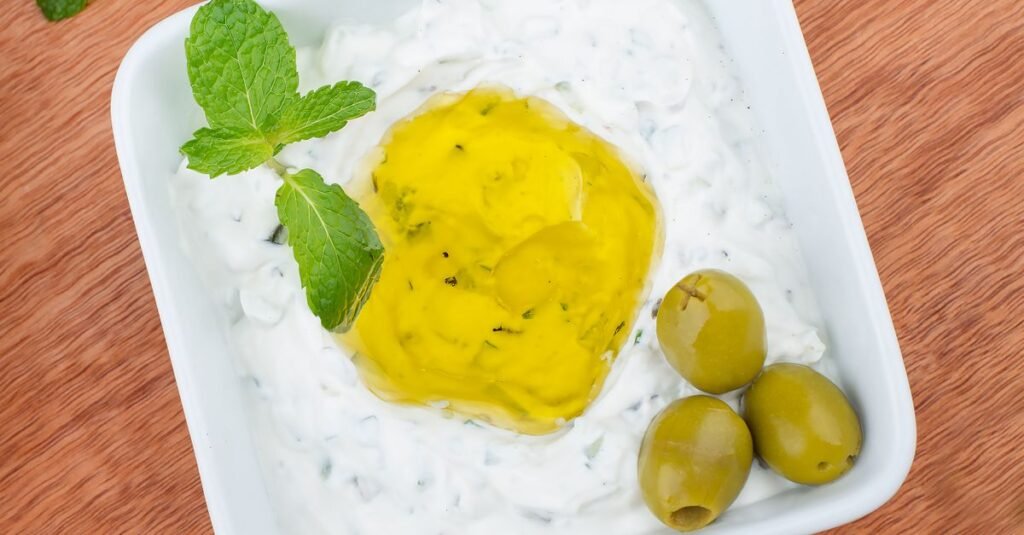
Need protein (20 g or more): – 1 cup plain nonfat Greek yogurt with ½ cup berries: about 190 kcal, 25 g – 3 oz canned tuna with 5 whole-grain crackers and cucumber: about 170 kcal, 18 g – 1 cup 2% cottage cheese with tomato and pepper: about 185 kcal, 24 g – 2 hard-boiled eggs and a cup of raw vegetables: about 185 kcal, 13 g
Protein already covered: – An apple and 1 tablespoon of peanut butter: about 190 kcal – A pear and 1 oz of cheese: about 215 kcal – 3 cups air-popped popcorn and a small orange: about 140 kcal
For more options, see 15 high-protein snacks under 200 calories.
If you have about 500 calories left

Need protein (30 g or more): – Chicken bowl: 4 oz cooked chicken breast, ¾ cup rice, 1 cup broccoli and salsa (about 410 kcal, 40 g) – Tuna or salmon salad sandwich on whole-wheat bread with a side salad (about 450 kcal, 32 g) – Tofu stir-fry: 7 oz firm tofu, mixed vegetables, 1 tsp oil, ½ cup rice (about 500 kcal, 36 g) – Three-egg omelet with spinach and cheese, plus a slice of toast (about 450 kcal, 28 g)
Protein already covered: – Lentil or bean soup (1½ cups) with a slice of whole-grain bread (about 450 kcal, high fiber) – Baked potato with ½ cup black beans, salsa and a little cheese (about 420 kcal)
If you have about 800 calories left
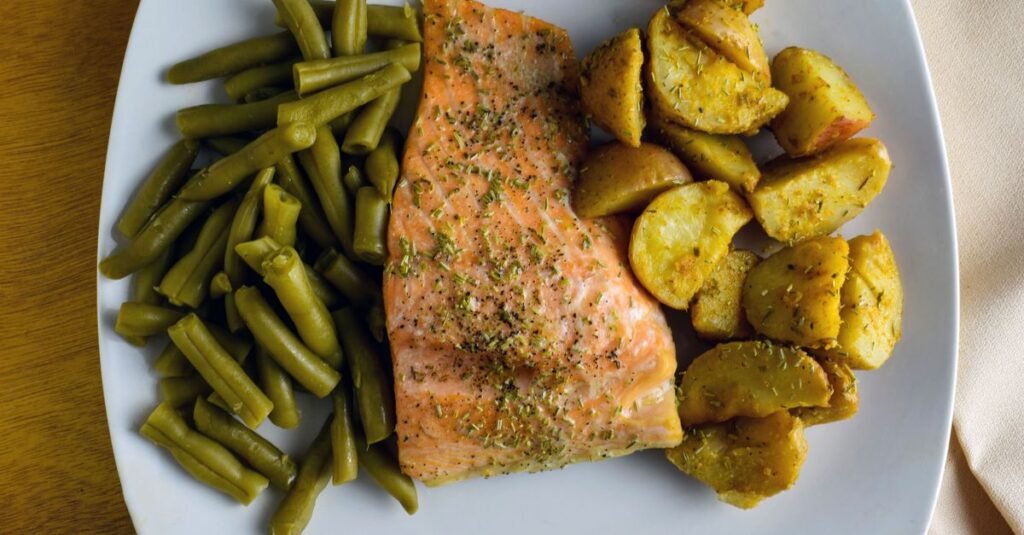
Need protein (40 g or more): – 5 oz salmon, a medium baked potato, 1 cup roasted vegetables with 2 tsp olive oil, and a glass of 2% milk (about 700 kcal, 46 g) – Chicken burrito bowl with beans, rice, cheese and guacamole (about 750 kcal, 50 g) – Turkey chili (2 cups) with a slice of cornbread (about 700 kcal, 45 g)
Protein already covered: – Whole-wheat pasta with tomato sauce, white beans and a big salad (about 750 kcal) – Vegetable curry with chickpeas and rice (about 700 kcal)
What if you’re low on calories but still hungry?
Choose foods with lots of volume for few calories:
- Vegetable or broth-based soups
- A big salad with vinaigrette on the side
- Berries, melon, apples, citrus
- Plain Greek yogurt or cottage cheese
- Steamed or roasted vegetables
If this happens most days, it’s a signal to adjust: your calorie target may be too aggressive, or your earlier meals too low in protein and fiber. Our pillar guide on protein per meal explains why front-loading protein makes evenings easier.
What if you’ve gone over?
It happens to everyone. A few principles:
- Log it honestly. The data is only useful if it’s real.
- Don’t compensate by skipping meals tomorrow. That often leads to a cycle of restriction and overeating.
- Look at your week, not the day. One 600-calorie overage in a week where you’re otherwise on target barely moves the average.
- Notice patterns. If you go over most evenings, look at protein and fiber earlier in the day, or whether dinner is happening when you’re overly hungry.
Let your dashboard do the math
Doing this arithmetic every afternoon gets old. Our free account dashboard does it for you: it reads what you’ve logged today, works out your remaining calories and protein, and suggests recipes and snacks that fit the next meal. It can even suggest ideas from the ingredients you already have at home.
The bottom line
Use two numbers, calories left and protein left, to choose your next meal. Fill the protein gap first, then add vegetables, fruit or soup for volume, and size the meal to the rest of your day. Going over now and then is normal; what matters is the weekly picture.
Frequently asked questions
What should I eat if I only have 200 calories left?
Something high in protein and volume: plain Greek yogurt, cottage cheese, a hard-boiled egg with vegetables, canned tuna on cucumber, or a cup of broth-based soup. These fill you up for few calories.
Is it OK to go over my calories for the day?
Yes, occasionally. Weekly averages matter far more than single days. Log what you ate and continue as normal the next day rather than restricting to 'make up' for it.
Should I save calories for the evening?
Some people prefer a larger dinner, and that's fine. But skipping meals to save calories often backfires with overeating later. Eating protein at each meal helps keep hunger stable.
What if I'm hungry but have no calories left?
Choose high-volume, low-calorie foods like vegetables, broth, berries or a protein snack. If you're frequently hungry at the end of the day, your target may be too low or your meals too low in protein and fiber.
Sources
- USDA FoodData Central
- Dietary Guidelines for Americans 2025–2030
- Mamerow MM et al. Dietary protein distribution and muscle protein synthesis. J Nutr, 2014
This article is for general information and isn’t medical advice. Talk to your doctor or a registered dietitian about your own needs, especially if you have a health condition, are pregnant or take medication.