Part of our guide: How Much Water Should I Drink a Day? What the Science Actually Says
Key takeaways
- Electrolyte drinks are useful in specific situations, not for everyday hydration. Water and food are enough for most people most days.
- They help most during continuous exercise longer than about an hour, heavy sweating in heat, and illness with vomiting or diarrhea.
- Sodium is the main electrolyte lost in sweat. Many “hydration” products are high in sugar or potassium but low in sodium.
- Drinking huge amounts of plain water during long events can be dangerous. Drink to thirst.
Electrolyte drinks, powders and tablets are everywhere, sold for workouts, hangovers, hot days and even office life. So do you need electrolyte drinks? For most people, most of the time, the answer is no: water plus normal food does the job. But there are times when replacing salts genuinely matters. Here’s how to tell the difference.
What electrolytes are
Electrolytes are minerals that carry an electric charge in body fluids: mainly sodium, potassium, chloride, magnesium and calcium. They help control fluid balance, nerve signals and muscle contractions. Your kidneys keep their levels tightly controlled, excreting extra and conserving them when you’re short.
A typical diet provides plenty of sodium. The National Academies set an adequate intake of 1,500 mg of sodium a day for adults and advise reducing intake above 2,300 mg (National Academies, 2019), yet most Americans eat well over that. Potassium is the one most people fall short on, which is a food issue rather than a drink issue; see high-potassium foods.

Etekcity Food Scale
0.1g accuracy — the perfect companion for exact portions.
When water is enough
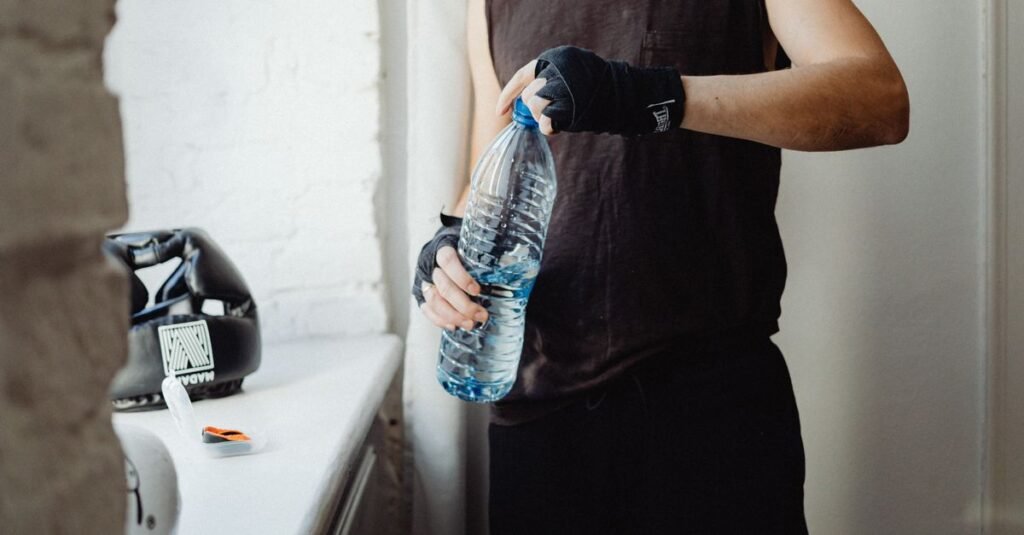
- Everyday hydration, including office work and normal activity.
- Exercise under about an hour at moderate intensity, in normal temperatures.
- A hot day when you’re not exercising hard. Water plus your normal meals and snacks replace what you lose.
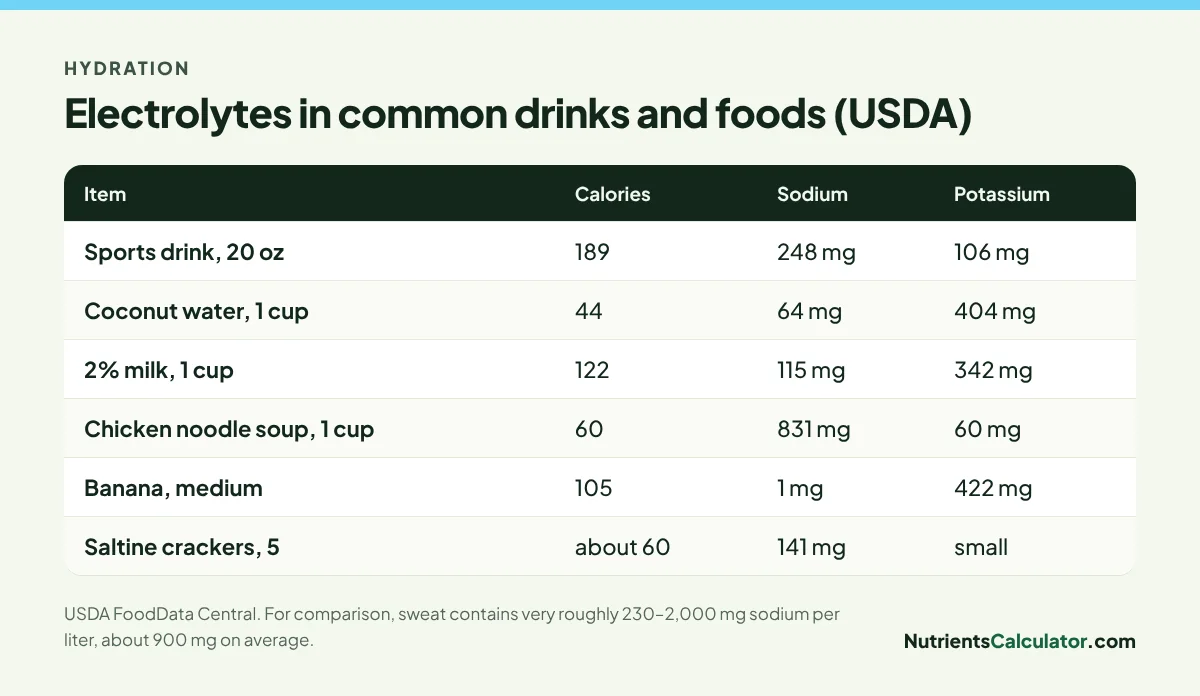
In these cases, sports drinks mostly add sugar and calories: a 20 oz bottle of a typical sports drink has about 189 calories and 36 g of sugar, according to USDA data.
When electrolyte drinks help

1. Long or intense exercise
During continuous exercise lasting more than about an hour, especially in heat, you lose meaningful sodium in sweat. Sweat sodium varies hugely between people: very roughly 230 to over 2,000 mg per liter, averaging around 900 (Baker, 2017). If you finish workouts with salty, white streaks on your clothes, you’re probably a “salty sweater”. Sports drinks also supply carbohydrate, which fuels longer sessions.
2. Very heavy sweating
Outdoor workers in the heat, hot yoga, long hikes and summer sports can cause sweat losses of more than a liter an hour. Replacing salt as well as water helps you retain the fluid you drink.
3. Vomiting or diarrhea
Illness can drain fluid and salts quickly. Oral rehydration solutions (sold in pharmacies) have a specific balance of sodium and glucose that helps the gut absorb water. They’re the best choice here, better than sports drinks, which usually have less sodium and more sugar. Babies, young children and older adults can become dehydrated quickly, so seek medical advice early (Mayo Clinic).
4. Endurance events
For marathons, triathlons and long cycling events, a planned mix of fluid, sodium and carbohydrate matters. Ask a sports dietitian or follow your event’s guidance.
Why too much plain water can be risky
During long events, some people drink far more than they sweat. That dilutes the sodium in their blood, a condition called hyponatremia, which can cause nausea, confusion and, rarely, seizures. A study of Boston Marathon runners found 13% had low blood sodium at the finish, and the biggest risk factor was gaining weight during the race from drinking too much (Almond et al., 2005). The fix is to drink to thirst and include sodium in long events, not to avoid fluids.
Electrolyte options compared
| Option | Best for | Watch out for |
|---|---|---|
| Sports drink | Exercise over 60 minutes | Sugar and calories if you’re not exercising |
| Electrolyte tablets or powders | Long sweaty sessions without extra sugar | Check sodium per serving; some are mostly potassium |
| Oral rehydration solution | Vomiting, diarrhea | Not designed for daily use |
| Coconut water | Light activity, potassium | Low sodium (about 64 mg per cup) |
| Milk | Recovery after exercise | Calories if you’re watching intake |
| Water plus a salty snack | Most moderate situations | Nothing, it’s simple and cheap |
Food does most of the work
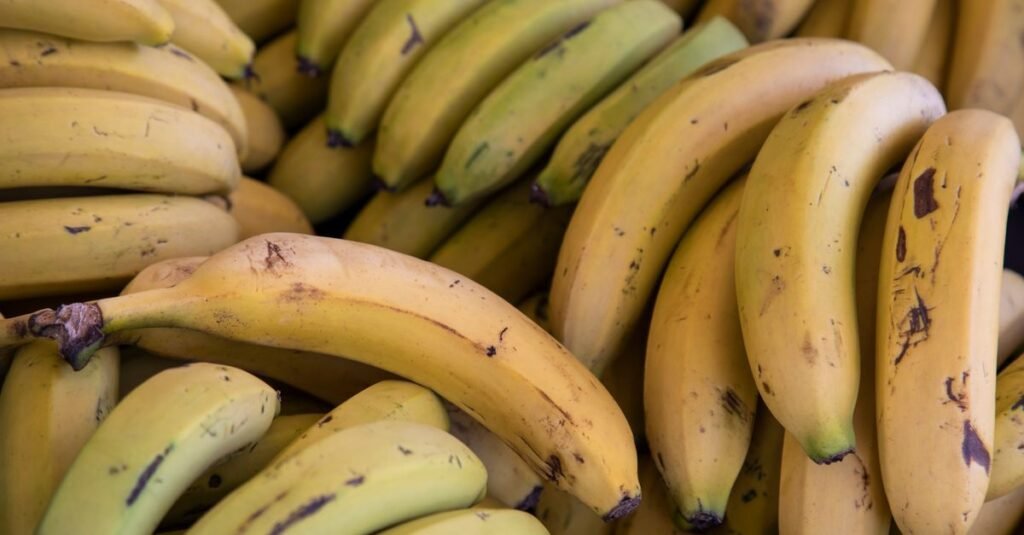
After a workout, a normal meal replaces electrolytes well. A cup of chicken noodle soup has about 830 mg of sodium; a medium banana about 422 mg of potassium; a cup of boiled potatoes about 510 mg of potassium; a glass of milk both. Water-rich foods help with fluid too (water-rich foods).
A simple rule of thumb
- Under an hour, normal conditions: water.
- Over an hour, or very hot and sweaty: a sports drink or water with an electrolyte tablet, plus a salty snack afterward.
- Sick with vomiting or diarrhea: oral rehydration solution, and medical advice for vulnerable people.
- Every day: water, plus a diet with plenty of fruit and vegetables for potassium.
Not sure if you’re drinking enough? Our pillar guide on how much water to drink a day has the reference amounts, and our tracker keeps count for you.
The bottom line
Do you need electrolyte drinks? Usually not. Water and food cover everyday needs and most workouts. Electrolyte drinks earn their place during long or very sweaty exercise, endurance events and illness with vomiting or diarrhea (where oral rehydration solutions are best). Focus on sodium during long sweaty sessions, potassium from food every day, and drink to thirst. For warning signs to watch, see signs of dehydration.
Frequently asked questions
Do I need electrolyte drinks every day?
Most people don't. A normal diet supplies plenty of sodium and potassium, and water is enough for everyday hydration. Electrolyte drinks help in specific situations like long, sweaty exercise or illness with vomiting or diarrhea.
When should I drink a sports drink instead of water?
During continuous exercise lasting more than about an hour, especially in heat, or when you sweat heavily. For shorter workouts, water is usually enough.
Is coconut water good for hydration?
It's a good source of potassium (about 404 mg per cup) and low in calories, but it's low in sodium (about 64 mg), the main electrolyte lost in sweat. It's fine for light activity, less suited to long, salty sweat sessions.
What's the best drink for vomiting or diarrhea?
An oral rehydration solution from a pharmacy is designed for this: it has the right balance of sodium and glucose to replace losses. Sports drinks have less sodium and more sugar. Seek medical advice for babies, older adults or if symptoms last.
Sources
- Baker LB. Sweating rate and sweat sodium concentration in athletes. Sports Medicine, 2017
- Almond CSD et al. Hyponatremia among runners in the Boston Marathon. NEJM, 2005
- National Academies: Dietary Reference Intakes for Sodium and Potassium (2019)
- Mayo Clinic: Dehydration — symptoms and causes
- USDA FoodData Central
This article is for general information and isn’t medical advice. Talk to your doctor or a registered dietitian about your own needs, especially if you have a health condition, are pregnant or take medication.